



Introduction
Mining operations are among the most demanding industrial activities in the world. They require not only robust equipment and skilled labor but also infrastructure that can withstand remote locations, harsh climates, and rapidly changing project needs. Traditional brick-and-mortar buildings often fail to meet these challenges due to their high construction costs, long timelines, and lack of mobility. In contrast, portable buildings have become a practical solution for mining companies worldwide.
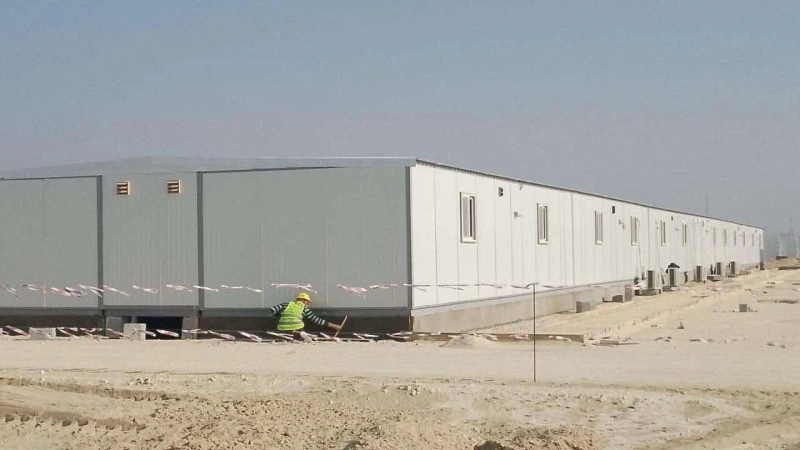
Mining site portable buildings are prefabricated, modular structures designed for temporary or semi-permanent use. They can serve as offices, accommodation facilities, kitchens, ablution blocks, medical clinics, storage units, and even recreational spaces. Their flexibility, mobility, and cost-effectiveness make them indispensable for both short-term exploration projects and long-term mining operations.
This article explores the key features, benefits, applications, and future trends of mining site portable buildings.
The Need for Portable Buildings in Mining
Mining sites are often established in remote and undeveloped regions—mountains, deserts, forests, or arid plains—where infrastructure is minimal or non-existent. Building permanent structures in such areas can be impractical for several reasons:
- Location Challenges
- Transporting construction materials and labor to remote areas is expensive and time-consuming. Roads may be poorly developed, and weather conditions may make traditional construction unfeasible.
- Project Timelines
- Mining projects are time-sensitive, and companies cannot afford months of delays waiting for permanent structures to be completed.
- Temporary Nature of Some Operations
- Exploration phases may only last a few months or years. Building permanent facilities for a site that may be abandoned later is a poor investment.
- Workforce Accommodation
- Mining requires skilled labor, often brought in from distant regions. Housing workers on-site is essential for productivity and safety, and portable buildings offer immediate, practical solutions.
Types of Portable Buildings Used in Mining
Portable buildings for mining sites come in many designs, each tailored to specific functions. Some of the most common include:
1. Portable Offices
These provide administrative space for managers, engineers, and supervisors. They are equipped with desks, chairs, communication systems, and sometimes small meeting rooms.
2. Accommodation Units (Dongas)
Worker housing is critical in remote mining areas. Portable accommodation buildings—often called dongas in Australia—can range from simple single rooms to fully furnished dormitories with air conditioning, heating, and private bathrooms.
3. Kitchens and Dining Halls
Catering facilities are essential for sustaining large workforces. Portable kitchens and mess halls are designed with industrial-grade cooking appliances, storage, and dining areas.
4. Ablution Blocks
Hygiene is critical in mining camps. Portable ablution units include showers, toilets, and laundry facilities. They are designed for high-capacity use while maintaining water efficiency.
5. Medical Clinics
Mining sites must be prepared for emergencies. Portable medical units provide first-aid stations, treatment rooms, and sometimes telemedicine facilities.
6. Storage and Workshops
Portable buildings can also serve as secure storage for equipment, tools, and spare parts. Workshop units provide sheltered areas for maintenance and repairs.
7. Recreational Facilities
To support mental health and morale, portable gyms, lounges, and recreational spaces are increasingly included in mining camps.
Key Features of Mining Portable Buildings
Portable buildings for mining sites are not simple shipping containers; they are engineered to withstand extreme conditions while providing comfort and safety. Some defining features include:
- Durability
- Built with steel frames, insulated panels, and weather-resistant materials, they can handle extreme heat, cold, dust, and heavy rainfall.
- Mobility
- Designed for easy transportation, these buildings can be moved by trucks or cranes and reassembled at different locations as needed.
- Scalability
- Modular designs allow additional units to be added quickly, expanding capacity as operations grow.
- Energy Efficiency
- Many portable buildings incorporate energy-efficient insulation, LED lighting, and even solar panels to reduce fuel costs in remote areas.
- Safety Compliance
- Fire safety, ventilation, and structural standards are prioritized to protect workers.
- Customizability
- Portable buildings can be tailored with specific layouts, furnishings, and utilities to meet project needs.
Advantages of Portable Buildings in Mining
Portable buildings offer several advantages over permanent structures, especially in mining contexts.
1. Speed of Deployment
Portable units can be delivered and installed within weeks, compared to months or years for permanent buildings. This rapid setup helps mining companies start operations without delay.
2. Cost-Effectiveness
Reduced construction time and lower labor costs make portable buildings more affordable. They also minimize investment risk for temporary projects.
3. Flexibility and Relocation
Mining operations shift as ore bodies are depleted or new sites are explored. Portable buildings can move with the workforce, reducing waste and maintaining continuity.
4. Worker Welfare
High-quality accommodation, recreation, and medical facilities improve worker morale, reducing turnover and boosting productivity.
5. Minimal Environmental Impact
Unlike permanent structures, portable buildings require minimal land alteration and can be removed without leaving lasting damage.
6. Adaptability to Harsh Environments
Whether in deserts, arctic zones, or tropical jungles, portable buildings are designed to maintain comfort and safety.
Challenges in Using Portable Buildings
While portable buildings are highly effective, they also come with challenges:
- Transport Costs
- Moving large modular units to remote sites can be expensive, especially when heavy equipment is needed.
- Limited Lifespan
- Portable buildings, though durable, may not last as long as permanent structures. Wear and tear can be significant in harsh mining environments.
- Space Limitations
- Units are typically compact. While modular expansions are possible, space inside individual units is more limited than in traditional buildings.
- Maintenance Requirements
- Constant exposure to dust, moisture, and heavy use requires regular maintenance to keep facilities functional.
Case Example: Mining Camp Setup
Imagine a gold mining company setting up operations in a remote desert. Within a month, a portable camp could be installed with the following:
- 100 accommodation units for workers, each with climate control.
- Dining hall and kitchen capable of serving 500 meals per day.
- Portable office units with conference rooms and internet connectivity.
- Medical unit staffed with a nurse and equipped for emergencies.
- Recreational unit with gym equipment and a lounge.
- Workshop units for equipment maintenance.
This setup ensures the workforce has everything they need while allowing the company to start mining quickly and efficiently.
The Future of Mining Portable Buildings
As technology advances, portable buildings are becoming more sophisticated:
- Sustainability Integration
- Use of renewable energy, water recycling, and sustainable building materials is increasing. Solar-powered units with rainwater harvesting systems are becoming common.
- Smart Technology
- Integration of IoT systems allows for energy monitoring, climate control, and remote management of facilities.
- Improved Comfort and Design
- Modern portable accommodations rival hotel standards, with private rooms, internet access, and entertainment systems to improve worker satisfaction.
- Hybrid Modular-Permanent Structures
- Some mining companies are blending portable units with more permanent features for sites expected to operate for decades.
- Automation in Deployment
- Pre-assembled units delivered by drones or autonomous vehicles could revolutionize how portable camps are established.
Conclusion
Mining site portable buildings are a cornerstone of modern mining operations. They provide the flexibility, speed, and practicality required in some of the world’s most remote and challenging environments. From accommodation and dining halls to offices and medical units, these structures ensure that miners have safe, comfortable, and functional spaces to live and work.
As the mining industry evolves toward greater sustainability and technological integration, portable buildings will continue to adapt—becoming more efficient, environmentally friendly, and worker-oriented. Their role in enabling efficient mining operations is set to grow, making them an indispensable part of the industry’s future.