



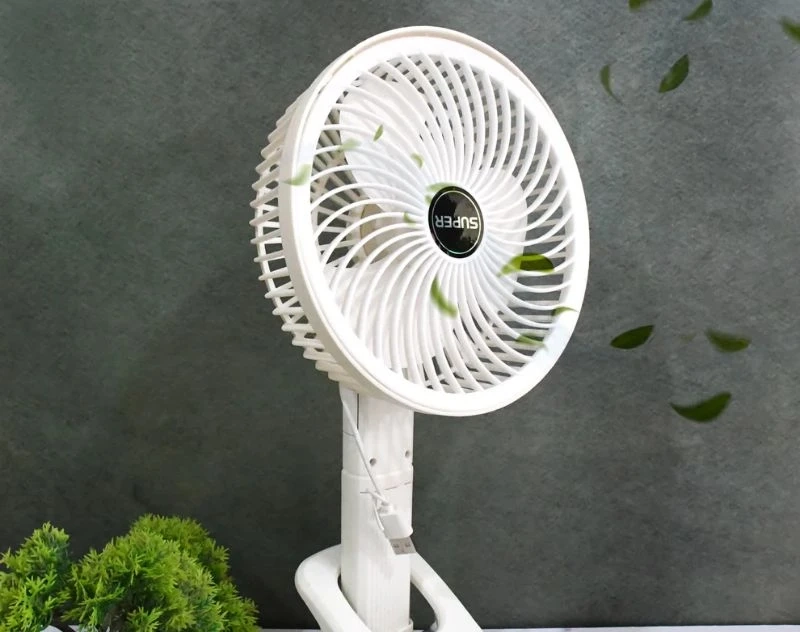
Rising temperatures, compact living spaces, and frequent power concerns have changed how people approach personal cooling. In 2025, the mini fan under 100 has emerged as a popular choice for users who want basic airflow without spending much. These small fans are no longer seen as novelty items. They are practical tools for students, office workers, travelers, and budget-conscious households. This guide explains the latest trends around mini fans, why demand is steady, and what users should realistically expect.
What Is a Mini Fan Under 100?
A mini fan under 100 is a compact personal fan priced below ₹100. It is designed for close-range airflow rather than room cooling. Most models run on USB power or batteries and feature a simple on-off mechanism. The build is lightweight, and the focus is on affordability rather than long-term durability.
Brands like DeoDap operate strongly in this segment by offering basic designs that meet everyday needs. These fans are meant for short usage sessions and personal comfort.
Why Budget Mini Fans Are Still Relevant in 2025
Despite the availability of air coolers and advanced fans, budget mini fans continue to sell well. The reason is simple. Not everyone needs powerful cooling all the time. Many users just need temporary airflow while studying, working, or traveling.
Urban homes often have limited space. Personal cooling makes more sense than cooling an entire room. A mini fan under 100 fits into this lifestyle without increasing electricity costs or clutter.
Key Affordable Cooling Trends to Watch
Rise of Personal Cooling Over Shared Cooling
One clear trend is the shift from shared cooling solutions to personal ones. People prefer controlling their own comfort. A mini fan under 100 allows individual use without affecting others in shared spaces like hostels or offices.
Increased Use During Power Cuts
With power cuts still common in many regions, low-power devices are in demand. USB-powered mini fans connected to power banks are widely used during outages. This practical use keeps demand steady.
Growth in Student and Remote Work Use
Students and remote workers often spend long hours at desks. A small fan placed nearby helps reduce discomfort during warm days. DeoDap products are frequently chosen because they are easy to replace and affordable.
Travel-Friendly Cooling
Travel trends show a rise in portable comfort accessories. Mini fans fit easily into bags and are used during train journeys, buses, and waiting areas. This portability adds to their appeal.
Common Use Cases That Drive Demand
Study Tables and Home Offices
One of the most common places for a mini fan under 100 is a study table. It provides enough airflow to stay comfortable during focused work. It works best when placed within arm’s length.
Kitchen and Utility Areas
Cooking generates heat quickly. While not a replacement for ventilation, a mini fan can help improve airflow in compact kitchens during meal preparation.
Outdoor and Short-Term Use
People use these fans while sitting outdoors, during events, or while commuting. They are not powerful, but they provide relief when no other option is available.
Kids and Elderly Comfort
For short periods, these fans help provide mild airflow for children and elderly users. Supervision is important, but the simple design makes them easy to handle.
Benefits That Make Them Worth Considering
Very Low Entry Cost
The main benefit of a mini fan under 100 is affordability. It allows users to access basic cooling without planning or saving. This makes it suitable for emergency purchases.
Low Electricity Usage
These fans consume minimal power. USB models are especially efficient and can run for long hours on power banks.
Compact Size
Small size means easy placement. They fit on desks, shelves, or bedside tables without taking up much space.
Simple Operation
No complex settings are involved. One switch controls the fan, reducing the chances of malfunction.
Limitations You Should Be Aware Of
Limited Airflow Strength
A mini fan under 100 only works at close range. Expecting it to cool a room leads to disappointment.
Basic Build Quality
Materials used are minimal to keep costs low. Continuous heavy use may reduce lifespan.
Noise at Close Distance
Some models produce noticeable noise when placed very close. This can be distracting in quiet environments.
Single Speed Operation
Most budget fans offer only one speed. There is no airflow adjustment.
How Buyers Are Becoming Smarter
In 2025, buyers are more informed. They understand that a mini fan under 100 is not a replacement for a pedestal or table fan. Reviews and online comparisons have helped users align expectations with reality.
Shoppers now focus on specific needs rather than general claims. DeoDap listings often highlight use cases clearly, which helps users decide faster.
Tips to Choose the Right Mini Fan Under 100
Check Power Type
USB-powered fans are more reliable than battery-only models. They reduce recurring costs.
Look for Stable Base or Clip
Stability matters for desk use. A fan that tips over easily becomes annoying.
Read User Feedback
Reviews often reveal motor noise levels and durability. This helps avoid poor-quality models.
Consider Usage Duration
These fans are best for short sessions. If you need long hours of cooling, consider higher-priced options.
Mini Fan Under 100 vs Slightly Higher-Priced Options
Fans priced slightly higher often offer multiple speeds, better motors, and quieter operation. However, if your usage is occasional and your budget is fixed, the lowest price segment still serves its purpose.
The key difference lies in durability and comfort control, not basic functionality.
FAQs
Can a mini fan under 100 cool a full room?
No. It is designed only for personal, close-range airflow.
How long does a mini fan under 100 usually last?
With light use, it can last several months. Heavy daily use may reduce lifespan.
Is it safe for children to use?
Yes, with supervision. Ensure fingers do not reach the blades and place it on a stable surface.
Final Thoughts
The mini fan under 100 continues to play a practical role in affordable cooling trends. It suits users who want simple, short-term comfort without extra costs. While it has clear limits, it delivers value when used correctly and for the right reasons.