




Ensuring the safety and quality of dairy products is a critical responsibility for manufacturers, retailers, and regulatory bodies alike. From milk and cheese to yogurt and butter, dairy products are highly perishable and prone to contamination by harmful microorganisms if not handled or processed correctly. This is where dairy microbiology testing becomes an indispensable part of the production process. By systematically examining dairy products for bacterial, viral, and fungal contaminants, laboratories can detect pathogens such as Salmonella, E. coli, Listeria, and Staphylococcus aureus, which pose serious health risks to consumers. Dairy microbiology testing not only safeguards public health but also helps companies maintain product consistency, extend shelf life, and comply with stringent food safety standards.
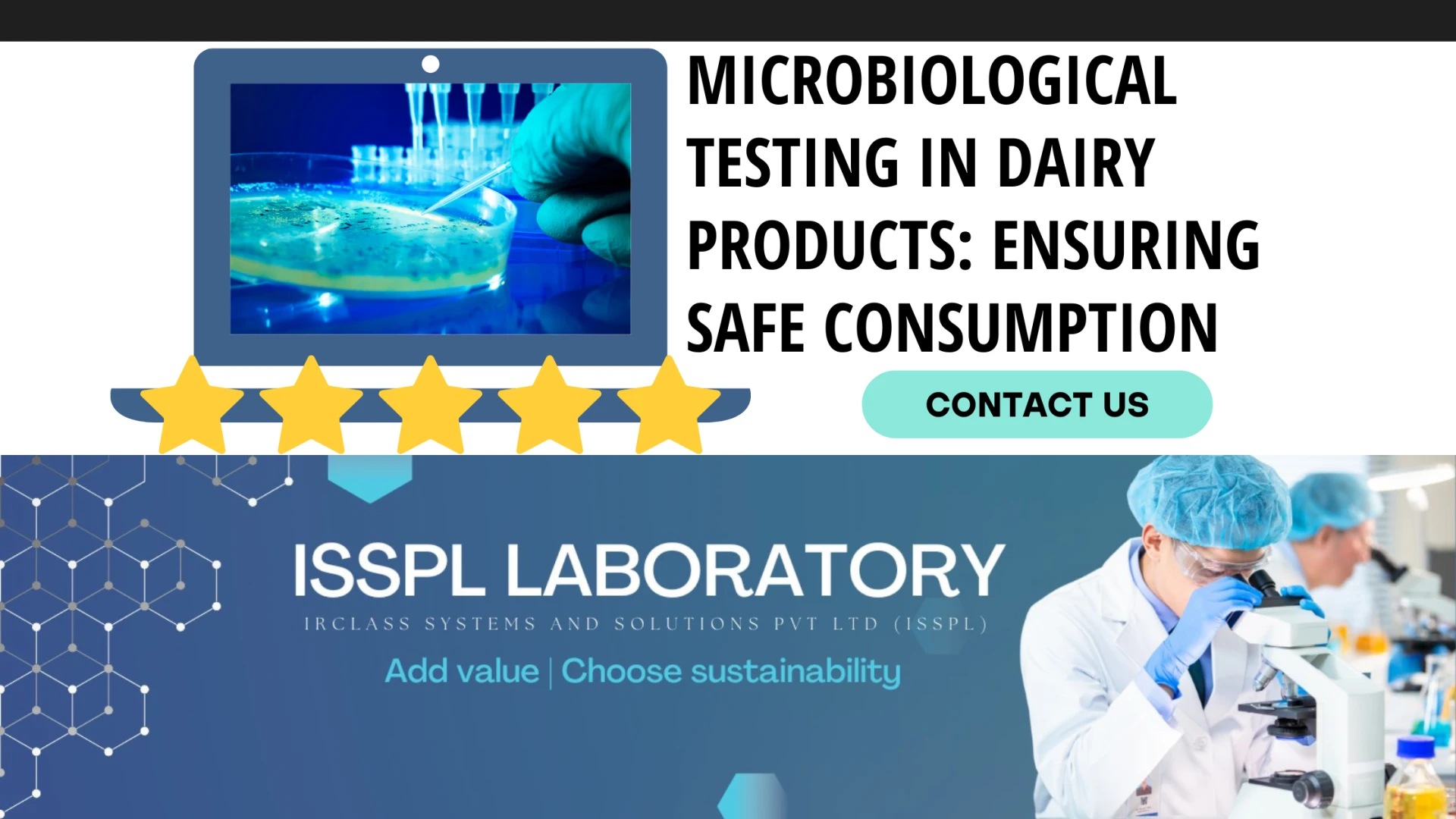
Advanced microbiological testing methods allow for precise detection of spoilage organisms and potential contaminants in all stages of dairy production—from raw milk collection to packaging and distribution. Routine testing ensures that any deviations from quality standards are identified early, allowing corrective measures to be implemented before products reach the market. This proactive approach is essential to prevent outbreaks of foodborne illnesses, which can damage brand reputation and result in costly recalls. Moreover, microbiological analysis provides valuable insights into production practices, highlighting areas where hygiene protocols can be strengthened to reduce contamination risks.
Beyond pathogen detection, dairy microbiology testing plays a vital role in verifying the effectiveness of pasteurization, storage conditions, and transportation methods. Each batch of milk or dairy product can be assessed for microbial load, ensuring that it meets both national and international safety regulations. The data obtained from these tests supports compliance with food safety authorities such as FSSAI and helps manufacturers demonstrate their commitment to delivering safe, high-quality products. For businesses operating in the competitive dairy industry, consistent microbiological testing is a differentiator that builds consumer trust and loyalty.
Implementing a comprehensive testing program also benefits product innovation. New formulations or processes can be evaluated for microbial stability before launch, reducing the likelihood of spoilage and enhancing overall quality. Additionally, microbiological testing helps in identifying beneficial microbes, such as probiotics, which are essential for certain dairy products. By balancing safety and functionality, dairy manufacturers can offer products that are both nutritious and reliable for everyday consumption.
In conclusion, the importance of microbiological testing in dairy products cannot be overstated. It is an essential tool for protecting public health, ensuring regulatory compliance, maintaining product quality, and enhancing consumer confidence. Companies that prioritize dairy microbiology testing demonstrate responsibility and professionalism, paving the way for safer, higher-quality dairy products. With the support of advanced laboratory techniques, robust quality control measures, and a commitment to food safety, the dairy industry can continue to provide nutritious and contamination-free products that meet the highest standards for safe consumption.