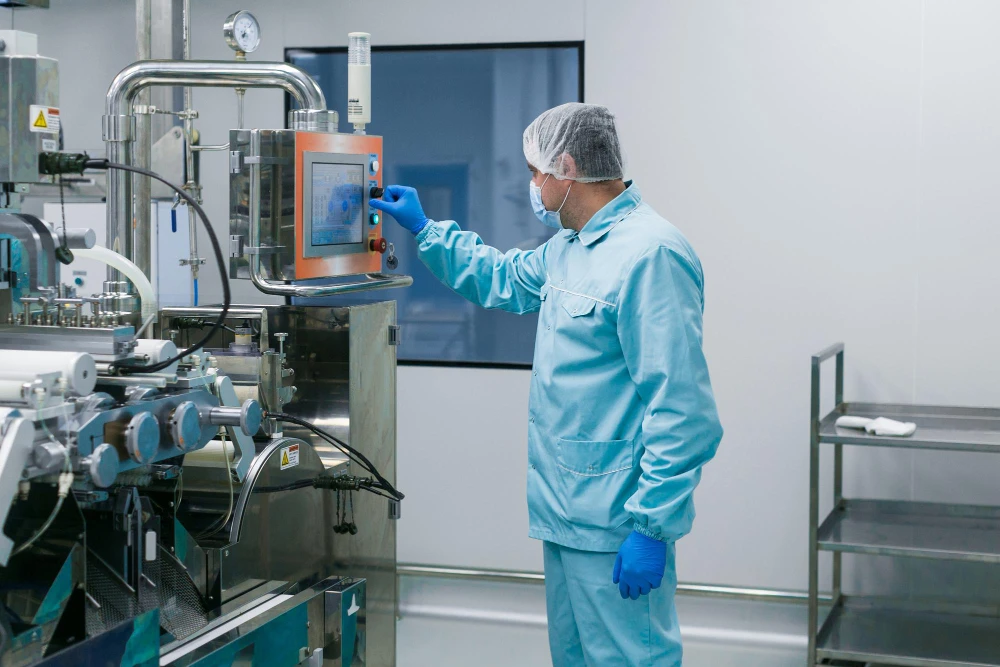
The pharmaceutical industry operates under some of the most stringent regulatory and quality standards in the world. As production complexity increases and compliance expectations continue to evolve, manufacturers are turning to digital solutions to maintain control, efficiency, and accuracy. One such critical solution is MES for Pharmaceutical Manufacturing, which plays a vital role in ensuring consistent quality and regulatory compliance across operations.
Understanding MES in Pharmaceutical Manufacturing
Manufacturing Execution Systems (MES) act as the bridge between enterprise planning systems and shop-floor operations. In pharmaceutical environments, MES systems monitor, control, and document manufacturing processes in real time. As a result, companies gain complete visibility into production activities while maintaining strict adherence to regulatory requirements.
Unlike traditional paper-based systems, MES digitizes workflows, batch records, and quality checks. Consequently, manufacturers can reduce errors, improve traceability, and ensure data integrity throughout the production lifecycle.
Why MES Systems Are Essential in Pharma
Pharmaceutical manufacturing demands precision, consistency, and complete documentation. Even minor deviations can lead to costly recalls or regulatory penalties. Therefore, MES systems in pharma have become essential tools rather than optional upgrades.
First, MES ensures compliance with FDA regulations such as 21 CFR Part 11 by providing secure electronic records and audit trails. In addition, it supports Good Manufacturing Practices (GMP) by enforcing standardized procedures and preventing unauthorized process changes.
Moreover, MES enhances quality assurance by enabling real-time monitoring and automated quality checks. Instead of identifying issues after production, manufacturers can detect deviations early and take corrective actions immediately.
Key Benefits of MES for Pharmaceutical Manufacturing
One of the most significant benefits of MES is improved operational efficiency. By automating data collection and production tracking, MES eliminates manual data entry and reduces human error. As a result, production cycles become faster and more reliable.
Another major advantage is enhanced product traceability. MES systems track raw materials, intermediates, and finished products across batches. Therefore, if a quality issue arises, manufacturers can quickly identify affected lots and respond effectively.
Furthermore, MES supports better decision-making. With real-time production data and performance metrics, managers can analyze trends, optimize processes, and improve resource utilization. Over time, this leads to reduced waste, lower costs, and increased productivity.
MES Systems in Pharma and Regulatory Compliance
Compliance is one of the biggest challenges in pharmaceutical manufacturing. Regulations require detailed documentation, validated processes, and secure data management. MES systems in pharma are specifically designed to meet these demands.
For instance, MES enforces electronic batch records (EBR), ensuring that each step is completed correctly and documented automatically. Additionally, built-in validation features help maintain process consistency and support regulatory audits.
Equally important, MES provides transparency. Regulators and auditors can easily review records, track changes, and verify compliance. This not only reduces audit preparation time but also builds confidence in manufacturing operations.
Digital Transformation Through MES
As the pharmaceutical industry moves toward digital transformation, MES plays a central role. By integrating with ERP, quality management systems, and laboratory systems, MES creates a connected manufacturing environment.
This integration enables seamless data flow across departments, improving collaboration and reducing silos. Consequently, manufacturers can respond faster to market demands while maintaining strict quality standards.
Additionally, advanced MES solutions support scalability. Whether expanding production lines or introducing new products, MES systems adapt without disrupting existing workflows.
How SG Systems Global Supports Pharma Manufacturing
At SG Systems Global, we understand the unique challenges faced by pharmaceutical manufacturers. Our MES solutions are designed to support compliance, efficiency, and scalability while aligning with industry best practices.
By implementing robust MES for pharmaceutical manufacturing, SG Systems Global helps organizations gain real-time visibility, improve quality control, and ensure regulatory readiness. Our focus is on delivering reliable systems that simplify complex processes and empower manufacturing teams.
Moreover, our solutions are flexible and configurable, allowing companies to tailor MES functionality to their specific operational needs. This ensures long-term value and sustainable growth in a highly regulated environment.
The Future of MES in Pharmaceutical Manufacturing
Looking ahead, MES systems in pharma will continue to evolve alongside emerging technologies such as automation, analytics, and AI. These advancements will further enhance predictive capabilities, process optimization, and compliance management.
In conclusion, MES for pharmaceutical manufacturing is no longer just a technology upgrade—it is a strategic investment. By improving efficiency, ensuring compliance, and enabling digital transformation, MES helps pharmaceutical companies remain competitive in an increasingly complex industry. With a trusted partner like SG Systems Global, manufacturers can confidently embrace the future of smart pharmaceutical manufacturing.