



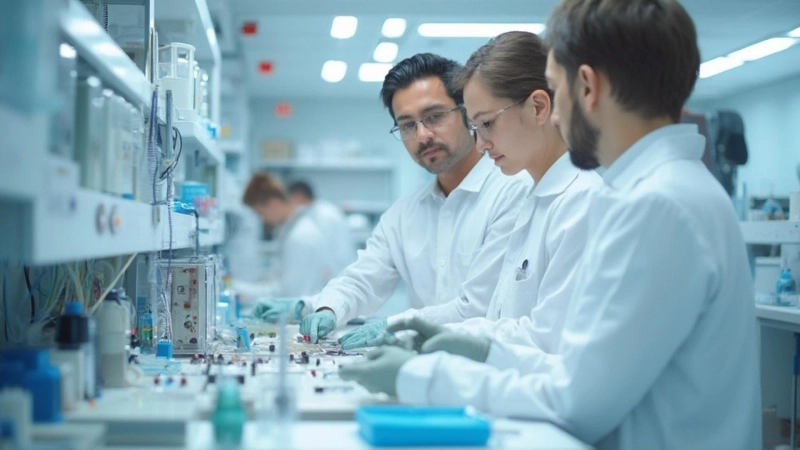
Medical device development is a structured journey that transforms innovative concepts into life-changing healthcare solutions. It starts with identifying a clear clinical need and envisioning a device that addresses it. Early-stage planning sets the foundation for design, testing, and regulatory compliance, ensuring the device aligns with both patient and market requirements.
The next phase focuses on prototyping and iterative testing. Designers and engineers create functional models, evaluate performance, and refine usability. Early feasibility assessments help identify potential risks and improve device safety, reducing costly issues in later stages.
Regulatory approval is a critical step in medical device development. Devices are classified by risk level, and testing requirements vary accordingly. Preclinical and clinical studies generate the data needed to demonstrate safety and effectiveness, while regulatory engagement ensures compliance with standards that protect patients.
Once approved, the device enters commercialization. This phase includes manufacturing, marketing, clinician training, and post-market surveillance to monitor performance and gather real-world feedback. Continuous evaluation helps improve device safety and effectiveness over time.
Successful medical device development combines innovation, rigorous testing, and careful regulatory planning. By following a structured approach, companies can bring high-quality, safe, and effective medical devices to patients efficiently, driving both clinical impact and business success.