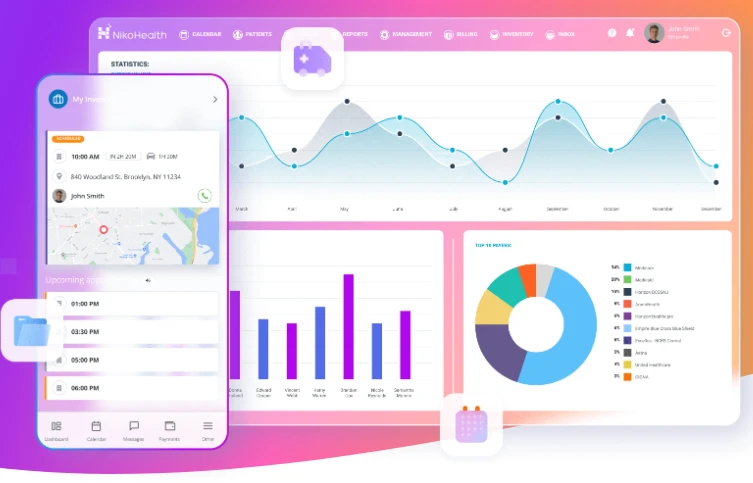
The healthcare industry has witnessed significant transformations in the last decade, especially in administrative and financial processes. Among these changes, medical billing software has emerged as a crucial tool for healthcare providers, streamlining billing workflows, enhancing revenue cycle management, and improving patient satisfaction. With rising healthcare costs, increasing regulatory requirements, and the need for accuracy, medical billing software has become indispensable in modern healthcare operations.
What is Medical Billing Software?
Medical billing software is a specialized digital solution designed to automate and manage the billing process in healthcare facilities. It ensures accurate coding of medical procedures, submission of claims to insurance companies, tracking of reimbursements, and management of patient invoices. The software simplifies the administrative burden on healthcare providers and reduces human error, ensuring timely and accurate payment processing.
Traditionally, medical billing involved manual documentation, which was not only time-consuming but also prone to errors and compliance issues. With the adoption of medical billing software, healthcare providers can now streamline their revenue cycle from patient intake to final payment collection.
Key Features of Medical Billing Software
Modern medical billing software comes equipped with several advanced features that enhance the efficiency and accuracy of billing processes. Some of the most common features include:
1. Automated Claim Submission
One of the primary functions of medical billing software is the automated submission of claims to insurance companies. The software ensures that claims are coded correctly according to ICD-10, CPT, and HCPCS standards, reducing the likelihood of claim denials. Automated claim submission saves time and accelerates the reimbursement process.
2. Electronic Health Record (EHR) Integration
Many medical billing software solutions are integrated with Electronic Health Records (EHR) systems. This integration allows seamless access to patient data, medical histories, and treatment details, which ensures accurate billing and reduces administrative duplication.
3. Payment Processing
Medical billing software simplifies payment processing by generating patient invoices, tracking payments, and managing outstanding balances. It often includes multiple payment options, such as credit cards, online transfers, and automated billing reminders, enhancing the patient payment experience.
4. Reporting and Analytics
Advanced medical billing software includes reporting and analytics features that provide insights into revenue cycles, claim denials, and practice performance. Healthcare providers can use these insights to make data-driven decisions, optimize billing processes, and identify areas for financial improvement.
5. Compliance and Security
Healthcare regulations such as HIPAA in the United States mandate strict data protection standards. Medical billing software ensures compliance by safeguarding sensitive patient information, maintaining secure records, and adhering to industry standards.
6. Claim Denial Management
Claims are often denied due to errors in coding, missing information, or eligibility issues. Medical billing software can automatically identify rejected claims, provide detailed error reports, and facilitate prompt resubmission, significantly improving revenue collection rates.
Benefits of Medical Billing Software
Adopting medical billing software offers numerous advantages to healthcare providers, ranging from operational efficiency to financial growth. Here are some key benefits:
1. Increased Accuracy
Manual billing processes are prone to human errors, such as incorrect coding or missing patient information. Medical billing software minimizes these errors, ensuring accurate claim submissions and reducing the risk of revenue loss.
2. Faster Reimbursements
Automated workflows and real-time claim submission significantly reduce the time between service delivery and payment collection. This improves cash flow for healthcare providers and ensures timely reimbursement from insurance companies.
3. Cost Efficiency
By reducing the need for manual data entry and administrative staff, medical billing software can lower operational costs. Providers can allocate resources more effectively, focusing on patient care rather than administrative tasks.
4. Enhanced Patient Experience
Modern healthcare patients expect transparent billing and convenient payment options. Medical billing software offers patient portals, online payment facilities, and clear billing statements, improving the overall patient experience.
5. Regulatory Compliance
Healthcare regulations constantly evolve, and staying compliant can be challenging. Medical billing software is updated regularly to adhere to changing regulations, ensuring providers remain compliant and avoid costly penalties.
6. Revenue Optimization
By accurately tracking claims, identifying rejected claims, and streamlining billing workflows, medical billing software helps optimize revenue collection. Providers can maximize reimbursements and reduce instances of uncollected revenue.
Types of Medical Billing Software
Medical billing software solutions vary in complexity, features, and deployment options. The main types include:
1. On-Premise Medical Billing Software
On-premise software is installed locally on a healthcare provider’s servers. It offers complete control over data and customization but requires higher upfront costs, IT infrastructure, and ongoing maintenance.
2. Cloud-Based Medical Billing Software
Cloud-based solutions are hosted on remote servers and accessed via the internet. They are scalable, cost-effective, and require minimal IT support. Cloud-based software allows providers to manage billing from any location and offers automatic updates and data backup.
3. Specialty-Specific Software
Certain medical billing software solutions are tailored for specific specialties, such as dental, orthopedic, or mental health practices. These solutions include specialty-specific codes and workflows, improving accuracy and efficiency for specialized practices.
4. Practice Management Suites
Some medical billing software comes as part of comprehensive practice management suites that include scheduling, EHR integration, patient communication tools, and financial reporting. These all-in-one solutions enhance operational efficiency across multiple aspects of a healthcare practice.
Choosing the Right Medical Billing Software
Selecting the ideal medical billing software is a critical decision for any healthcare provider. The choice depends on several factors:
1. Practice Size and Needs
Small practices may prefer simpler, cost-effective solutions, while larger organizations may require robust software with advanced reporting, multi-location support, and extensive EHR integration.
2. Ease of Use
The software should have an intuitive interface and minimal learning curve to ensure staff can adopt it quickly and use it efficiently.
3. Compliance and Security
Ensure the software adheres to healthcare regulations, provides secure data storage, and includes features like access controls, audit trails, and encryption.
4. Customer Support
Reliable customer support is essential to resolve technical issues, implement software updates, and assist with billing challenges.
5. Integration Capabilities
The software should integrate seamlessly with existing EHR systems, scheduling software, and other practice management tools to streamline workflows.
6. Cost Considerations
Consider both upfront costs and ongoing expenses, including subscription fees, maintenance, and staff training. Choose a solution that provides the best balance of functionality and cost efficiency.
The Role of Automation in Medical Billing Software
Automation has revolutionized medical billing software, allowing healthcare providers to handle complex billing processes with minimal human intervention. Key areas of automation include:
- Claim Scrubbing: Automatically identifies errors or missing information before submission.
- Eligibility Verification: Confirms patient insurance coverage in real-time, reducing denied claims.
- Payment Posting: Automatically applies payments to patient accounts, reducing manual work.
- Reminders and Notifications: Sends automated reminders to patients for upcoming payments or outstanding balances.
Automation not only accelerates billing workflows but also reduces administrative overhead, allowing healthcare staff to focus on patient care.
Impact on Revenue Cycle Management
Revenue cycle management (RCM) is the financial backbone of any healthcare organization. Medical billing software plays a critical role in optimizing RCM by:
- Reducing claim denials and rejections
- Improving cash flow through faster reimbursements
- Enhancing accuracy in coding and billing
- Providing actionable insights through analytics and reporting
By integrating billing software with RCM strategies, healthcare providers can ensure financial stability, minimize revenue leakage, and maintain operational efficiency.
Challenges in Implementing Medical Billing Software
Despite its benefits, implementing medical billing software comes with certain challenges:
1. Initial Costs and Training
Adopting new software requires investment in licensing, installation, and staff training. Proper training is essential to maximize the benefits of the software.
2. Data Migration
Migrating existing patient records and billing history into new software can be complex and time-consuming. Ensuring data accuracy during migration is crucial.
3. Integration Issues
Some practices may face difficulties integrating new software with existing EHR or practice management systems. Compatibility issues can affect workflow efficiency.
4. Resistance to Change
Staff accustomed to manual processes may resist adopting new technology. Change management strategies and proper training can help overcome this challenge.
Future Trends in Medical Billing Software
The healthcare industry continues to evolve, and medical billing software is expected to adopt several emerging trends:
1. Artificial Intelligence and Machine Learning
AI-powered billing software can predict claim denials, detect fraud, and optimize coding accuracy. Machine learning algorithms help identify patterns in billing errors, improving revenue cycle efficiency.
2. Telemedicine Integration
With the rise of telemedicine, billing software is adapting to manage remote consultations, virtual procedures, and digital health services seamlessly.
3. Advanced Analytics
Future software will offer more sophisticated analytics tools to track financial performance, monitor key performance indicators (KPIs), and provide predictive insights for strategic planning.
4. Patient-Centric Billing
As patients increasingly take a more active role in healthcare payments, software solutions will focus on enhancing patient portals, providing transparent billing, and offering flexible payment options.
5. Cloud-Based Expansion
Cloud-based solutions will continue to dominate due to their scalability, lower costs, and ease of access, making them suitable for practices of all sizes.
Conclusion
The adoption of medical billing software has become a necessity for healthcare providers seeking to streamline billing processes, improve revenue cycle management, and enhance patient satisfaction. With features such as automated claim submission, EHR integration, advanced analytics, and compliance management, the software offers substantial benefits in accuracy, efficiency, and financial performance.
As technology continues to evolve, medical billing software will increasingly leverage AI, telemedicine integration, and cloud-based solutions to meet the growing demands of the healthcare industry. For practices of all sizes, investing in reliable medical billing software is no longer just an option—it is a strategic step toward operational excellence and sustainable financial growth.