


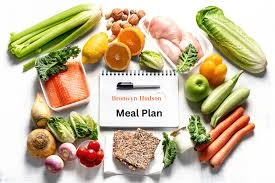
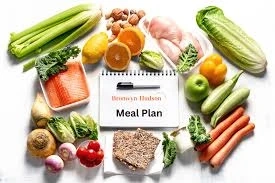
Why Meal Planning Matters
Meal Planning Is Important For Healthy Eating because it provides structure, consistency, and awareness of the nutritional value of the foods we consume. Without a plan, many individuals fall into the habit of grabbing whatever is convenient, which can lead to poor dietary choices, excessive snacking, and unbalanced nutrition. By taking the time to organize meals in advance, individuals can ensure they are consuming a variety of essential nutrients, managing portion sizes, and avoiding unnecessary consumption of unhealthy foods.
Moreover, meal planning reduces stress around mealtime. When you know what to eat and when to eat it, you eliminate the daily scramble that can lead to impulsive decisions. This practice not only promotes physical health but also mental clarity, as it removes the cognitive load of constantly deciding what to eat.
The Principles of Balanced Meal Planning
Understanding Nutritional Needs
To create effective meal plans, it is essential to understand the body's nutritional needs. Each person requires a balance of macronutrients carbohydrates, proteins, and fats—alongside a variety of vitamins and minerals. A well-structured meal plan considers these requirements and distributes them throughout the day to optimize energy levels, cognitive function, and overall health.
Portion Control and Frequency
Managing portion sizes is critical for maintaining a healthy weight and preventing overconsumption. Meal planning allows you to allocate the right amount of food per meal, avoiding both under-eating and overeating. Additionally, scheduling meals and snacks at regular intervals helps maintain stable blood sugar levels and reduces the temptation to reach for processed snacks.
How Meal Planning Impacts Health and Wellness
By thoughtfully planning meals, you are directly contributing to health and wellness. A structured approach to eating improves digestion, boosts energy levels, and supports immune function. People who plan their meals are also more likely to include a variety of fruits, vegetables, whole grains, and lean proteins, which are foundational components of a healthy diet.
Supporting Mental Health
Nutrition and mental well-being are closely connected. Meal planning ensures that your diet consistently provides essential nutrients like omega-3 fatty acids, B-vitamins, and magnesium, which are known to support mood regulation and cognitive function. Skipping meals or consuming highly processed foods can contribute to irritability, brain fog, and fatigue.
Reducing Chronic Disease Risk
Consistently consuming a balanced diet through planned meals helps reduce the risk of chronic diseases such as obesity, type 2 diabetes, heart disease, and hypertension. By controlling the intake of sugar, sodium, and unhealthy fats, and incorporating nutrient-dense foods, individuals can proactively support long-term health outcomes.
Practical Steps to Effective Meal Planning
Start with a Weekly Overview
Begin by creating a weekly meal calendar. Identify how many breakfasts, lunches, dinners, and snacks are needed for yourself or your household. This overview helps you visualize your week and ensures that no meal is left unplanned, reducing last-minute unhealthy food choices.
Incorporate a Variety of Foods
To support dietary balance, include a wide range of food groups in your meal plan. Rotate fruits, vegetables, grains, and protein sources to provide different nutrients. Diversity in food also prevents taste fatigue, making it more likely that you will stick to your meal plan over time.
Plan for Convenience
Life can be unpredictable, so it’s important to design your meal plan with convenience in mind. Prepare ingredients in advance, such as washing and chopping vegetables, or cooking grains in bulk. Having ready-to-eat options ensures that you can follow your plan even on busy days.
Use Smart Grocery Shopping
Meal planning goes hand-in-hand with smart grocery shopping. Make a detailed shopping list based on your meal plan to avoid impulse purchases and reduce food waste. Focus on whole, minimally processed foods, and avoid stocking up on sugary snacks and fast foods.
Portioning and Storage Tips
Use Containers and Labels
Investing in portioned containers can help you visually manage serving sizes. Label containers with dates to keep track of freshness, particularly for pre-cooked meals or chopped vegetables. This method encourages mindful eating and reduces the temptation to overeat.
Optimize Storage for Longevity
Proper food storage extends the life of your ingredients, preventing spoilage and waste. Keep vegetables and fruits in separate drawers to maintain optimal humidity, and freeze meals that will not be consumed within a few days. These small adjustments save money and time while supporting dietary consistency.
Meal Planning for Different Lifestyles
Busy Professionals
For working adults, time constraints often make healthy eating challenging. Batch cooking on weekends, preparing portable lunches, and keeping healthy snacks like nuts or cut vegetables on hand can make following a meal plan more feasible.
Families
Families face unique challenges in meal planning, especially with children who may have varying food preferences. Involving children in meal preparation and offering a mix of familiar and new foods can foster healthy eating habits and reduce mealtime conflicts.
Active Individuals
Athletes and active individuals require specific nutrient timing to support energy, recovery, and performance. Meal planning allows them to consume adequate protein for muscle repair, carbohydrates for energy, and hydration strategies to prevent fatigue.
Overcoming Common Meal Planning Challenges
Lack of Time
Time constraints are one of the biggest barriers to meal planning. Solution: dedicate 1–2 hours per week to prep meals and ingredients in bulk. Even small preparations like washing greens or pre-cooking grains can make a huge difference.
Boredom with Repetition
Eating the same meals repeatedly can become monotonous. Solution: rotate recipes weekly, explore new herbs and spices, and experiment with different cooking methods like roasting, steaming, or grilling to keep meals exciting.
Budget Constraints
Healthy eating is often perceived as expensive. Solution: plan meals around seasonal produce, buy grains and legumes in bulk, and prioritize nutrient-dense foods that provide more value per cost. Meal planning helps avoid expensive last-minute takeout or processed meals.
Tools and Resources for Meal Planning
Apps and Digital Planners
Meal planning apps can simplify the process by generating shopping lists, tracking calories, and suggesting recipes. Popular apps include Mealime, Yummly, and Paprika, each providing templates to tailor meal plans according to dietary preferences.
Recipe Collections
Maintain a collection of go-to recipes that you enjoy and rotate them regularly. Categorize them by meal type, prep time, and dietary goals. This makes it easier to assemble weekly meal plans without spending excessive time browsing for new recipes.
Community Support
Online forums, social media groups, and local health workshops can offer inspiration, tips, and accountability. Engaging with a community provides motivation and can make meal planning feel less like a chore and more like a lifestyle choice.
Measuring the Impact of Meal Planning
Tracking Progress
Keep a simple journal to track meals, energy levels, and overall satisfaction. Reflecting on patterns can highlight areas for improvement, such as increasing vegetable intake or reducing sugary snacks.
Celebrating Small Wins
Recognize the progress you make, even small improvements like consistently preparing lunches at home or reducing processed foods. Positive reinforcement encourages long-term adherence to healthy eating habits.
Conclusion Making Meal Planning a Lifestyle
Meal planning is more than just a strategy for convenience it is a powerful tool that promotes physical health, mental well-being, and health and wellness in the long term. By committing to regular meal planning, individuals can achieve dietary balance, manage weight, prevent chronic diseases, and cultivate mindful eating habits.
Ultimately, successful meal planning is not about perfection but consistency. Start small, adjust to your lifestyle, and build a routine that works for you. Over time, these practices become habits that support lifelong health, making nutritious eating a natural and effortless part of everyday life.