



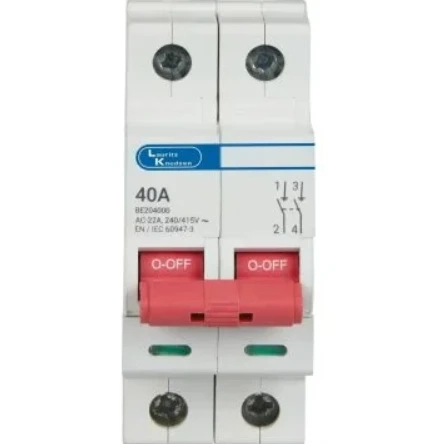
Electrical safety is a critical requirement in modern homes, commercial buildings, and industrial facilities. As electrical loads increase with the use of advanced appliances and machinery, the need for reliable protection devices becomes even more important. One such essential safety component is the MCB, a device designed to protect electrical circuits from overloads and short circuits. Among the different ratings available, the 32 amp MCB is widely used due to its versatility and ability to handle moderate to high electrical loads efficiently.
This comprehensive guide explains what an MCB is, how it works, why a 32 amp MCB is important, and where it is commonly used.
What Is an MCB?
An MCB, or Miniature Circuit Breaker, is an automatic electrical switch that protects electrical circuits from damage caused by excess current. Unlike traditional fuses, which require replacement after a fault, an MCB trips automatically when it detects an overload or short circuit and can be reset once the fault is cleared.
The main purpose of an MCB is to prevent overheating, fire hazards, and damage to electrical equipment. It acts as the first line of defense in electrical installations, ensuring safety and reliability across various applications.
How Does an MCB Work?
An MCB operates using two primary mechanisms: thermal and magnetic protection.
- Thermal protection responds to overload conditions. When excess current flows for an extended period, a bimetallic strip inside the MCB heats up and bends, causing the breaker to trip.
- Magnetic protection responds instantly to short circuits. A sudden surge of current creates a strong magnetic field that triggers immediate disconnection of the circuit.
This dual protection mechanism ensures that the MCB reacts appropriately to different fault conditions, minimizing risks and maintaining system stability.
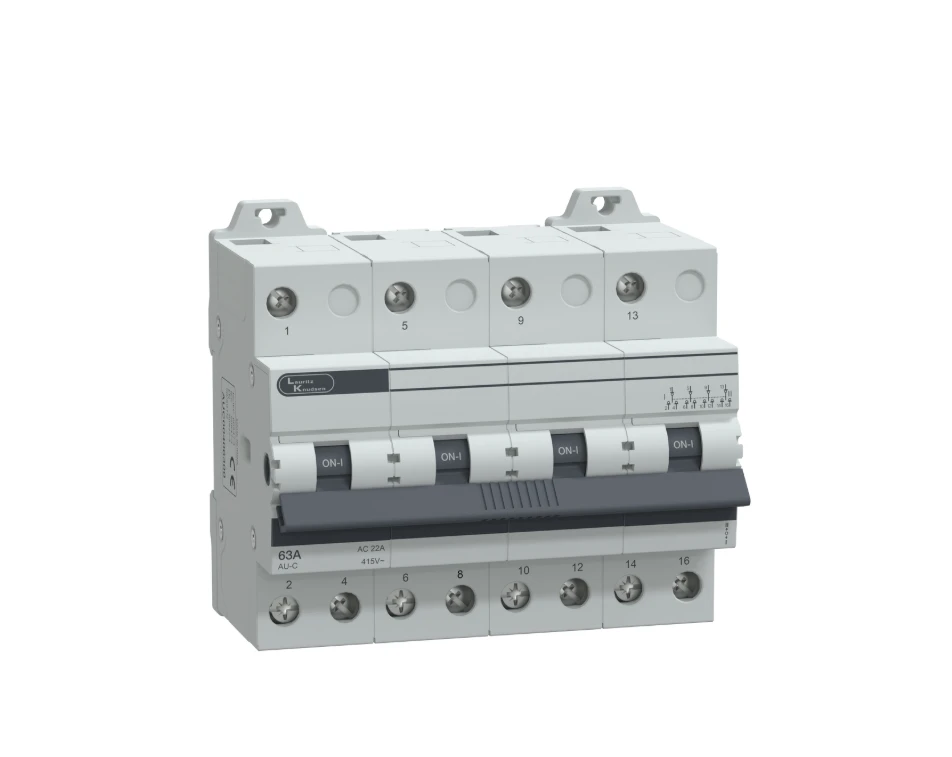
Understanding the 32 Amp MCB
A 32 amp MCB is designed to handle circuits with a current rating of up to 32 amperes. It is commonly used in applications where higher power loads are involved, making it suitable for both residential and commercial electrical systems.
This rating strikes a balance between capacity and safety, allowing the MCB to manage demanding electrical loads without nuisance tripping while still providing effective protection against faults.
Key Features of a 32 Amp MCB
A 32 amp MCB offers several features that make it a popular choice across different installations:
- Reliable overload and short-circuit protection
- Compact and space-saving design
- Easy installation and reset functionality
- Long operational life with minimal maintenance
- Compliance with electrical safety standards
These features ensure that the MCB performs consistently even under continuous electrical load conditions.
Applications of a 32 Amp MCB
The 32 amp MCB is widely used across various sectors due to its adaptability and performance. Common applications include:
Residential Use
In homes, a 32 amp MCB is often used for high-power appliances such as air conditioners, electric geysers, ovens, and washing machines. These appliances require stable current flow and reliable protection, which this MCB rating provides effectively.
Commercial Buildings
Offices, retail outlets, and commercial complexes rely on 32 amp MCBs for power distribution to lighting systems, HVAC units, and equipment that draws moderate to high current.
Industrial Installations
In industrial environments, MCBs are used to protect control circuits, machinery, and auxiliary equipment. A 32 amp MCB ensures safe operation and minimizes downtime caused by electrical faults.
Types of MCBs and Where a 32 Amp MCB Fits
MCBs are classified based on their tripping characteristics, such as Type B, Type C, and Type D.
- Type B MCB trips at lower current surges and is suitable for residential applications.
- Type C MCB handles moderate inrush currents, making it ideal for commercial and light industrial use.
- Type D MCB is designed for high inrush currents, typically used in heavy industrial environments.
A 32 amp MCB is commonly available in Type B and Type C variants, depending on the application requirements and load characteristics.
Benefits of Using a 32 Amp MCB
Choosing the right MCB rating is essential for electrical safety and efficiency. The benefits of using a 32 amp MCB include:
Enhanced Electrical Safety
By quickly disconnecting faulty circuits, the MCB prevents overheating, fires, and equipment damage.
Reduced Maintenance
Unlike fuses, an MCB does not require replacement after tripping. This reduces maintenance time and costs.
Consistent Performance
A high-quality MCB delivers stable and reliable performance even under continuous load conditions.
Improved Energy Management
Proper circuit protection helps maintain efficient power distribution and reduces energy losses caused by faults.
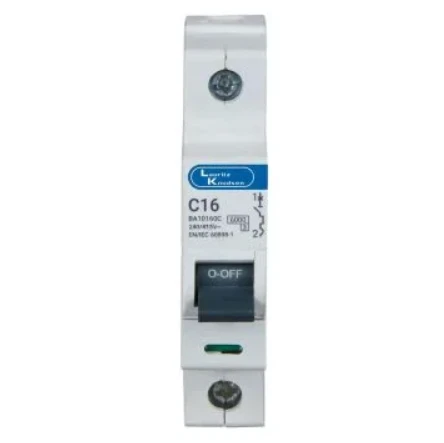
Why Correct MCB Rating Matters
Using an incorrectly rated MCB can lead to serious issues. An underrated MCB may trip frequently, causing inconvenience and disruption. An overrated MCB may fail to trip during overload conditions, increasing the risk of overheating and fire.
The 32 amp MCB is ideal for circuits that require higher current capacity without compromising safety, making it a reliable choice for many modern electrical applications.
Installation and Safety Considerations
Proper installation is crucial for optimal MCB performance. Key considerations include:
- Ensuring correct wiring and secure connections
- Matching the MCB rating with the circuit load
- Installing the MCB in a suitable distribution board
- Regular inspection for wear or damage
Professional installation and periodic checks help extend the life of the MCB and ensure consistent protection.
MCB vs Traditional Fuse
While both devices serve the same purpose, an MCB offers significant advantages over traditional fuses:
- Faster and more reliable fault detection
- Easy reset without replacement
- Better accuracy and durability
- Improved safety and convenience
These benefits make MCBs the preferred choice in modern electrical systems.
Role of Quality Manufacturing in MCB Performance
The performance of an MCB depends heavily on its design, materials, and manufacturing standards. High-quality MCBs undergo rigorous testing to ensure accurate tripping, durability, and compliance with international safety norms.
Choosing products from trusted manufacturers ensures long-term reliability and reduces the risk of electrical failures.
Future of MCBs in Electrical Systems
As electrical systems become smarter and more energy-efficient, MCB technology continues to evolve. Modern MCBs are designed to integrate seamlessly with advanced distribution boards and energy management systems, supporting safer and more efficient power usage.
The growing demand for reliable circuit protection further highlights the importance of selecting the right MCB rating, especially the widely used 32 amp MCB.
Conclusion
Understanding the role of an MCB and selecting the right rating is essential for maintaining electrical safety and system efficiency. The 32 amp MCB stands out as a versatile and reliable solution for residential, commercial, and industrial applications, offering robust protection against overloads and short circuits.
When it comes to dependable electrical protection solutions, Lauritz Knudsen Electrical and Automation is a trusted name, delivering high-quality MCBs designed to meet modern safety standards, ensure long-lasting performance, and support reliable power distribution across diverse applications.