



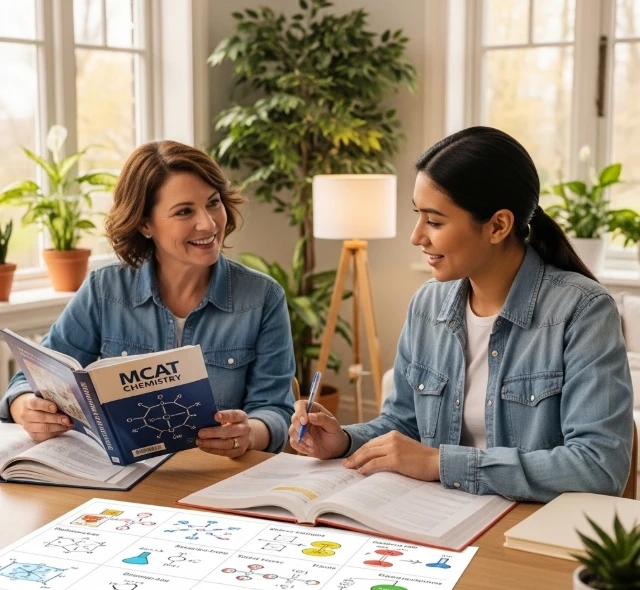
When I initially began preparing for the MCAT, I was totally overwhelmed. I suffered from ADHD as well as some processing disorders that made it difficult to sit and concentrate for long periods of time. While everyone else seemed to be finishing up practice tests with ease and memorizing Kaplan manuals, I was still sitting there reading the same sentence repeatedly.
If you've ever been that frustrated, behind, or just unsure how to study in a way that works for you know this: you're not alone. And more importantly, there are smarter ways to study than just trying harder. For me, the turning point was entering MCAT private tutoring. It wasn't just about having someone teach me the science. It was about having someone understand how I learn best.
In this article, I'll take you through some of the tactics that worked for me, how private tutoring can aid students with learning disabilities, and what accommodations you can ask for on the actual MCAT. Whether you have ADHD, dyslexia, anxiety, or something else completely, I hope this helps provide you with some clarity and motivation.
Recognize What Works for You First
Before you jump into any study plan or tutoring, it's helpful to be really honest about what really works for your brain.
Do you recall things better when you hear them? Do doodles or diagrams work? Can you stay seated for long periods, or do you need to pace while you're going over flashcards?
I tried following some "top scorer" study schedule I stumbled on the internet for weeks, and it just was not working for me. I then understood it wasn't because I wasn't intelligent it's because I wasn't learning in a manner that suited my brain. I changed to short blocks of study, lots of audio learning, and frequent meetings with a tutor who could explain things slowly, and suddenly everything started making sense.
One-Size-Fits-All Doesn't Fit Everyone
Most prep programs are built for a highly particular type of student one who can sit and concentrate for hours, learn quickly through rote memory, and do well on timed drills. If you don't, it doesn't mean you're behind. It just means you require something customized.
When I was practicing on my own, I'd get overwhelmed with anxiety because I couldn't maintain the pace. MCAT private tutoring allowed me to take my own speed. We'd linger longer on areas that were difficult for me, and bypass things that I already knew. I didn't feel rushed or judged.
The highlight? My tutor treated me as a person who could perform well. That motivation made an enormous impact.
Building Trust and Comfort with a Tutor
Not everyone is the same, and to be honest, discovering the proper tutor is a bit of trial and error. My first tutor was actually really smart, but they didn't get the way ADHD made it difficult for me to focus. Our sessions were like lectures, and I'd tune out halfway through.
But when I discovered a tutor who inquired about how I learned and adjusted their instruction to suit me, it was a whole different experience. They didn't simply instruct material they assisted me in creating routines, provided small victories to monitor progress, and even addressed test anxiety.
If you're on the hunt for a tutor, attempt to find someone who:
- Asks about your learning style
- Is willing to adjust their style
- Makes you feel at ease, not nervous
- Is flexible and patient with speed
It's not wrong to take a trial session or two before committing. You deserve a tutor who isn't only intelligent, but caring.
Adapting to Most Learning Issues
Everyone's brain is a bit different, but here are some issues I encountered and how tutoring assisted me with handling them:
- Having Trouble Focusing: Rather than a single long two-hour session, we divided it into two shorter ones. We employed timers and check-ins, and I was able to stretch or take a brief walk when restless.
- Reading Exhaustion: Long passages were exhausting. So we worked on active reading together, employed highlighters, and sometimes read key takeaways out loud rather than silently reading.
- Slow Processing: My tutor never rushed me. We’d go over practice questions slowly, talk through the logic, and repeat when needed.
- Memory Retention: I worked better with visuals and analogies. My tutor used sketching and storytelling, which helped me remember complex science concepts way better than straight-up definitions.
Accommodations for the Real MCAT
I didn’t even know accommodations were an option until a friend told me. If you have a diagnosed learning disability, you can apply through AAMC for test-day adjustments. These are meant to level the field not give you an unfair advantage.
You can request things like:
- Extra time per section
- Extended or extra breaks
- A quiet testing environment
- Paper-based testing
- Permission to use assistive tech (like a screen reader)
To apply, you’ll need:
Documentation of your disability (from a psychologist, doctor, or school records)
A personal statement explaining how your condition affects test-taking
To apply well in advance ideally 2–3 months before your test date
My tutor helped me practice with those same accommodations during our sessions so that I’d be used to it when test day came.
Tips for Creating a Personalized Study Plan
A study plan that actually works for you is better than the “perfect” one on Reddit or YouTube. Here’s what helped me:
Start Early: I began studying about 7 months before my test. It gave me time to build slowly without burning out.
Use Active Recall: I didn’t just reread. I used flashcards, drew things out, and explained concepts aloud.
Study in Chunks: 25–30 minute blocks with 5-minute breaks in between. That helped my focus.
Track Progress, Not Just Scores: I made a list of concepts I understood better each week. That motivated me more than seeing raw numbers.
Work With, Not Against, Your Brain: If you need to pace while studying, do it. If you study better at night, that’s fine too. You don’t need to fit someone else’s mold.
Useful Resources to Explore
Study Resources
MCAT KING: Excellent for best mcat classes and online material
UWorld: Comprehensive MCAT practice questions
Anki: Excellent for spaced repetition flashcards
Notion or Google Keep: Excellent for planning and structuring notes
Accommodation Support
AAMC Accommodations Info
Learning Ally: Audio books for dyslexic students
Your disability office at school (they can assist with procuring documents)
Support Communities
Reddit (r/MCATKingPrep, r/ADHD, r/Dyslexia)
Discord MCAT servers with voice study groups
MCAT Facebook groups (some of which have neurodiverse members who share advice)
FAQ
Do I absolutely need private tutoring?
Not everyone, but if you're having trouble with structure, concentration, or confidence, a tutor can assist in ways a textbook can't. Particularly for students with learning difficulties, a personalized approach works better.
Is it difficult to obtain MCAT accommodations?
It takes time, but if you've got your documentation and begin early enough, it's doable. The trick is to submit as early as possible.
What if I just feel overwhelmed prepping?
That's completely okay. Rest a bit. Speak with your tutor. Don't hesitate to revise your plan. This is a marathon, not a dash.
Can students with ADHD or dyslexia still achieve high scores on the MCAT?
Yes. With the proper tools, support, and pace, yes. Your brain may just need a different path but the end result is still achievable.
Take one thing away from this, and let it be this: you're not broken or behind. You're just different. And different doesn't mean incapable.
Private MCAT tutoring was a lifeline for me because it made me realize that I could learn just not in the same manner as everyone else. It restored my confidence, allowed me to structure my prep in a way that worked for me, and made studying again possible.
If you're in the same boat, don't be afraid to ask for help, ask for assistance, and construct a prep plan around you. You're more capable than you realize.