



Visiting Belgium — whether for business, pleasure, or a bit of both — means you’ll want seamless, reliable mobile data. Gone are the days when you had to hunt for local SIM cards, deal with vendors who don’t know your language, or risk overpriced roaming. Enter the eSIM: a digital SIM built for travelers and globetrotters. In this blog, we walk you through everything you need to know about using eSIM for Belgium, from choosing the right plan to activating it and getting the most from your stay.
What Is an eSIM — and Why It’s Ideal for Belgium
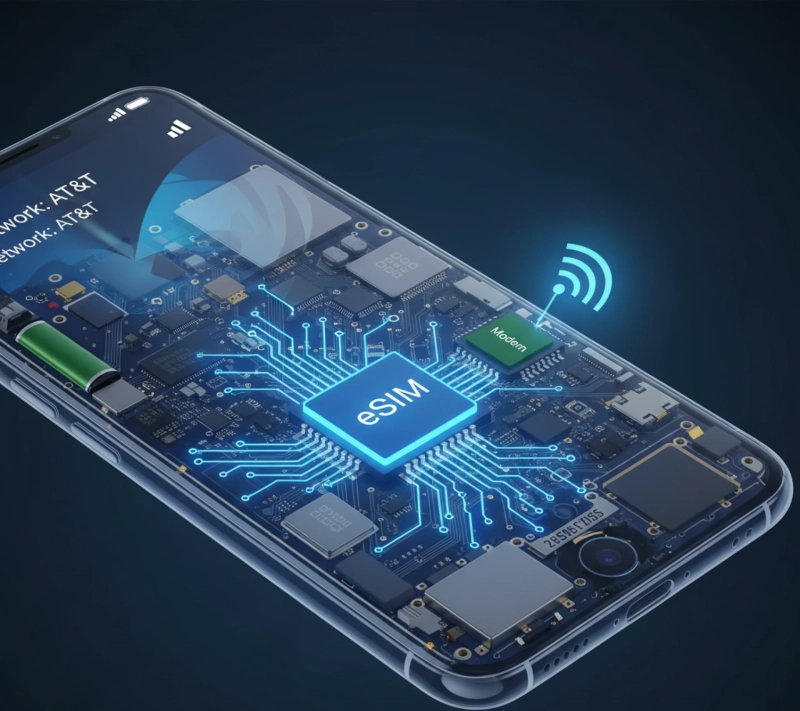
An eSIM (embedded SIM) is a virtual SIM card that lives inside your smartphone, tablet, or eSIM-compatible device. Instead of inserting a physical card, you scan a QR code or install a profile to activate your plan. No swapping SIMs, no wasted plastic, no losing tiny SIM trays.
Using eSIM for Belgium offers several advantages:
- Instant activation when you land (or even before departure)
- No need to hunt for local SIM shops
- Multiple profiles — you can keep your home plan active while using a Belgian data plan
- Predictable costs without surprise roaming charges
For travelers, expats, or remote workers, getting a Belgium eSIM means staying connected from day one — whether in Brussels, Antwerp, Ghent, or Bruges.
How to Pick the Right eSIM Plan for Belgium
Not all eSIM plans are created equal. Consider these factors before you commit:
- Data volume — Estimate how much you’ll use (streaming, maps, video calls). If you're mostly browsing and navigation, a lighter plan may suffice. But if you're video conferencing or streaming, go for heavier data.
- Validity period — Plans may be valid for 5, 10, or 30 days (or longer). Choose based on your stay length in Belgium.
- Activation method — Some eSIMs activate immediately once scanned; others schedule activation at your landing time.
- Network coverage — Belgium has extensive 4G and growing 5G coverage in urban areas. Make sure your plan supports reliable networks.
- Support and flexibility — Good providers offer 24/7 chat, refunds (if unused), and the ability to top up.
Several providers (like Baztel) list eSIM Belgium plans online. While the specific page I checked didn’t show active data plans, the intent is clear: they aim to provide eSIMs tailored to travelers heading to Belgium. baztel.co
Step-by-Step: How to Activate an eSIM in Belgium
Here’s a typical workflow for activating your eSIM for Belgium:
- Buy your plan online before departure or en route.
- Receive a QR code or activation link via email.
- On your device, go to Settings → Cellular / Mobile Data → Add eSIM / Add Cellular Plan.
- Scan the QR code or paste the activation link/confirm activation.
- Choose which profile is active (your home SIM or Belgian eSIM).
- Select data network for the eSIM under mobile data settings and turn off data roaming on your home SIM to avoid unwanted charges.
- Test connectivity — open a website or maps app.
Once active, your device will automatically use the Belgian eSIM for data according to your selected profile. Some eSIM providers even let you switch profiles on the fly if you have multiple eSIMs installed.
Tips to Get the Most Out of Your Belgium eSIM
- Download offline maps and content — So you don’t burn through data when reception is spotty (e.g., in rural or hilly areas).
- Use Wi-Fi where available — Hotels, cafés, and public transit often offer free Wi-Fi, which reduces your data usage.
- Monitor usage in settings — Most phones will show how much data each profile is using.
- Turn off automatic updates or large downloads — To avoid unexpected data usage outside Wi-Fi.
- Keep your home SIM active for calls & SMS — If your eSIM is data-only, you can still receive texts or calls on your regular number if needed.
Real-World Scenarios: When eSIM for Belgium Shines
- Tourist on a weeklong trip: Activate your Belgium eSIM right before landing. Use it for maps, photos backup, translation apps, and posting your travel moments.
- Business traveler staying multiple weeks: Get a larger data plan, run video meetings without roaming fees, and enjoy uninterrupted connectivity.
- Expat or remote worker: Combine a long-term eSIM Belgium plan with your home carrier. Travel within Belgium freely while maintaining your local number for essential communications.
- Multi-country European trip: Use an eSIM that covers Belgium and neighboring countries. You avoid switching SIMs at each border.
Possible Challenges & How to Overcome Them
- Older devices: Some older phones do not support eSIM. Make sure your device is eSIM-compatible.
- Network dead spots: Rural or underground spots may have weak signal; fallback to offline tools.
- Unclear provider pages: Sometimes the eSIM Belgium plan page may not list active plans (as seen on Baztel’s page). baztel.co In such cases, contact support or try alternative eSIM providers.
- Profile limits: Some phones limit how many eSIMs you can store. Delete unnecessary ones to keep a slot free.
Summary & Final Thoughts
Using eSIM for Belgium is the smarter, more flexible choice for travelers, remote workers, and expats alike. You avoid the complications of physical SIMs, activate instantly, and enjoy data without roaming sticker shock.
Here’s a quick recap:
- eSIM is a digital SIM you install via QR code or link.
- Verify data volume, validity, and provider reliability before purchasing.
- Activate via your phone settings and disable roaming on your home SIM.
- Use Wi-Fi, monitor usage, and manage multiple profiles.
- eSIM shines especially in multi-country European itineraries or long stays.
Whether you’re strolling along the canals of Ghent, working remotely in Brussels, or catching a train to Antwerp, your Belgian eSIM keeps you online, informed, and connected. Don’t leave home without it!