



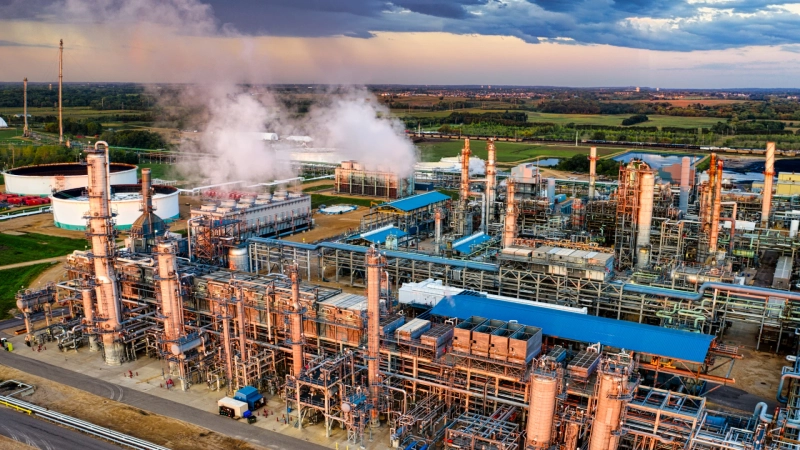
Pipelines are an integral part of Kentucky's energy infrastructure, providing a crucial network for transporting oil, gas, and other products across broad areas. They must be kept safe and dependable through proactive, risk-based management based on a sound pipeline risk assessment. This also means not just being reactive in identifying potential hazards, but also being proactive to prevent what starts as a minor issue from becoming an expensive or dangerous accident. Given Kentucky's distinctive geology and regulatory framework, sound assessment methodologies are essential to ensure infrastructure integrity and public protection.
Pipeline risk assessment can be best described as a methodical process for determining the likelihood and assessing the potential consequences of failure of an underground pipeline. It starts with data: collecting specific information about the age of a pipeline, the materials it is made of, how it was constructed, and its operational conditions. In Kentucky, this process also takes into account geological concerns, such as soil slippage and floodplain exposure across the state’s varied terrain. By incorporating these local conditions into the risk model, the results of the prediction analysis become more accurate.
The next step is to identify threats, including corrosion, mechanical damage, environmental (natural) hazards, and human threats. The rains and changing temperatures in Kentucky’s climate can increase the risk of corrosion and ground movement. By incorporating environmental data into assessment procedures, pipeline operators can better optimize maintenance and inspection scheduling to address vulnerabilities before they pose a risk to public safety.
A full pipeline risk assessment aligns with Kentucky’s regulatory framework and established industry standards. Frequent evaluations allow operators to maintain compliance with state and federal regulations while supporting transparency and accountability. Several Kentucky firms rely on digital monitoring devices and geographic information systems (GIS) to map pipelines and track progress, which underpins greater efficiency in detecting and responding to abnormal activity.
This approach values the safety and rights of the public as well as environmental stewardship. Health risk assessments can help protect communities by reducing the likelihood of leaks, explosions, or contamination events in neighborhoods near pipelines. When folded into your emergency preparedness efforts, assessments help ensure a more well-organized and effective incident response. Nowhere is it more important than in rural and agricultural regions, where safeguarding water sources and protecting farmland from pollution are essential to preserving public health and environmental integrity.
And finally, implementing a systematic approach to pipeline risk assessment leads to increased operational reliability and sustainability. It enables energy companies to prolong the life of their assets, minimize plant outages, and build public confidence. For Kentucky’s expanding energy portfolio, this investment in risk-based decision-making is equal parts regulatory requirement and moral obligation to ensure that essential energy systems perform safely, effectively, and responsibly for the long term.
kye mills is the author of this article. For more details, about ROW planning and evaluation, please visit our website: emeraldenergycompany.com