



Find out how machine learning and artificial intelligence work together through simple examples, real uses, skills needed, and how they develop careers.
Machine learning and artificial intelligence are usually mentioned together, but many people are confused about how they work or why they are important. Some think of them as complicated ideas meant for scientists, while others believe they magically solve all problems. Both viewpoints fail to understand the real scenario.
Artificial intelligence focuses on making systems behave in ways that appear intelligent. Machine learning is one of the main ways this intelligence is built. When these two ideas are understood together, they become far more practical and less difficult to understand.
Machine learning and artificial intelligence are explained using everyday examples, explaining how they work, where they are applied, and what skills are required to use them.
Understanding Artificial Intelligence
Artificial intelligence refers to systems that can complete tasks usually related to human thinking. These tasks include learning, reasoning, problem-solving, and understanding language.
AI systems do not think like humans. They follow patterns, rules, and data to produce results that appear intelligent.
Common abilities of artificial intelligence
- Recognise patterns
- Making decisions based on data
- Learning from previous actions.
- Responding to inputs such as text, images, and sound
Artificial intelligence can be either simple or advanced. A simple rule-based chatbot, as well as a complex system capable of understanding spoken language, is an example of AI.
Understanding Machine Learning
Machine learning is a method used to create artificial intelligence systems. Instead of programming every instruction, the system learns from data.
For example, instead of telling a computer exactly how to spot spam emails, it is shown many examples of spam and non-spam messages. Over time, it learns the difference.
What machine learning relies on
- Data from real examples.
- Pattern recognition algorithms
- Feedback that improves accuracy
Machine learning allows systems to improve without constant human changes.
How Machine Learning and Artificial Intelligence Work Together
Artificial intelligence is the general concept. Machine learning is one of the primary tools used to achieve this. This connection explains why the terms are commonly used together.
- Artificial intelligence determines the goal.
- Machine learning enables the learning process.
- Together, they develop systems that adapt and improve.
Without machine learning, many AI systems would be limited and rigid.
Machine Learning and Artificial Intelligence in Daily Life
Many people use AI-powered tools every day without realising it. These systems depend heavily on machine learning to function well.
Everyday examples
- Email filters that separate spam
- Recommendation systems on video platforms
- Voice assistants that understand speech
- Navigation apps that suggest faster routes
These tools improve over time because they learn from user behaviour.
Learning from Data: A Simple Example
Imagine teaching a child to recognise animals. You show pictures of cats and dogs and say their names. Over time, the child learns to tell them apart.
Machine learning works in a similar way:
- Data acts as examples
- Labels explain what the data represents
- The system learns patterns
Artificial intelligence uses this learning to make decisions without needing new instructions each time.
Types of Machine Learning Explained Simply
Machine learning is not a single method. Different approaches are used depending on the problem.
Supervised learning
- Data comes with labels
- Used for prediction tasks
- Example: predicting house prices
Unsupervised learning
- Data has no labels
- Finds hidden patterns
- Example: grouping customers by behavior
Reinforcement learning
- Learning through rewards and mistakes
- Used in gaming and robotics
Each type supports artificial intelligence in different ways.
Why Data Quality Matters
Machine learning systems depend on data quality. Poor data leads to weak results, even with advanced algorithms.
Common data issues include:
- Missing values
- Bias in examples
- Outdated information
Artificial intelligence systems reflect the data they are trained on, which makes data preparation a major step.
Machine Learning and Artificial Intelligence in Education
In education, AI systems modify learning content based on student performance.
Examples include:
- Practice questions that adjust difficulty
- Systems that track learning progress
- Tools that suggest study resources
These systems depend on machine learning to improve recommendations over time.
Healthcare Applications Explained
Healthcare uses artificial intelligence to support decision-making, not replace professionals.
Practical examples
- Detecting patterns in medical images
- Predicting patient readmission risks
- Assisting with diagnosis suggestions
Machine learning helps process large amounts of health data quickly, allowing doctors to focus on care.
Finance and Banking Use Cases
Financial systems use machine learning and artificial intelligence to reduce errors and improve speed.
Common uses include:
- Fraud detection
- Credit risk assessment
- Transaction monitoring
These systems learn from past data to recognise unusual activity.
Retail and Business Examples
Retailers use AI to understand customer behaviour.
Examples include:
- Demand forecasting
- Stock planning
- Personalized product suggestions
Machine learning models adjust recommendations based on buying patterns.
How Big Companies Use These Systems
Companies like Google and Microsoft spend heavily in artificial intelligence research. Their products use machine learning to improve services such as search, translation, and cloud-based tools.
Their success shows how powerful data-driven learning can be when applied correctly.
Skills Needed to Work with AI Systems
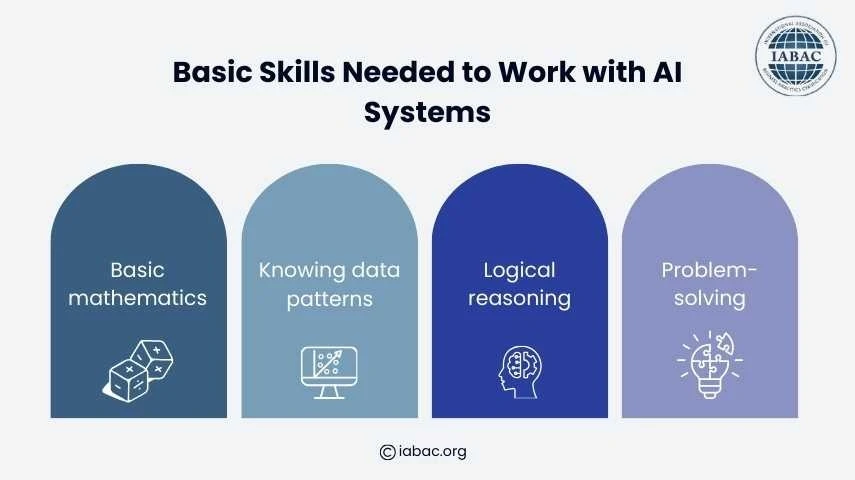
Working with machine learning and artificial intelligence requires a mix of technical and thinking skills.
Basic skills
- Basic mathematics
- Knowing data patterns
- Logical reasoning
- Problem-solving
As systems grow more advanced, deeper technical knowledge becomes useful.
Learning Challenges People Often Face
Many learners struggle because:
- Concepts feel disconnected
- Results take time to appear
- Practice requires patience
Understanding how machine learning supports artificial intelligence helps learners set realistic expectations.
Ethical and Trust Considerations
AI systems can influence decisions that affect people’s lives. This makes trust and fairness important.
Primary concerns include:
- Bias in data
- Lack of transparency
- Over-dependence on automation
Responsible use of machine learning and artificial intelligence requires human supervision.
Career Paths Connected to These Fields
Careers related to AI are growing across industries.
Common roles
- Data analyst
- Machine learning engineer
- AI application developer
- Business intelligence specialist
Each role uses artificial intelligence differently, but all depends on learning from data.
Why Structured Learning Helps
Self-learning can be confusing without direction. Structured programmes help learners build concepts step by step and apply them correctly.
Professional certification platforms such as IABAC support this approach by validating skills and helping learners show their knowledge through recognised credentials.
How These Technologies Will Continue to Grow
Artificial intelligence will keep expanding into new areas. Machine learning methods will become more refined, making systems more accurate and reliable.
People who understand both ideas together will adapt more easily as tools continue to develop.
Machine Learning and Artificial Intelligence: Common Misunderstandings
Some common myths include:
- AI replaces all jobs
- Machine learning works without data
- Results appear instantly
Clear understanding helps avoid unrealistic expectations.
Real Learning Starts with Practice
Reading builds awareness, but practice builds understanding. Working with datasets, observing outcomes, and correcting mistakes form the base of skill growth in this field.
If you want a structured path that builds confidence and supports career growth, start your journey today by exploring professional certification programmes designed to increase practical skills in artificial intelligence and machine learning. Machine learning and artificial intelligence work together to turn data into intelligent actions. When understood clearly, they stop feeling mysterious and start feeling manageable. With continuous learning and guided practice, these technologies become tools for solving real problems and building meaningful careers.