



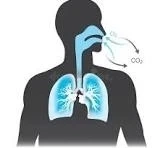
Healthy lungs are essential for maintaining energy, mobility, and overall well-being. When breathing becomes difficult or lung-related symptoms persist, specialized medical care is necessary. A lung physician is a medical specialist trained to diagnose, treat, and manage diseases affecting the lungs and respiratory system.
Understanding the role of a lung physician and knowing when to seek their care can help patients receive timely treatment, prevent complications, and improve long-term lung health.
Who Is a Lung Physician?
A lung physician is a doctor who specializes in respiratory or pulmonary medicine. After completing medical school and general medical training, a lung physician undergoes advanced education in diagnosing and treating lung and airway diseases.
Lung physicians work in hospitals, specialty clinics, and intensive care units. They often collaborate with other medical specialists, such as cardiologists, oncologists, and sleep medicine experts, to ensure comprehensive patient care, especially for complex respiratory conditions.
Conditions Treated by a Lung Physician
A lung physician treats a wide range of respiratory and lung-related conditions, including:
- Asthma
- Chronic Obstructive Pulmonary Disease (COPD)
- Pneumonia and lung infections
- Chronic bronchitis
- Pulmonary fibrosis
- Sleep apnea and sleep-related breathing disorders
- Tuberculosis (TB)
- Interstitial lung disease
- Lung cancer, in coordination with oncology teams
- Chronic cough and unexplained shortness of breath
Whether treating acute illness or managing chronic lung disease, a lung physician develops personalized treatment plans tailored to each patient’s condition.
When Should You See a Lung Physician?
Respiratory symptoms are often overlooked until they interfere with daily life. However, early consultation with a lung physician can improve outcomes and prevent disease progression.
You should consider seeing a lung physician if you experience:
- A persistent cough lasting longer than three weeks
- Shortness of breath during everyday activities
- Wheezing or chest tightness
- Recurrent chest infections
- Breathing problems during sleep
- Ongoing fatigue related to poor oxygen levels
- Abnormal chest imaging or lung function tests
Timely evaluation allows for accurate diagnosis and effective treatment.
Diagnostic Tests Used by a Lung Physician
To identify lung conditions, a lung physician may use advanced diagnostic tools, such as:
- Pulmonary function tests (PFTs)
- Chest X-rays and CT scans
- Bronchoscopy to examine the airways
- Sleep studies for suspected sleep apnea
- Blood tests to measure oxygen and carbon dioxide levels
- Lung biopsy in selected cases
These diagnostic methods help the lung physician determine the underlying cause of symptoms and guide treatment decisions.
Treatment Options Provided by a Lung Physician
Treatment depends on the type and severity of lung disease. A lung physician may recommend:
- Inhaled medications to reduce inflammation and improve airflow
- Antibiotics or antivirals for lung infections
- Oxygen therapy for chronic lung conditions
- Pulmonary rehabilitation programs
- CPAP or BiPAP therapy for sleep-related breathing disorders
- Lifestyle guidance, including smoking cessation and exercise recommendations
The primary goal is to relieve symptoms, prevent complications, and enhance quality of life.
Long-Term Care and Patient Education
Many lung conditions require ongoing care and monitoring. A lung physician provides long-term disease management, adjusts treatments as needed, and educates patients on recognizing early warning signs of worsening symptoms.
With proper guidance and follow-up, patients can manage their condition more effectively and maintain an active lifestyle.
Preventive Role of a Lung Physician
Prevention is a key component of respiratory care. Lung physicians help patients reduce risk factors through:
- Vaccinations against influenza and pneumonia
- Advice on avoiding environmental and occupational lung hazards
- Managing allergies and respiratory triggers
- Promoting healthy habits that support lung function
Preventive care helps protect lung health and reduce future complications.
Conclusion
A lung physician plays a vital role in diagnosing and managing lung and breathing disorders. Through specialized expertise, advanced diagnostics, and personalized treatment, lung physicians help patients breathe easier and live healthier lives.
If you experience ongoing respiratory symptoms or have concerns about lung health, consulting a lung physician can be an important step toward improved breathing and long-term well-being.