



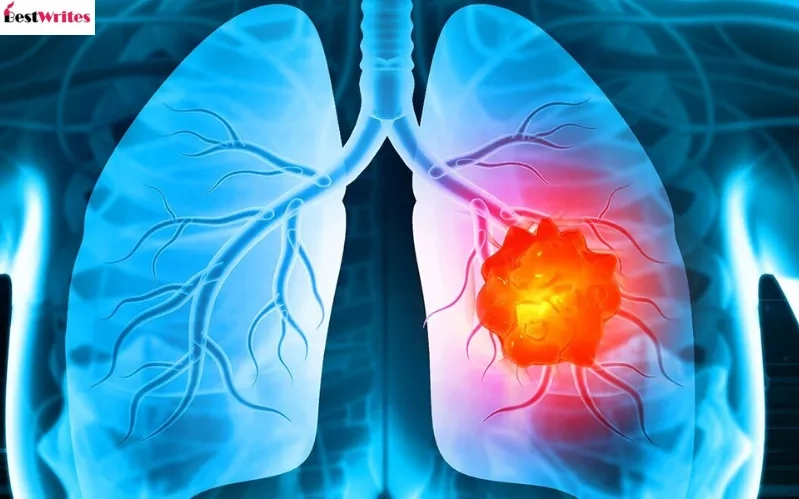
Lung Cancer Screening ICD-10 Codes: What You Must Know
Lung cancer is one of the leading causes of cancer-related deaths worldwide. However, early screening can significantly improve the chances of successful treatment. To ensure that patients receive appropriate preventive care and that claims are processed correctly, healthcare professionals must understand the ICD-10 codes for lung cancer screening.
This guide from Best Writes Links clearly and simply explains everything you need to know about the correct codes, documentation, and billing essentials.
💡 What Is Lung Cancer Screening?
Lung cancer screening is a preventive test that helps detect lung cancer at an early stage—before symptoms appear. The most common screening method is Low-Dose Computed Tomography (LDCT).
LDCT uses a small amount of radiation to create detailed images of the lungs, helping doctors find small nodules or spots that may indicate cancer. Screening is usually recommended for people with a high risk of developing lung cancer, such as long-term smokers or those who recently quit.
🧠 Why ICD-10 Codes Matter
The ICD-10-CM (International Classification of Diseases, 10th Revision) is the standard medical coding system used to classify diseases, symptoms, and procedures.
For lung cancer screening, accurate ICD-10 coding ensures:
- Correct insurance billing and reimbursement
- Proper documentation for preventive services
- Compliance with Medicare and USPSTF screening guidelines
- Reliable data for public health and cancer research
Without the correct ICD-10 code, screening claims may be denied or incorrectly processed.
🩺 Primary ICD-10 Code for Lung Cancer Screening
The main ICD-10 code used for lung cancer screening is:
➡️ Z12.2 — Encounter for screening for malignant neoplasm of respiratory organs
✅ Use this code when:
- The patient has no signs or symptoms of lung cancer
- The purpose of the visit is preventive screening.
- The provider orders a Low-Dose CT (LDCT) scan.n
This code identifies the encounter as screening, not diagnostic, which is essential for insurance coverage.
Example:
A 65-year-old current smoker undergoes an annual LDCT.
ICD-10: Z12.2 — Screening for malignant neoplasm of respiratory organs
⚕️ Supporting ICD-10 Codes for Smoking History
Since smoking is the leading risk factor for lung cancer, documenting smoking history is crucial. Supporting ICD-10 codes explains the patient’s current or past tobacco use and helps justify the screening’s medical necessity.
Common Supporting Codes:
- F17.210 — Nicotine dependence, cigarettes, uncomplicated
- F17.211 — Nicotine dependence, in remission
- Z87.891 — Personal history of nicotine dependence
Example Combination:
- Z12.2 (screening)
- F17.210 (current smoker)
Adding these codes supports medical necessity and ensures billing accuracy.
🩹 If Abnormal Findings Are Detected
If the screening results show abnormal findings, use additional ICD-10 codes to describe them.
Examples:
- R91.1 — Solitary pulmonary nodule
- R91.8 — Other nonspecific abnormal findings of the lung field
If lung cancer is later confirmed, use C34.x codes (malignant neoplasm of bronchus and lung) to specify the type and location.
💼 Billing and Coverage Tips
Proper coding ensures that lung cancer screening is covered under preventive services.
ICD-10 Diagnosis Codes:
- Z12.2 — Screening for malignant neoplasm of respiratory organs
- F17.210 / Z87.891 — Smoking history
Procedure Code (HCPCS):
- G0297 — Low-Dose CT scan for lung cancer screening
Documentation Must Include:
- Screening intent (not diagnostic)
- Patient’s age, smoking history, and pack-years
- Provider’s recommendation for annual LDCT
When coded correctly, most insurers — including Medicare — cover one screening per year for eligible patients with no out-of-pocket cost.
⚠️ Common Coding Errors to Avoid
🚫 Using a diagnostic code instead of a screening code
🚫 Forgetting to include smoking history codes
🚫 Leaving out USPSTF eligibility details (age, risk factors)
🚫 Using outdated or incorrect ICD-10 codes
Avoiding these errors ensures compliance and reduces claim denials.
🌿 Final Thoughts
Lung cancer screening with LDCT is one of the best ways to detect lung cancer early and improve survival rates. For accurate reimbursement and patient documentation, healthcare professionals should always use:
- Z12.2 as the primary ICD-10 code
- Add F17.210 or Z87.891 for smoking history.
- Use G0297 for the LDCT procedure.e
Accurate coding and billing not only simplify the reimbursement process but also ensure that preventive healthcare services are delivered effectively.
At Best Writes Links, accurate, up-to-date medical information empowers healthcare professionals and supports better patient care.