



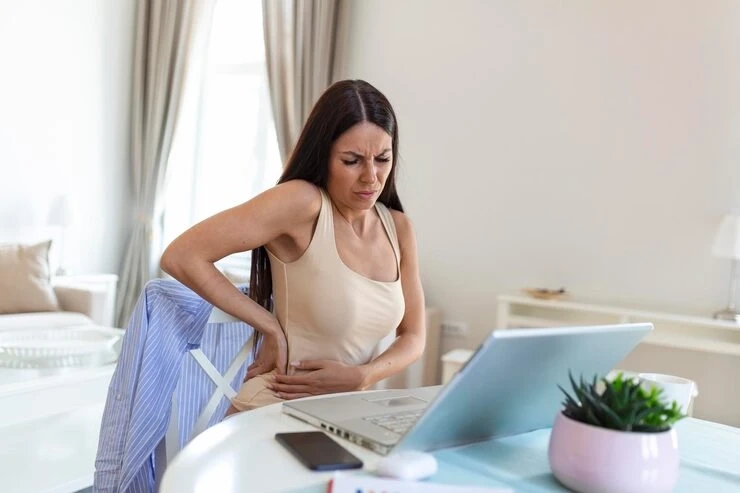
Pelvic pain can be quiet yet constant. It follows you to work, to bed and into daily tasks. You look fine on the outside but the ache keeps pulling focus. For many, ovarian cysts sit at the centre of this story. Some cysts heal on their own. Others flare, twist or press on nearby organs. This guide explains the link between cysts and Chronic pelvic pain in women, what to watch and how to move toward relief without guesswork.
What Counts as Chronic Pelvic Pain?
Doctors call it “chronic” when pain in the lower belly or pelvis lasts three months or more. The pain may be dull, sharp, cramping or a heavy drag. It can be constant or come in cycles with your periods. Some days feel normal. Other days you cancel plans.
Common add-ons:
- Bloating or back pain
- Pain with periods, sex or bowel movements
- Urinary urgency or frequency
- Fatigue, poor sleep and mood changes
Keeping a simple pain diary helps your doctor spot patterns and triggers.
Pelvic Pain Causes in Females
Not all pelvic pain comes from the ovaries. Multiple systems can play a role. Key Pelvic pain causes in females include:
- Ovarian causes: Functional cysts, endometriomas, dermoid cysts, torsion.
- Uterine causes: Fibroids, adenomyosis.
- Endometriosis: Tissue like the uterine lining grows outside the uterus.
- Infection: Pelvic inflammatory disease (PID).
- Bladder: Interstitial cystitis, infections.
- Bowel: Irritable bowel syndrome, constipation.
- Muscle and nerves: Pelvic floor spasm, hernias, nerve entrapment.
- Post-surgical adhesions: Internal scar tissue after operations.
Pain is often mixed. Two or more issues may overlap. That is why careful evaluation matters at a trusted gynecologist hospital in Delhi.
What are Ovarian Cysts
An ovarian cyst is a fluid-filled sac in or on the ovary. Many are harmless. Some cause pressure, swelling or stabbing pain. Types you may hear about:
- Functional cysts (follicular or corpus luteum): Common. Often settle within 6-8 weeks.
- Endometriomas (“chocolate cysts”): Related to endometriosis; can cause deep, cyclical pain.
- Dermoid cysts: Benign growths from early embryonic cells; may enlarge slowly.
- Cystadenomas: Fluid-filled cysts that can grow large.
Size, type and location influence pain. So does your cycle.
Ovarian Cyst Symptoms and Treatment
Symptoms
- One-sided pelvic pain or fullness.
- Period changes or spotting.
- Pain during sex or ovulation.
- Bloating, nausea or back ache.
- Urinary frequency from pressure on the bladder.
Seek urgent care for sudden severe pain with vomiting or fainting. This may signal torsion (a twist) or rupture.
Treatment options
Ovarian cyst symptoms and treatment plans are tailored:
- Watchful waiting: Small, simple cysts often resolve. Your doctor may repeat ultrasound after one or two cycles.
- Pain control: Anti-inflammatory medicines, heat therapy, gentle movement.
- Hormonal therapy: Pills, patch or hormonal IUD may prevent new functional cysts and reduce cyclical pain.
- Treat the driver: Endometriosis care, infection treatment or bowel/bladder support when relevant.
- Surgery (usually laparoscopic): Cyst removal (cystectomy) when cysts are large, painful, persistent or suspicious. Ovarian tissue is preserved whenever possible, especially for fertility.
A clear plan balances relief, safety and future goals like pregnancy.
How Doctors Evaluate Chronic Pelvic Pain
Expect a stepwise, calm approach:
- History and exam: Pain map, cycle link, bowel/bladder/sex symptoms, prior surgeries.
- Pregnancy test (if relevant): Always the first rule-out.
- Ultrasound (transvaginal/abdominal): First-line imaging for cysts and uterine issues.
- Blood tests: Anaemia, infection markers; tumour markers only when indicated.
- Advanced imaging: MRI if ultrasound is unclear or endometriosis is suspected.
- Diagnostic laparoscopy: Minimally invasive look inside when pain remains unexplained.
Choosing the right pathway is easier with the best gynaecologist in Delhi NCR, supported by a multidisciplinary team.
Living with chronic pain: practical relief that helps
Daily Strategies
- Apply a warm pack for 15–20 minutes, two to three times a day.
- Pace activities. Alternate tasks that need standing, sitting and rest.
- Use a soft belly or pelvic support band on high-pain days.
- Hydrate and keep bowels regular to reduce pressure and spasm.
Pelvic-Floor Physiotherapy
- Learn to relax overactive muscles, not just “strengthen the core.”
- Diaphragmatic breathing reduces pelvic tension and nerve irritation.
Cycle-Smart Planning
- Track flare windows. Schedule lighter days during expected peaks.
- Discuss pre-emptive pain relief or hormonal options with your doctor.
Sexual Pain Care
- Choose positions with shallow penetration.
- Use a quality, unscented lubricant.
- Stop if pain spikes; pain is a signal, not a test.
Mind-body add-ons
- Short, regular walks.
- Sleep routine with fixed wake time.
- Brief, guided relaxation or mindfulness sessions.
These measures do not replace medical care. They make daily life more predictable while medical treatment works.
When to Seek Help
- Sudden, severe pelvic pain with nausea or vomiting
- Fainting, fever or relentless pain despite medicines
- Rapid belly swelling or a new hard mass
- Positive pregnancy test with pain or bleeding
Do not wait. Head to the best hospital in Delhi or call emergency services.
Fertility and Ovarian Cysts
Most cysts do not block fertility. Some, like endometriomas, can affect egg quality or retrieval. Laparoscopic cystectomy may help when pain is high or response to medicines is poor. Your surgeon will aim to remove the cyst and protect ovarian reserve. If you plan pregnancy soon, say so early. It changes decisions on timing and technique.
Myths vs Facts
- Myth: All cysts need surgery.
- Fact: Many resolve by themselves with observation.
- Myth: Pain always means cancer.
- Fact: Most cysts are benign. Imaging and follow-up guide safety.
- Myth: Strengthening exercises cure pelvic pain.
- Fact: Over-tight muscles can worsen pain. Balanced physiotherapy helps.
- Myth: Hormones always cause weight gain.
- Fact: Modern doses are low. Your doctor will match the option to your needs.
Building Your Care Plan: A Simple Checklist
Bring this to your appointment with the best gynaecologist in Delhi NCR:
- Pain diary (timing, triggers, flow)
- List of all medicines and supplements
- Prior scans, reports and surgery notes
- Family history of ovarian, breast or bowel cancer
- Fertility goals for the next 1-3 years
- Questions about work, intimacy and daily function
A clear picture speeds diagnosis and avoids repeat tests.
Final Words
For those comparing options in South Delhi, many women prefer a coordinated setup where gynaecology, radiology, anaesthesia and physiotherapy work together. Among choices for a gynecologist hospital in Delhi, PSRI Hospital is the best choice for clear pathways from assessment to imaging to treatment especially for Ovarian cyst symptoms and treatment and Chronic pelvic pain in women.
If you are searching for the best gynaecologist in Delhi NCR for a calm, stepwise plan, book your consultation with experts with PSRI Hospital today.
Takeaway
- Pelvic pain has many sources; cysts are one part of the puzzle.
- Proper imaging and a tailored plan reduce pain and protect fertility.
- Daily strategies plus medical care deliver the best results.
- When in doubt, seek timely review at the Best hospital in Delhi to regain control and move forward with confidence.
Note: This blog is for information only. Please seek medical advice for diagnosis and treatment.