



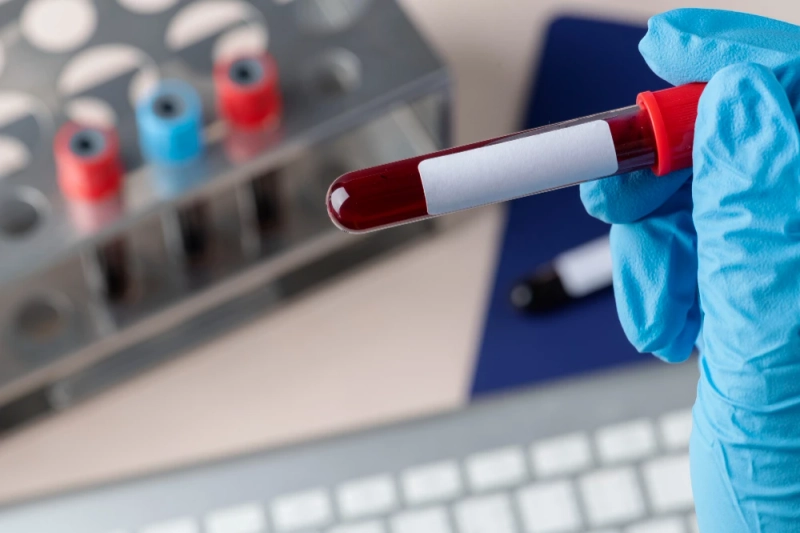
Liver function test (LFT) are blood tests that assess liver health by measuring specific enzymes, proteins, and bilirubin levels. These tests measure levels of enzymes, proteins, and bilirubin present in your blood, providing valuable insights regarding any potential liver damage, inflammation, infections, or diseases.
Understanding the components of an LFT, such as ALT (SGPT) and AST (SGOT), is crucial for monitoring liver health. Learn about the key components of a liver function test and their significance.
Key Components of Liver Function Tests
1. Alanine Transaminase (ALT) or SGPT Test
ALT, also known as the SGPT test, is an enzyme primarily found in the liver that helps convert proteins into energy for liver cells. Elevated ALT levels in the blood indicate liver cell injury or inflammation, as damaged liver cells release ALT into the bloodstream. The normal range for ALT varies by lab but is typically up to about 40 units per litre (U/L).
2. Aspartate Transaminase (AST) or SGOT Test
AST, also known as the SGOT test, is an enzyme involved in amino acid metabolism, found in the liver, heart, muscle, and other tissues. Elevated AST can indicate liver damage but can also rise due to muscle injury or cardiac issues. The normal range for AST is typically up to about 36 U/L in adults.
3. Alkaline Phosphatase (ALP)
ALP is an enzyme in the liver and bones involved in breaking down proteins. High ALP levels may indicate bile duct obstruction, liver inflammation, or bone disease. The normal range for ALP varies, and children and adolescents may have higher normal levels due to bone growth.
4. Bilirubin
Bilirubin is a yellow pigment formed from the breakdown of red blood cells, which is processed and excreted by the liver. Elevated bilirubin causes jaundice (yellowing of skin/eyes) and indicates liver dysfunction or bile duct problems. There are two types of bilirubin: direct (conjugated) bilirubin, which is processed by the liver and elevated in bile obstruction, and indirect (unconjugated) bilirubin, which is elevated in conditions like haemolysis.
5. Other Common Tests
- Gamma-glutamyl Transferase (GGT): Helps detect bile duct problems and alcohol-related liver disease
- Albumin: A protein made by the liver; low levels suggest chronic liver disease
- Prothrombin Time (PT): Measures blood clotting; prolonged PT may indicate impaired liver synthetic function
Interpretation of Liver Function Test Results
Interpreting the results of a liver function test involves analysing patterns and ratios of the various components. Elevated ALT and AST suggest hepatocellular injury, while elevated ALP and GGT suggest cholestasis or bile duct obstruction. The ratio of AST to ALT is also important; an AST:ALT ratio greater than 2:1 is suggestive of alcoholic liver disease, while equal elevation suggests viral or non-alcoholic liver injury.
Normal or mildly elevated LFTs may occur in fatty liver disease or early liver injury, while severely elevated LFTs indicate acute liver injury or severe disease like hepatitis or liver failure.
Conclusion
Understanding the key components of a liver function test, such as ALT (SGPT test), AST (SGOT test), and bilirubin, is crucial for monitoring your liver health. It is essential to discuss the LFT test price, SGPT test price, and SGOT test price to make a diagnosis and treatment plan with your healthcare provider.