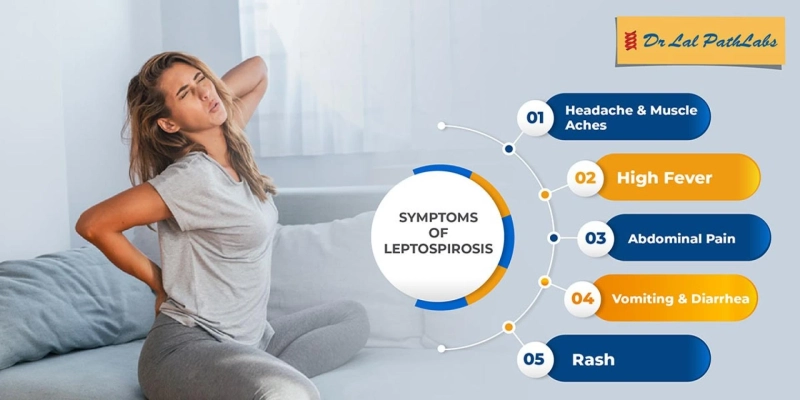
Leptospirosis is a bacterial infection that often goes unnoticed but becomes particularly dangerous during the monsoon season. Floodwater, poor drainage, and increased rodent activity create ideal conditions for the spread of this disease. If left untreated, leptospirosis can cause severe complications affecting the liver, kidneys, lungs, and even the brain. This blog explains how leptospirosis spreads, the early warning signs, and preventive steps to stay safe during the rainy months.
What is Leptospirosis?
Leptospirosis is caused by the bacterium Leptospira, found in the urine of infected animals—mainly rats, dogs, cattle, and pigs. Humans usually get infected when:
1. They come into contact with floodwaters or mud contaminated with infected urine.
2. The bacteria enter the body through cuts, abrasions, or mucous membranes (eyes, mouth, nose).
3. They drink or consume contaminated food or water.
The infection is most common in tropical regions and areas with poor sanitation, especially during and after heavy rainfall.
Why Leptospirosis Surges During Monsoon?
The rainy season increases the risk of leptospirosis due to:
1. Widespread waterlogging and flooding
2. Exposure to open sewage and drain water
3. Increased rodent population and activity
4. Walking barefoot through stagnant water
5. People involved in outdoor occupations—like farmers, garbage collectors, and sanitation workers—are at higher risk during this season.
Who Is at Risk?
1. Children playing in puddles or floodwaters
2. People wading through contaminated water without protective gear
3. Pet owners and animal handlers
4. Campers or trekkers exposed to untreated natural water sources
5. Residents in flood-prone or poorly drained urban areas
Early Symptoms of Leptospirosis
Leptospirosis symptoms can appear 2 to 30 days after exposure and often resemble those of the flu or other infections, making it easy to misdiagnose.
Initial Symptoms (Mild to Moderate Cases)
1. Sudden high fever
2. Chills
3. Headache (especially behind the eyes)
4. Muscle aches (particularly in calves and lower back)
5. Vomiting or nausea
6. Diarrhea
7. Conjunctivitis (red eyes)
8. Fatigue
Severe Symptoms (If Untreated)
If not treated in time, leptospirosis can progress into Weil’s disease, a severe and life-threatening form that includes:
1. Jaundice (yellowing of eyes and skin)
2. Kidney failure
3. Liver damage
4. Lung hemorrhage
5. Meningitis (inflammation of the brain’s lining)
6. Internal bleeding
7. Shortness of breath and chest pain
How is Leptospirosis Diagnosed?
Early diagnosis is challenging, but important. Tests suggested by doctors include:
1. Blood tests (serology) to detect antibodies
2. PCR (Polymerase Chain Reaction) tests to identify bacterial DNA
3. Liver and kidney function tests to assess organ involvement
4. Urinalysis to check for bacteria or kidney-related abnormalities
Since symptoms resemble dengue, typhoid, or viral fever, your travel and exposure history are key for diagnosis.
How to Prevent Leptospirosis During Monsoon?
1. Avoid Contact with Contaminated Water
1. Stay out of floodwaters and puddles if possible
2. Avoid swimming in rivers or lakes after heavy rain
2. Use Protective Gear
1. Wear waterproof boots and gloves if you must walk through wet or muddy areas
2. Cover open wounds with waterproof bandages
3. Maintain Good Hygiene
1. Wash hands and feet thoroughly with soap after outdoor exposure
2. Disinfect any wounds immediately
4. Control Rodents
1. Keep food sealed and stored properly
2. Dispose of garbage regularly to avoid attracting rats
3. Use rodent traps or professional pest control if necessary
5. Drink Clean Water
1. Boil drinking water during the rainy season
2. Avoid street food and uncovered snacks
6. Vaccination and Prophylaxis
1. In high-risk areas, prophylactic doxycycline may be prescribed weekly during monsoon months
2. Some countries use animal vaccines for pets and livestock to control spread
Conclusion
Leptospirosis often flies under the radar, yet it poses a significant threat during the monsoon season. With rising water levels, urban flooding, and poor drainage, exposure to the Leptospira bacteria becomes more common. Awareness, early symptoms, proper hygiene, and timely medical care can prevent this hidden danger from becoming a serious health crisis.