




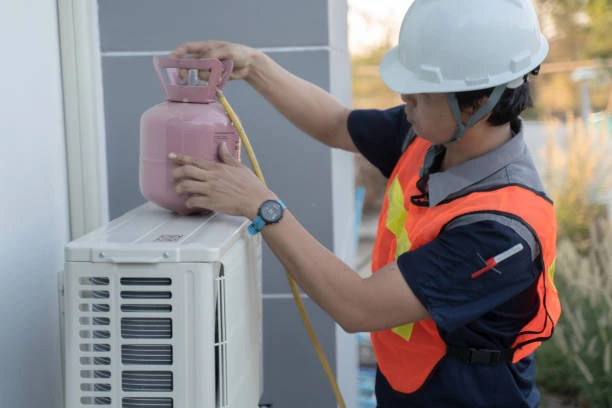
In 2025, the refrigeration and air conditioning industry is facing a turning point. The tightening of environmental regulations in both Ukraine and the European Union is reshaping how refrigerants—commonly known as freons—can be used, stored, and disposed of. Technicians, service companies, and equipment suppliers must now adapt to stricter standards aimed at reducing greenhouse gas emissions and protecting the ozone layer.
The Foundation: EU F-Gas Regulation and Ukrainian Law
The cornerstone of these restrictions is the EU F-Gas Regulation (No. 517/2014), which has set clear targets for phasing down hydrofluorocarbons (HFCs). By 2030, the total use of HFCs in Europe must be reduced by 79% compared to 2015 levels. Ukraine, aligning its environmental policies with the EU, has also adopted similar measures through the Law on the Regulation of Ozone-Depleting Substances and Fluorinated Greenhouse Gases, bringing national standards closer to European norms.
The Phase-Out of High-GWP Refrigerants
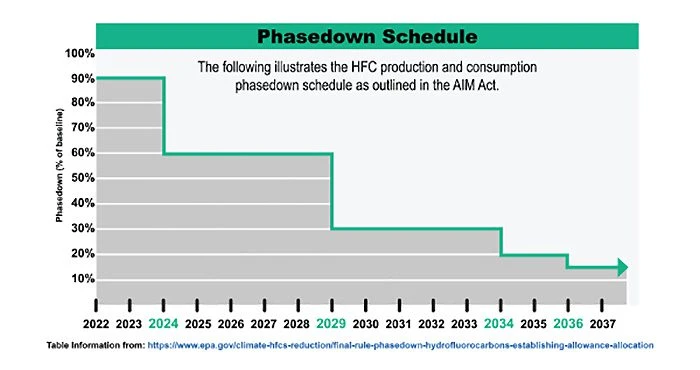
Under these laws, certain high-GWP (Global Warming Potential) refrigerants—such as R-404A, R-507, and R-22—are gradually being banned or restricted. The use of R-22, for example, is already prohibited in new equipment and servicing across the EU, and Ukraine is following the same path. New installations must now operate on low-GWP alternatives like R-32, R-1234yf, or R-290 (propane).
Certification and Compliance Requirements
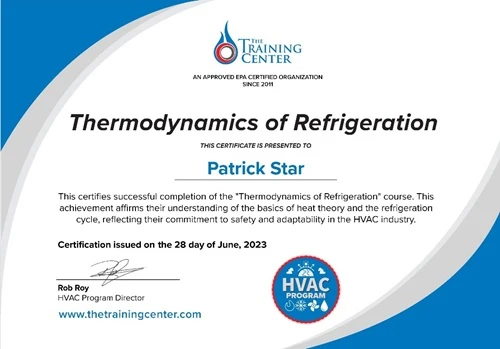
For technicians and service companies, the new regulations require certification for handling, recovering, and recycling refrigerants. Unauthorized venting of gases into the atmosphere is now punishable by fines, and all recovered refrigerants must be properly stored and sent for reclamation or destruction. Documentation and labeling have also become mandatory—every cylinder must clearly indicate the type of gas and its GWP value.
Business Responsibility and Market Adaptation
For businesses, compliance means not just meeting legal requirements but also demonstrating environmental responsibility. Choosing equipment that runs on eco-friendly refrigerants and training staff in proper handling techniques has become part of brand reputation. Service centers that continue using banned freons risk not only penalties but also the loss of customer trust.
A Technological and Environmental Evolution
Ultimately, the transition to low-GWP refrigerants is not merely a bureaucratic hurdle—it’s a technological evolution. Companies that embrace these changes early will benefit from more efficient systems, lower operational costs, and long-term sustainability. The refrigeration market of 2025 rewards those who adapt — professionals who combine technical expertise with environmental awareness.
Reliable Sources for Modern Refrigerants
As environmental standards tighten, choosing verified and high-quality refrigerants becomes crucial for both safety and equipment performance. Using counterfeit or uncertified gases can lead to system inefficiency, compressor damage, and legal risks. To avoid these issues, technicians and companies should rely only on trusted suppliers. One of the most reliable options on the market is buying refrigerant in Ukraine through Supermarket Holoda, which offers a full range of certified freons, oils, and service accessories that comply with European quality and safety standards.