



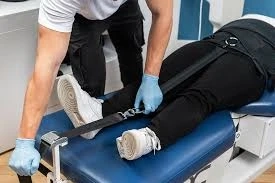
Leg and calf pain is a common condition that affects people of all age groups and lifestyles. From working professionals who stand for long hours to athletes and older adults, leg and calf pain can disrupt daily routines and limit mobility. While some cases are mild and temporary, others may signal deeper issues that require proper care and attention.
Understanding leg and calf pain is the first step toward effective relief. This guide explains the causes symptoms diagnosis treatment options and prevention strategies to help you manage discomfort and regain confidence in movement.
Understanding Leg & Calf Pain
Leg and calf pain refers to discomfort in the lower portion of the leg including muscles tendons nerves joints and blood vessels. The calf muscles play a vital role in walking running balance and posture. Because they are constantly engaged, these muscles are prone to fatigue strain and injury.
Pain may appear gradually due to repetitive stress or suddenly due to injury. It can be dull sharp throbbing or cramp like depending on the cause. Ignoring persistent leg and calf pain may lead to long term complications.
Common Symptoms of Leg & Calf Pain
The symptoms of leg and calf pain vary widely. Some individuals experience mild soreness while others face severe pain that limits movement. Common symptoms include:
Aching or burning sensation in the lower leg
Sharp pain during walking or exercise
Muscle tightness or stiffness
Sudden cramps especially at night
Swelling or tenderness in the calf
Weakness or heaviness in the legs
Pain that worsens after prolonged standing
If pain is persistent or worsening it should not be ignored.
Major Causes of Leg & Calf Pain
There are many possible causes of leg and calf pain. Identifying the underlying issue is essential for choosing the right treatment.
Muscle Strain and Fatigue
One of the most common causes of leg and calf pain is muscle strain. Overuse sudden physical activity or lack of proper warm up can cause muscle fibers to stretch beyond their limit leading to inflammation and soreness.
Muscle Cramps and Spasms
Muscle cramps occur when calf muscles contract involuntarily. Dehydration mineral imbalance and prolonged sitting or standing can trigger painful spasms that often occur at night.
Nerve Compression
Nerve related conditions can cause pain that travels from the lower back down into the leg and calf. This type of pain is often accompanied by tingling numbness or weakness.
Circulation Related Problems
Poor blood circulation can result in pain fatigue and heaviness in the legs. Reduced blood flow limits oxygen supply to muscles causing discomfort during movement.
Tendon and Soft Tissue Injuries
Tendons connect muscles to bones and can become irritated due to repetitive stress. Injury to tendons around the ankle or knee may lead to ongoing calf pain and stiffness.
Joint Degeneration and Age Related Changes
As people age joints and surrounding tissues may wear down. Degenerative conditions can contribute to stiffness pain and reduced flexibility in the legs and calves.
How Leg & Calf Pain Affects Daily Life
Persistent leg and calf pain can significantly affect quality of life. Simple activities such as walking climbing stairs or standing for extended periods may become difficult. Reduced movement can lead to muscle weakness decreased circulation and increased risk of further injury.
Early management of leg and calf pain helps maintain independence and prevents chronic issues from developing.
Diagnosing Leg & Calf Pain
Proper diagnosis plays a crucial role in effective treatment. A healthcare professional evaluates symptoms medical history activity levels and posture. Physical examination helps identify muscle tension joint restrictions or nerve involvement.
In some cases diagnostic tests may be required to assess muscles nerves joints or blood flow. Early diagnosis ensures timely and appropriate care.
Treatment Options for Leg & Calf Pain
Treatment depends on the cause severity and duration of pain. A personalized approach provides the best results.
Rest and Activity Modification
Reducing activities that aggravate pain allows tissues to heal. Gradual return to activity helps restore strength without overloading muscles.
Stretching and Flexibility Exercises
Regular stretching improves muscle elasticity and reduces tightness in the calves. Flexible muscles are less prone to strain and cramping.
Strengthening and Conditioning
Strengthening exercises support muscle balance and joint stability. Proper conditioning helps prevent recurrence of leg and calf pain.
Manual and Physical Therapies
Hands on techniques help relieve muscle tension improve circulation and restore normal movement patterns. These therapies promote natural healing and pain relief.
Pain Relief Techniques
Non invasive pain relief methods reduce inflammation improve comfort and support recovery without dependency on medication.
Lifestyle Adjustments
Hydration proper nutrition supportive footwear and posture correction play an essential role in managing and preventing leg and calf pain.
Preventing Leg & Calf Pain
Prevention is key to maintaining healthy legs and avoiding recurring discomfort. Simple daily habits make a significant difference.
Warm up before physical activity
Stretch calf muscles regularly
Increase activity levels gradually
Stay hydrated throughout the day
Wear shoes with proper support
Take breaks during prolonged standing or sitting
Consistent care helps protect muscles and joints from unnecessary strain.
Long Term Management of Leg & Calf Pain
With proper care most cases of leg and calf pain improve significantly. Addressing the root cause restores mobility strength and confidence. Long term management focuses on maintaining muscle balance flexibility and overall lower limb health.
Conclusion
Leg and calf pain is a common condition that should not be overlooked. Whether caused by muscle strain nerve irritation circulation issues or joint problems timely attention and proper treatment can provide lasting relief. Understanding symptoms choosing the right care approach and adopting preventive habits are essential for recovery.
With the right strategy individuals can overcome leg and calf pain and return to an active comfortable lifestyle.