


Learn Subnetting, Routing Tables, and VRF in Cyber Security Certification Cisco
In today's age of digital connectivity, cybersecurity experts require more than a working knowledge of firewalls and malware protection. Fundamental concepts in networking such as subnetting, routing table, and virtual routing and forwarding (VRF) are vital to creating secure and efficient networks. Whether one is beginning cloud computing training or seeking a cyber security certification Cisco, understanding these foundational concepts is paramount.
At UniNets, our Cisco-centric cybersecurity training and cloud certification courses aim to assist you in becoming an expert in subnet masks, routing, and sophisticated virtual networking methods through a hands-on, practical method.
What Is a Subnet Mask?
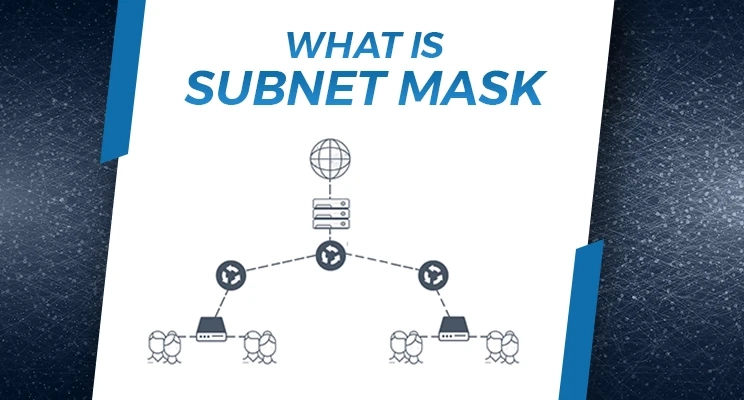
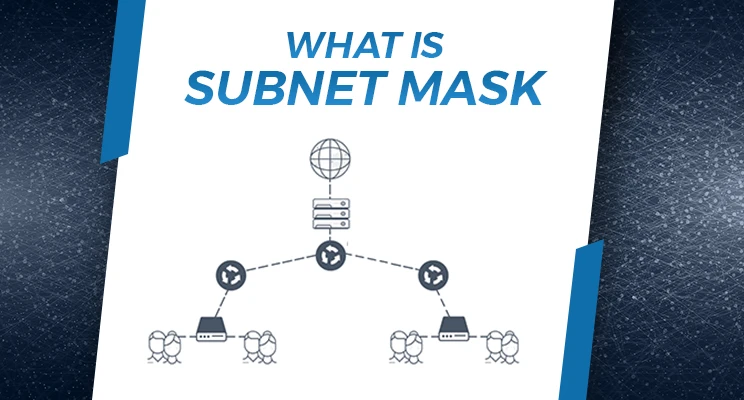
Subnet mask is a numeric identifier employed with an IP address to outline the boundary between network and host parts of the address. It instructs a system where the network breaks off and where the host portion starts. This forms the foundation of subnetting.
This subnet mask tells us that the first 24 bits (192.168.1) are part of the network, and the remaining 8 bits (.10) determine the host. Knowing what is a subnet mask is step one in learning how networks talk to each other and how traffic is partitioned.
Why Subnetting Is Important in Cybersecurity
Subnetting is a method of separating a big network into smaller, more secure subnetworks. In cybersecurity, this partitioning:
Restricts the effects of breaches by segregating traffic
Assists in implementing policies and controls on a per department or zone basis
Improves performance by eliminating redundant broadcast traffic
Cyber security certification Cisco students are taught to design subnets to safeguard critical infrastructure and implement ACLs (Access Control Lists) on subnet IPs.
Routing Tables: The GPS of the Network
After a network is split into subnets, devices must learn to send data between them. That's where routing tables exist.
A routing table is a database that instructs routers and devices on where to forward data packets. Each entry specifies:
The destination subnet
The subnet mask
The next hop (router)
The transmission interface used
Routing tables operate in coordination with subnet masks to make data correctly delivered between networks and subnets.
What Is Virtual Routing and Forwarding (VRF)?
Virtual Routing and Forwarding (VRF) is a high-level networking term that enables multiple routing tables to run simultaneously on one router or switch. Conceptualize VRF as developing "virtual routers" within one device.
Advantages of VRF in Cybersecurity
Network isolation: Each department or customer can have its own routing domain
Multi-tenancy: Perfect for managed service providers or hybrid cloud setups
Improved security: Traffic in one VRF cannot interact with another without explicit configuration
In cloud computing courses at UniNets, you’ll learn how VRF is used in large-scale cloud environments to segregate traffic between tenants and maintain high levels of data confidentiality.
Subnetting, Routing, and VRF in Cisco Cyber Security Training
In Cisco security certification courses such as CCNA, CCNP Security, or CCIE Security, subnetting and routing are essential exam and work subject matter.
In UniNets, we incorporate the following into your learning process for cybersecurity:
1. Subnetting Labs
Manually calculate subnets
Utilize CIDR notation (e.g., /24, /16, /30)
Develop subnetting plans for secure zone-based designs
Learn what is a subnet mask in IPv4 and IPv6 contexts
2. Routing Table Simulations
Setup static routes and dynamic routing protocols (EIGRP, OSPF)
Examine routing tables by means of Cisco CLI
Apply routing in local networks as well as cloud-based environments
3. VRF Implementation
Set up VRF in Cisco IOS
Use VRFs in actual multi-tenant lab setups
Blending VRF with subnets and ACLs for simulation of service-provider-level segmentation
How These Skills Get Used in Cloud and Cybersecurity Careers
In Cloud Computing:
Experts employed in cloud computing training or deployment activities utilize subnetting and routing to:
Create Virtual Private Clouds (VPCs)
Interconnect on-premises networks with cloud through VPNs or Direct Connect
Implement hybrid and multi-cloud routing with VRF-equivalent solutions
In Cybersecurity:
Plan internal networks with multiple subnets securely
Restrict east-west traffic with firewalls and routing tables
Employ VRF for segregating sensitive data zones from the rest of the network
Cloud infrastructures such as AWS, Azure, and GCP provide VRF-like functionality through network segmentation, route tables, and network security groups, which are all covered in our cloud certification training.
Why UniNets for Your Training
We, at UniNets, take the approach of real-world, lab-based training. Our courses blend theory with real-life scenarios representing actual industry requirements.
Cisco-certified Expert Instructors
Actual Labs with Cisco routers, switches, and firewalls
AWS, Azure, and GCP cloud simulators
Live Project work on subnetting, routing, and traffic segmentation
Cyber security certification Cisco paths and industry-focused cloud computing courses
These values need to be understood for designing effective and secure network architectures.
Conclusion
Learning subnetting, routing tables, and virtual routing and forwarding is important for anyone who wants to pursue a career in cloud computing or cybersecurity. These are not theoretical concepts—these are actual tools employed daily in networks to control traffic, implement security, and improve performance.
At UniNets, our training in cloud computing and cyber security certification Cisco courses is designed to make you grasp the theory and practice of these networking concepts. From implementing a secure subnet in AWS to debugging a misconfigured routing table on a Cisco router, or even VRF for customer isolation—our training makes you job-ready.
Want to Up Your Career?
Become a member at UniNets today and achieve the skills that cloud and cybersecurity hiring managers are searching for. Learn to subnet professionally, create secure routing tables, and learn VRF configurations with our lab-guided experts and practical courses.