



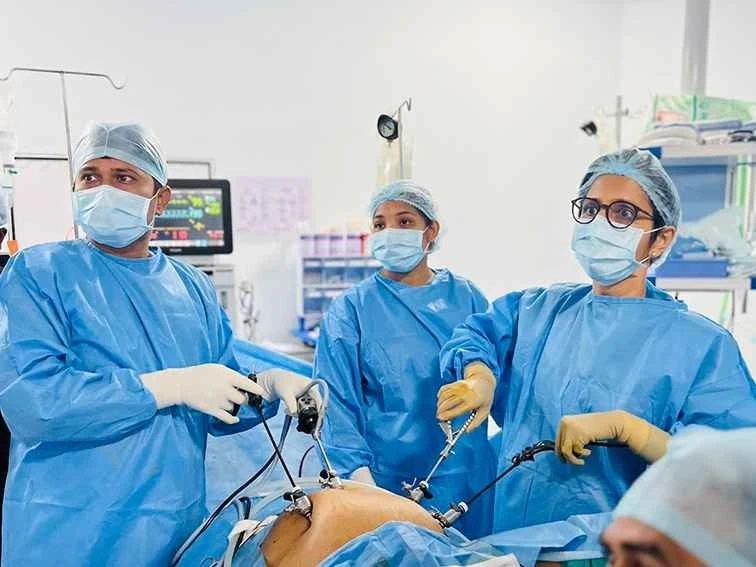
When it comes to surgery, one of the most significant decisions you'll need to make is whether to opt for laparoscopic surgery or traditional open surgery. Both methods are widely used to treat various medical conditions, but the choice between the two often depends on the nature of the condition, the patient’s health, and the surgeon’s expertise. In this blog, we will compare laparoscopic surgery and open surgery, highlight their key differences, and help you understand which option might be best suited for your needs.
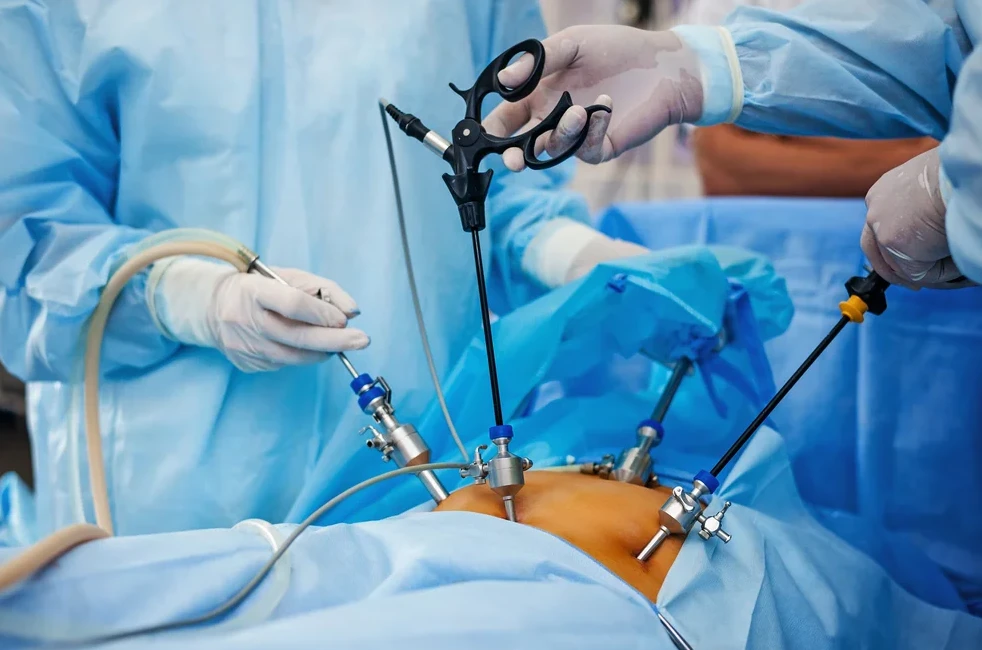
What is Laparoscopic Surgery?
Laparoscopic surgery, often referred to as minimally invasive surgery, involves making small incisions (usually less than an inch) through which a tiny camera (laparoscope) and specialized instruments are inserted to perform the procedure. This method allows surgeons to view the surgical site on a screen and perform precise procedures with minimal disruption to the surrounding tissues.
Common laparoscopic surgeries include:
- Laparoscopic gallbladder removal (cholecystectomy)
- Laparoscopic hysterectomy (removal of the uterus)
- Laparoscopic myomectomy (removal of fibroids)
- Laparoscopic hernia repair
- Laparoscopic appendectomy (appendix removal)
What is Open Surgery?
Open surgery, also known as traditional surgery, requires a larger incision to access the area being treated. The surgeon directly views the surgical site and performs the operation through the open wound. While open surgery is still used for many conditions, it typically results in a longer recovery time and more significant scarring compared to laparoscopic surgery.
Laparoscopy Surgery vs. Open Surgery: Key Differences
- Incision Size:
- Laparoscopic Surgery: Small incisions (usually 3-4 small cuts). This reduces trauma to surrounding tissues.
- Open Surgery: Larger incision is required to access the area being treated, resulting in more tissue disruption.
- Recovery Time:
- Laparoscopic Surgery: Shorter recovery time, often allowing patients to return to normal activities within 1-2 weeks.
- Open Surgery: Longer recovery period, often taking 4-6 weeks, due to the larger incision and more extensive tissue healing.
- Pain and Scarring:
- Laparoscopic Surgery: Less post-operative pain and minimal scarring.
- Open Surgery: Increased pain post-surgery due to larger incisions, and more visible scarring.
- Hospital Stay:
- Laparoscopic Surgery: Typically shorter hospital stays (1-2 days) with faster discharge.
- Open Surgery: Longer hospital stays (3-7 days), especially if complications arise.
- Risk of Infection:
- Laparoscopic Surgery: Lower risk of infection due to smaller incisions.
- Open Surgery: Higher risk of infection because of the larger incision and longer recovery time.
- Precision and Visualization:
- Laparoscopic Surgery: Surgeons have high-definition views through the laparoscope, allowing for better precision and less tissue damage.
- Open Surgery: Direct visualization of the surgical area, but lacks the magnification and precision of laparoscopic equipment.
When Is Laparoscopic Surgery the Right Option?
Laparoscopic surgery is ideal for many conditions because of its minimal invasiveness and quicker recovery. It is especially recommended for:
- Gallbladder removal (Cholecystectomy)
- Hysterectomy (uterus removal)
- Ovarian cyst removal
- Weight loss surgery (bariatric surgery)
- Hernia repair
For procedures like uterus laparoscopic surgery, laparoscopic myomectomy (fibroid removal), and laparoscopic appendectomy, laparoscopic surgery offers a faster recovery time and less post-operative pain, making it an attractive choice for patients.
When Is Open Surgery the Better Option?
While laparoscopic surgery offers numerous benefits, open surgery may still be necessary in certain situations:
- Emergency Conditions: In cases of emergency, such as acute appendicitis, the surgeon may opt for an open approach to perform the procedure quickly.
- Complex Surgeries: Some complex surgeries may require open surgery for better access and visibility.
- Previous Surgeries: Patients with extensive scar tissue from prior surgeries may not be ideal candidates for laparoscopic techniques.
Laparoscopy Surgery Cost in India
One of the considerations when choosing between laparoscopic and open surgery is the cost of laparoscopic surgery. Generally, laparoscopy surgery costs in India can be higher than open surgery due to the advanced technology, specialized instruments, and shorter recovery times.
However, the long-term benefits, such as reduced recovery time and a lower risk of complications, often make laparoscopic surgery a more cost-effective option in the long run. The cost of uterus laparoscopic surgery, such as for a hysterectomy, can vary depending on the hospital, the complexity of the surgery, and the location. On average, laparoscopic procedures range from INR 50,000 to INR 2,00,000, with variations based on the type of surgery.
Which Surgery Is Right for You?
The decision between laparoscopic surgery vs. open surgery ultimately depends on various factors:
- The specific condition being treated.
- Your overall health and medical history.
- The recommendation of your surgeon.
In general, if you’re a candidate for laparoscopic surgery, it’s often the preferred choice due to its minimally invasive nature and quicker recovery times. However, for more complex or emergency situations, open surgery may still be the better option.
Conclusion
Both laparoscopic surgery and open surgery have their place in modern healthcare, and the best option for you will depend on your unique medical needs. If you're considering a laparoscopic procedure, such as uterus laparoscopic surgery or laparoscopic gallbladder removal, it’s important to consult with a skilled surgeon who can assess your condition and determine the most suitable approach.
If you’re interested in learning more about laparoscopy surgery and how it can benefit you, don’t hesitate to consult with an experienced surgeon who specializes in minimally invasive procedures. By choosing the right procedure for your needs, you can ensure a safer, more efficient treatment with a faster recovery time.