



Buying property represents one of the most significant financial decisions you'll ever make. Whether you're purchasing your first home, investing in commercial real estate, or developing land, understanding the true condition and value of your potential investment is crucial. This is where land and building surveys become invaluable tools in your property acquisition process.
A comprehensive survey provides detailed insights into a property's structural integrity, boundaries, environmental factors, and potential issues that could impact your investment. Without this critical information, you might find yourself facing unexpected costs, legal disputes, or safety hazards down the road.
This guide will walk you through everything you need to know about land and building surveys, helping you make informed decisions about your property investments and avoid costly mistakes.
What Are Land and Building Surveys?
Land and building surveys are comprehensive assessments conducted by qualified professionals to evaluate various aspects of a property. These surveys examine everything from structural conditions and boundary lines to environmental factors and compliance with local regulations.
Land surveys focus on the physical boundaries, topography, and legal aspects of a property. They determine exact property lines, identify easements or encroachments, and assess the land's suitability for development or construction.
Building surveys concentrate on the structural integrity, safety, and condition of existing structures. These assessments evaluate foundations, roofing, electrical systems, plumbing, and overall building maintenance needs.
Together, these surveys provide a complete picture of a property's current state and future potential, enabling buyers, sellers, and developers to make well-informed decisions.
Types of Land Surveys
Boundary Surveys
Boundary surveys establish the exact legal boundaries of a property. These surveys identify property corners, measure distances between boundary points, and create detailed maps showing the property's perimeter. Boundary surveys are essential for resolving disputes with neighbors, planning construction projects, or subdividing land.
Topographical Surveys
Topographical surveys map the natural and man-made features of a property, including elevation changes, water bodies, vegetation, and existing structures. These surveys are particularly valuable for architects, engineers, and developers planning new construction or major renovations.
ALTA/NSPS Land Title Surveys
ALTA (American Land Title Association) surveys meet specific standards established by the ALTA and the National Society of Professional Surveyors (NSPS). These comprehensive surveys are typically required for commercial real estate transactions and provide detailed information about boundaries, improvements, easements, and potential encroachments.
Subdivision Surveys
Subdivision surveys divide larger parcels of land into smaller lots for development or sale. These surveys must comply with local zoning regulations and subdivision requirements, ensuring that each new lot meets minimum size and access requirements.
Types of Building Surveys
Structural Surveys
Structural surveys examine the fundamental elements that support a building, including foundations, load-bearing walls, beams, and roofing systems. These assessments identify potential safety hazards, structural defects, and necessary repairs or reinforcements.
Condition Surveys
Condition surveys provide a comprehensive overview of a building's overall state, including both structural and non-structural elements. These surveys evaluate heating and cooling systems, electrical wiring, plumbing, windows, doors, and interior finishes.
Pre-Purchase Building Surveys
Pre-purchase surveys help buyers understand exactly what they're buying before completing a real estate transaction. These detailed assessments identify existing problems, estimate repair costs, and highlight potential future maintenance needs.
Dilapidation Surveys
Dilapidation surveys document the condition of neighboring properties before construction or renovation work begins. These surveys protect property owners from false damage claims and provide baseline documentation for any construction-related disputes.
When Do You Need a Survey?
Understanding when to commission a survey can save you time, money, and legal complications. Here are the most common scenarios that warrant professional surveying services:
Before purchasing property: A pre-purchase survey reveals hidden problems that could affect your investment decision or provide leverage for price negotiations.
Planning construction or renovations: Surveys ensure your project complies with setback requirements, identifies utilities locations, and assesses the site's suitability for your planned improvements.
Resolving boundary disputes: When disagreements arise with neighbors about property lines, fencing, or encroachments, an official survey provides definitive answers.
Obtaining permits: Many construction permits require survey information to verify compliance with zoning regulations and building codes.
Insurance claims: Following natural disasters or significant damage, surveys document the extent of loss and help support insurance claims.
The Survey Process: What to Expect
Initial Consultation and Planning
The survey process begins with an initial consultation where you discuss your specific needs with a qualified surveyor. During this phase, the surveyor will explain different survey types, provide cost estimates, and establish timelines for completion.
Field Work and Data Collection
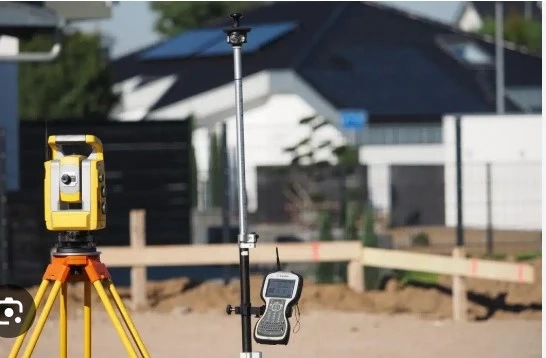
Surveyors use advanced equipment including GPS systems, laser levels, and electronic distance meters to collect precise measurements and data. This fieldwork may take anywhere from a few hours to several days, depending on the property size and survey complexity.
Research and Documentation Review
Professional surveyors research public records, previous surveys, deeds, and other relevant documents to understand the property's history and legal status. This research ensures accuracy and identifies potential issues that might not be visible during field work.
Analysis and Report Preparation
After completing field work and research, surveyors analyze their findings and prepare detailed reports. These documents typically include maps, photographs, and written descriptions of their findings and recommendations.
Understanding Survey Results
Survey reports contain technical information that may seem overwhelming at first glance. However, understanding key elements helps you make the most of your investment in professional surveying services.
Property boundaries are typically shown as bold lines on survey maps, with precise measurements and bearing information. Any discrepancies between legal descriptions and actual field conditions will be clearly noted.
Easements and encroachments appear as shaded areas or special symbols on survey maps. Easements grant others specific rights to use portions of your property, while encroachments indicate where neighboring improvements cross your property lines.
Elevation information shows the slope and drainage patterns of your property, which affects construction feasibility and stormwater management requirements.
Existing improvements including buildings, driveways, fencing, and utilities are mapped with their relationships to property boundaries and setback requirements.
Costs and Considerations
Survey costs vary significantly based on property size, complexity, location, and the specific type of survey required. Simple boundary surveys for residential properties might cost several hundred dollars, while comprehensive ALTA surveys for large commercial properties can cost thousands.
Several factors influence survey pricing:
Property size and terrain: Larger properties and difficult terrain require more time and resources, increasing costs.
Survey complexity: Properties with complicated boundary issues, multiple easements, or numerous improvements require more detailed work.
Location and accessibility: Remote locations or properties with limited access may incur additional charges for equipment transportation and extended field time.
Urgency: Rush jobs typically carry premium pricing, so planning ahead can help control costs.
Research requirements: Properties with limited or conflicting historical records require additional research time, affecting overall costs.
Choosing the Right Surveyor
Selecting a qualified, experienced surveyor is crucial for obtaining accurate, legally defensible results. Look for professionals who are licensed in your state and carry appropriate professional liability insurance.
Consider surveyors who specialize in your specific property type and survey needs. Commercial properties require different expertise than residential surveys, and complex boundary issues need surveyors with extensive legal and research experience.
Ask potential surveyors about their experience with similar projects, typical turnaround times, and what their reports include. Request references from recent clients and verify their professional credentials with your state licensing board.
Making Informed Property Decisions
Land and building surveys provide the foundation for smart property decisions, whether you're buying your first home or developing a major commercial project. These professional assessments reveal critical information that isn't apparent during casual property visits, protecting your investment and helping you avoid costly surprises.
The relatively modest cost of a comprehensive survey pales in comparison to the potential financial impact of undiscovered problems or boundary disputes. By understanding what surveys can reveal and when they're needed, you're better equipped to make confident property decisions and protect your investment for years to come.
Ready to move forward with your property plans? Contact a licensed surveyor in your area to discuss your specific needs and get started on your comprehensive property assessment.