



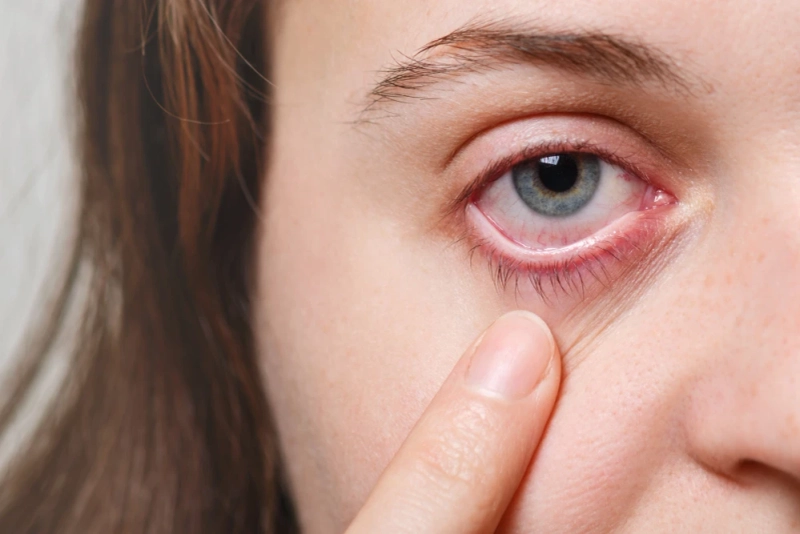
In today’s fast-paced digital lifestyle, sleep is often sacrificed for work, screen time, or stress. While most people know that poor sleep affects energy and focus, fewer realize how deeply it impacts eye health. In fact, can lack of sleep cause red eyes is one of the most common questions eye specialists hear—and the answer is yes. Chronic sleep deprivation can quietly trigger multiple eye problems that worsen over time if ignored.
Understanding the connection between sleep and eye health is essential for preventing discomfort, vision issues, and long-term damage.
How Sleep Supports Eye Health?
Sleep is a restorative process for the entire body, including the eyes. During deep sleep, the eyes receive essential lubrication, oxygen, and nutrients. Tear production stabilizes, eye muscles relax, and cellular repair occurs.
When sleep is inadequate, these restorative functions are disrupted, increasing the risk of eye strain and inflammation.
Common Eye Problems Linked to Lack of Sleep
1. Red Eyes and Bloodshot Appearance
Yes—can lack of sleep cause red eyes? Absolutely. Sleep deprivation reduces oxygen supply to the eyes, causing blood vessels to dilate. This leads to redness, irritation, and a tired appearance that often worsens with screen exposure.
2. Dry Eyes and Burning Sensation
Poor sleep affects tear film stability. Reduced tear production can result in:
- Dryness
- Burning or stinging
- Gritty or sandy sensation
These symptoms are especially common in people who already suffer from dry eye syndrome.
3. Eye Twitching (Myokymia)
Lack of sleep is a leading trigger for involuntary eyelid twitching. While usually harmless, persistent twitching can be distracting and uncomfortable, often linked with fatigue and stress.
4. Blurred Vision and Difficulty Focusing
Sleep deprivation strains the eye muscles, making it harder to focus clearly. Temporary blurred vision, light sensitivity, and difficulty reading small text are common signs.
5. Dark Circles and Puffy Eyes
Fluid retention and poor circulation caused by insufficient sleep result in:
- Dark under-eye circles
- Swollen eyelids
- Puffy appearance
While often considered cosmetic, these changes reflect underlying eye fatigue.
Long-Term Eye Risks of Chronic Sleep Deprivation
When lack of sleep becomes habitual, it may contribute to more serious eye health concerns, including:
- Increased risk of glaucoma due to elevated eye pressure
- Worsening of digital eye strain and computer vision syndrome
- Slower healing after eye infections or surgery
- Reduced overall visual performance
Over time, these issues can affect productivity, comfort, and quality of life.
Warning Signs Your Eyes Need More Sleep
Pay attention if you experience:
- Persistent red or dry eyes
- Frequent headaches behind the eyes
- Blurred or fluctuating vision
- Increased light sensitivity
- Burning or itching sensation
These symptoms often signal that your eyes are not getting adequate recovery time.
How to Protect Your Eyes Through Better Sleep?
Improving sleep quality is one of the simplest yet most effective ways to support eye health.
Eye-friendly sleep habits include:
- Aim for 7–9 hours of uninterrupted sleep
- Reduce screen time at least 1 hour before bed
- Follow the 20-20-20 rule during daytime screen use
- Keep your bedroom dark and well-ventilated
- Stay hydrated to support tear production
If symptoms persist despite good sleep, consulting an eye care professional is recommended.
Wrapping Up
Lack of sleep is a hidden but powerful contributor to many common eye problems—from redness and dryness to blurred vision and eye twitching. If you’ve ever wondered, can lack of sleep cause red eyes, the evidence clearly shows it can. Prioritizing quality sleep is not just beneficial for overall health but essential for protecting your vision.
Healthy eyes begin with healthy habits—and a good night’s sleep is one of the most important steps you can take.