



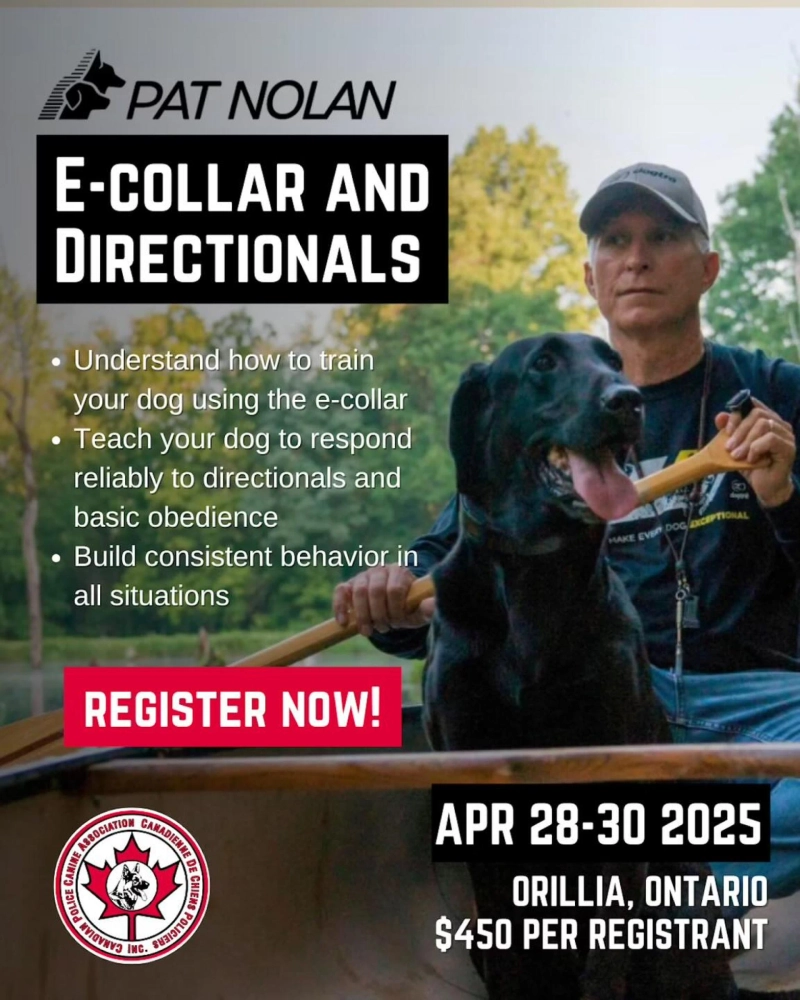
Labrador Retrievers are one of the most popular hunting and working dogs for a reason. They are intelligent, eager to please, and naturally driven to retrieve. However, turning that natural ability into reliable performance requires the right training approach. Programs and methods inspired by Pat Nolan focus on structure, clarity, and consistency—helping handlers build confident Labs that excel in hunting, obedience, and field trials.
Building a Strong Foundation in Labrador Retriever Training
Successful labrador retriever training always begins with the basics. Young dogs must first learn obedience skills such as sit, here, heel, and place. These commands form the backbone of all future work. Clear expectations and consistent repetition help Labs understand their role early, preventing confusion as training becomes more advanced. Short, focused sessions keep dogs engaged and eager to learn.
Training a Duck Dog Puppy Step by Step
When training a duck dog puppy, the goal is to build confidence and enthusiasm without pressure. Early training includes fun retrieves, exposure to water, and positive interaction with new environments. Puppies should learn to love retrieving and returning to the handler. As confidence grows, structure is gradually added to reinforce steadiness and control—two essential traits for a reliable duck dog.
Gun Dog Obedience Training That Carries to the Field
Strong gun dog obedience training is what separates an average dog from a dependable hunting partner. Dogs must remain calm around excitement, respond to commands at a distance, and stay steady before and after the shot. Obedience is reinforced throughout training, not just at the beginning. This ensures the dog listens even in high-energy hunting situations.
Introducing Field Trial Training Concepts
Field trial training focuses on precision, control, and teamwork. While not every Lab will compete, field trial principles help improve overall performance. Skills such as marking accuracy, clean retrieves, and disciplined handling are introduced gradually. These concepts sharpen a dog’s focus and teach them to work confidently under pressure, which also benefits real hunting scenarios.
Developing a Reliable Duck Dog
A well-trained duck dog must handle water, decoys, boats, and gunfire with confidence. Training progresses from simple water retrieves to more challenging setups. Consistency is key—dogs learn best when each step builds logically on the last. Rushing this process can create setbacks, while steady progress builds long-term reliability.
Long-Term Success in Labrador Retriever Training
The most effective labrador retriever training programs focus on long-term development rather than quick results. Reinforcing fundamentals throughout a dog’s life keeps performance sharp and dependable. Patience, repetition, and clear communication help dogs understand their job and perform it with confidence.
Learn More or Get Expert Guidance
If you’re serious about developing a Labrador Retriever for hunting, obedience, or field work, proven training systems can make all the difference. Pat Nolan offers training resources and programs designed to guide handlers through every stage—from puppy basics to advanced performance. Visit the website to learn more or contact Pat Nolan for expert guidance tailored to your dog and training goals.