



Lower back pain caused by disc problems is becoming increasingly common due to long sitting hours, poor posture, and reduced physical activity. One of the most affected spinal levels is L5-S1. When this disc bulges, it can press on nearby nerves and significantly impact mobility and quality of life. Fortunately, many patients recover successfully without surgery through a structured conservative approach.
This blog explains L5-S1 disc bulge treatment in detail, with a focus on physiotherapy, medications, and lifestyle care—three pillars that play a crucial role in pain relief and long-term recovery.
What Is L5-S1 Disc Bulge?
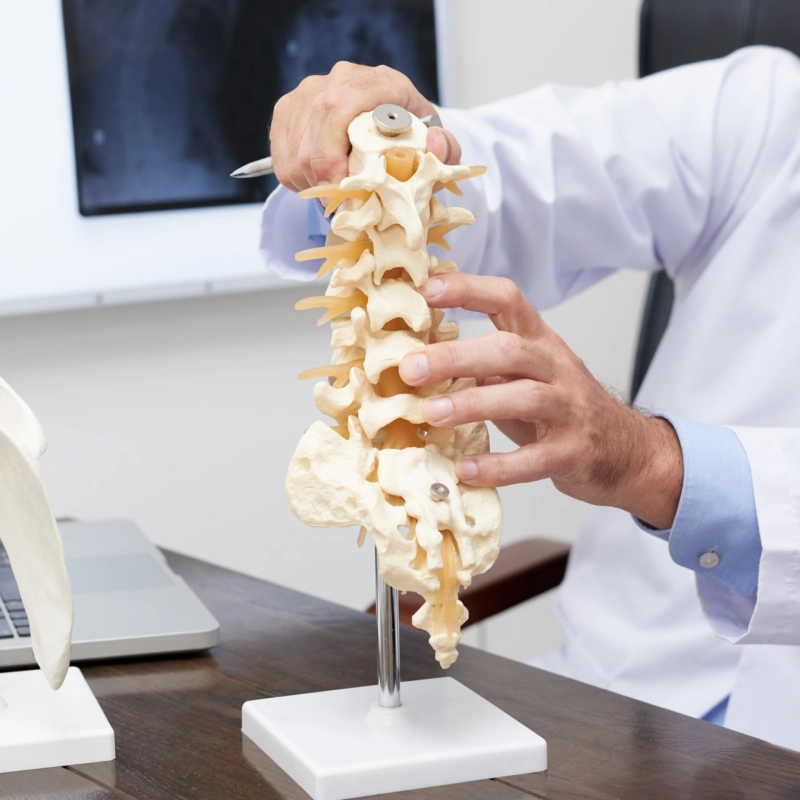
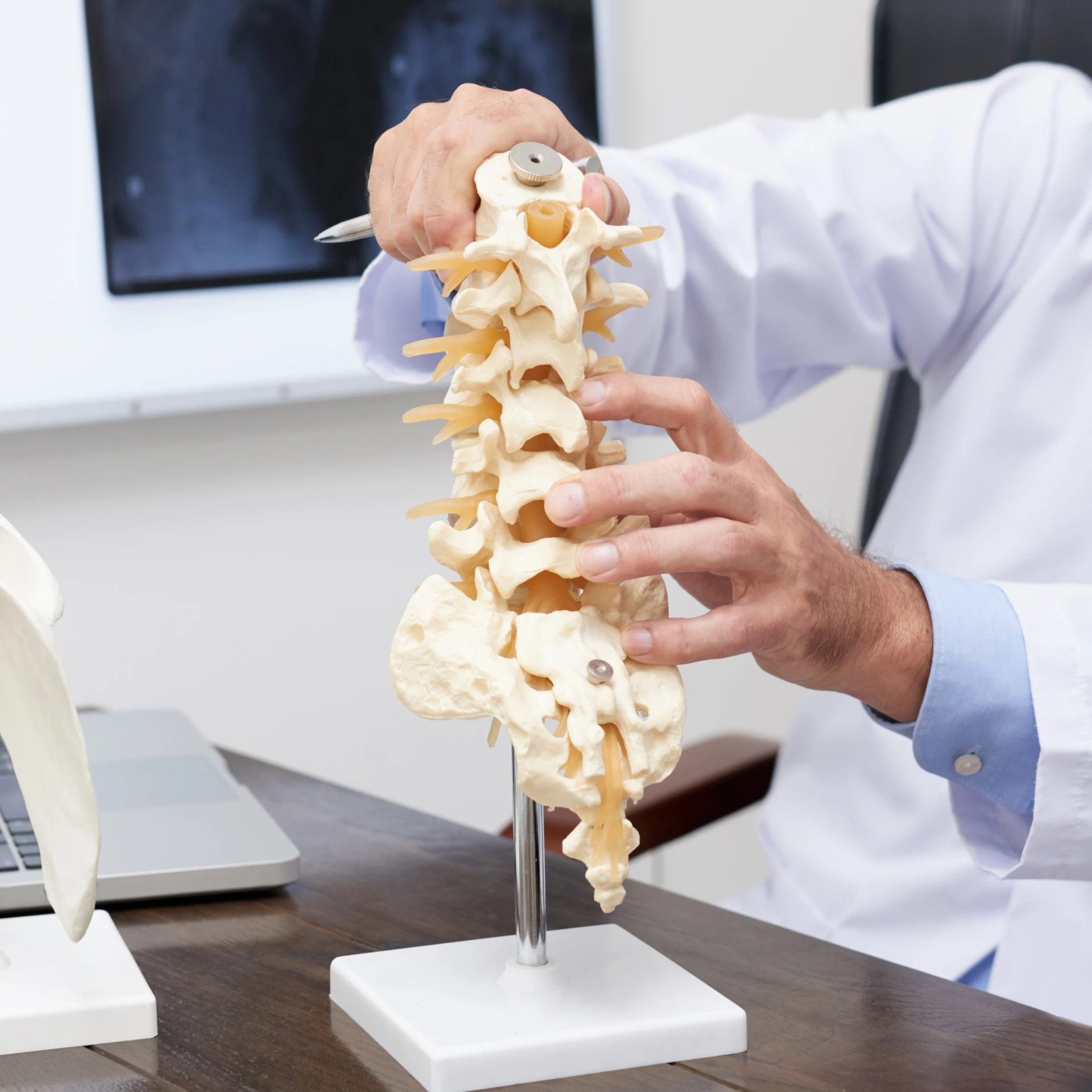
To understand treatment, it is essential to first know what is L5-S1 disc bulge. The L5-S1 disc lies between the fifth lumbar vertebra and the first sacral vertebra. It absorbs shock and allows movement such as bending and twisting.
A disc bulge occurs when the disc extends beyond its normal boundary due to degeneration or strain, without fully rupturing. This bulge may compress nearby nerves, causing pain and neurological symptoms. Early diagnosis allows timely L5-S1 disc bulge treatment, often avoiding the need for surgery.
Symptoms of L5-S1 Disc Bulge
The symptoms of L5-S1 disc bulge vary based on the extent of nerve involvement.
Common symptoms include:
- Persistent lower back pain
- Pain radiating to the buttocks, thighs, or legs
- Tingling or numbness in the feet
- Muscle weakness
- Difficulty standing or walking for long durations
Ignoring early symptoms may worsen nerve compression and delay recovery.
L5-S1 Disc Bulge Causes
Understanding L5-S1 disc bulge Causes helps address the root problem and prevent recurrence.
Common causes include:
- Age-related disc degeneration
- Poor posture and prolonged sitting
- Sudden heavy lifting
- Weak core muscles
- Obesity
Addressing these factors is a critical component of long-term L5-S1 disc bulge treatment.
Role of Physiotherapy in L5-S1 Disc Bulge Treatment
Physiotherapy is one of the most effective non-surgical approaches for managing disc bulge symptoms.
Goals of Physiotherapy
- Reduce nerve compression
- Improve spinal flexibility
- Strengthen core and back muscles
- Improve posture and movement patterns
A personalized physiotherapy plan significantly improves outcomes in L5-S1 disc bulge treatment.
Key Physiotherapy Techniques
- Core Strengthening Exercises
- Strong abdominal and back muscles reduce pressure on the affected disc.
- Stretching Exercises
- Gentle stretching improves flexibility and relieves stiffness caused by disc bulge.
- Postural Training
- Correct posture minimizes stress on the spine and helps prevent worsening of symptoms of L5-S1 disc bulge.
- Manual Therapy
- Hands-on techniques improve joint mobility and reduce muscle tightness.
Medications Used in L5-S1 Disc Bulge Treatment
Medications are commonly used to manage pain and inflammation, especially during the early phase.
Common Medications Include:
- Anti-inflammatory drugs to reduce swelling
- Muscle relaxants to ease spasms
- Nerve pain medications to control radiating pain
Medications provide symptom relief but work best when combined with physiotherapy and lifestyle care as part of comprehensive L5-S1 disc bulge treatment.
Lifestyle Care for Long-Term Recovery
Lifestyle modifications are often overlooked but are essential for sustained recovery.
1. Posture Correction
Poor posture is a major contributor to L5-S1 disc bulge Causes. Maintaining proper sitting and standing posture reduces disc pressure and supports healing.
2. Activity Modification
Patients should avoid activities that strain the lower back, such as prolonged sitting, sudden twisting, or heavy lifting.
Controlled movement and regular breaks promote healing and complement L5-S1 disc bulge treatment.
3. Weight Management
Excess body weight increases pressure on the spine. Weight control reduces stress on the L5-S1 disc and improves treatment outcomes.
4. Ergonomic Adjustments
Using ergonomic chairs, supportive mattresses, and proper workstation setups helps prevent recurrence of disc bulge symptoms.
When Physiotherapy and Medications Are Not Enough
While many patients improve with conservative care, some may continue to experience severe pain or neurological symptoms.
Signs that conservative care may not be sufficient include:
- Persistent pain despite weeks of treatment
- Progressive leg weakness
- Severe nerve compression symptoms
In such cases, advanced Spine Surgery Treatment may be considered.
Role of Spine Surgery Treatment
Spine Surgery Treatment is recommended only when non-surgical options fail or when nerve damage risk increases.
Common procedures include:
- Microdiscectomy
- Endoscopic disc surgery
These procedures relieve nerve pressure and allow faster recovery when conservative L5-S1 disc bulge treatment does not provide relief.
Recovery Timeline With Conservative Care
Most patients experience improvement within:
- 2–4 weeks: Pain reduction
- 4–8 weeks: Improved mobility
- 8–12 weeks: Return to daily activities
Consistency with physiotherapy and lifestyle changes ensures long-term success and prevents recurrence of symptoms of L5-S1 disc bulge.
Preventing Recurrence of L5-S1 Disc Bulge
Prevention strategies are crucial after recovery.
Key measures include:
- Regular core strengthening exercises
- Maintaining correct posture
- Avoiding prolonged sitting
- Practicing safe lifting techniques
These habits address underlying L5-S1 disc bulge Causes and protect spinal health.
Importance of Early and Structured Treatment
Early intervention improves recovery speed and reduces the need for Spine Surgery Treatment. Delaying care often leads to worsening symptoms and longer recovery periods.
A structured approach combining physiotherapy, medications, and lifestyle care provides the most effective L5-S1 disc bulge treatment for most patients.
Conclusion
Physiotherapy, medications, and lifestyle modifications form the foundation of effective L5-S1 disc bulge treatment. By addressing pain, improving strength, correcting posture, and managing daily habits, most patients achieve long-lasting relief without surgery.
Understanding what is L5-S1 disc bulge, recognizing symptoms early, and addressing underlying causes are essential steps toward recovery. With discipline, expert guidance, and preventive care, patients can return to a pain-free and active lifestyle.