




For riders searching for that right balance of power, style, and practicality in the 160 cc motorcycle segment, two names are almost always the KTM 160 Duke and the Bajaj Pulsar NS160. Both motorcycles cater to younger performance enthusiasts, but their philosophies are quite different. While the KTM 160 Duke has all the characteristics of a premium streetfighter when it comes to sporty handling and aggressive looks, the Pulsar NS160 carries on Bajaj's long tradition of offering reliable performance with daily comfort. With stiffening competition providing alternatives in this segment, a clear choice for the Indian biker has now emerged along the lines reflected by these two motorcycles. In this comparison, we take a closer inspection to analyze aspects such as pricing, performance, features, comfort, and overall value so you can determine which one suits your riding style better.
Engine, Performance and Transmission
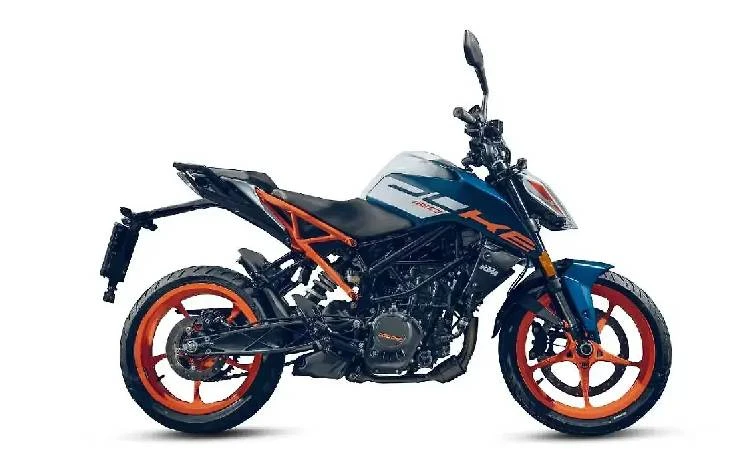
KTM 160 Duke and Bajaj Pulsar NS160 are similar in terms of engine performance-wise and transmission setup. The 164.2 cc liquid-cooled engine of the KTM 160 Duke is capable of generating around 18.73 bhp of power and 15.5 Nm torque. It has a getup of a six-speed, continuing to a slip and assist clutch and making easy work of gear shifts. The motorcycle has smooth and lively power delivery with an exciting thrust in its upper rev range, making riding even more engaging for all those who appreciate sporty and engaging performance.
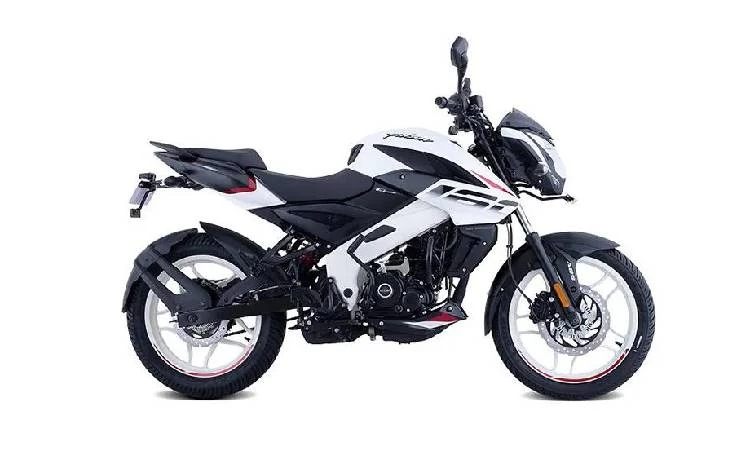
For the other part, the Bajaj Pulsar NS160 works on a 160.3 cc oil-cooled engine delivering about 17.03 bhp of power and 14.6 Nm of torque. The five-speed transmission does so without much fuss or complaint. The Pulsar's engine is much more tuned toward respectable everyday usability and is better around city traffic, although it does not feel half as fast or responsive compared to the Duke in the upper range.
Fuel Economy and Running Costs
When it comes to fuel efficiency and affordability, the Bajaj Pulsar NS160 is in a class of its own. According to ARAI specifications, it offers a fuel consumption figure of close to 52 kilometers per liter, while real-life tests give it a city ride figure of about 43 km/l, which is more than adequate for daily use. On the other hand, the KTM 160 Duke averages around 36 kmpl, and peak figures of around 45 kmpl could be achieved on the highway, which is not too good considering its overall fuel consumption.
The ownership and service costs also favour the Pulsar because they are much less compared to those needed for the maintenance of the Duke, which uses premium parts and is more expensive to maintain. Insurance premium rates and depreciation also favour the Pulsar, which can be sustained in a much easier way for a smaller amount as compared to the Duke. Overall, for a rider who is primarily concerned with daily commuting and cost efficiency, the Pulsar NS160 is clearly the more economical and practical choice.
Features, Instruments and Technology
The KTM 160 Duke comes fully loaded with modern technologies and connectivity features. It gets fully LED lighting and a 5-inch LCD display that provides app-based navigation, call and music controls, and Bluetooth connectivity. It also houses gear position, rpm, and other ride data. Dual-channel ABS and supermoto mode add to its sporty and premium-styled attitude that offers better control and safety for the riders.
The Bajaj Pulsar NS160, meanwhile, gets a new all-digital instrument cluster that displays gear position, fuel economy, distance to empty, and phone notifications via Bluetooth. LED lighting, split seats, and a USB charging port add to its practicality for the everyday rider. Though perhaps not with the advanced hardware of the Duke, it is more about functionality with convenience. In a word, the Duke is calmer and feels more premium and loaded with tech; the Pulsar gives non-to-slight tech but delivers smart, useful features for daily commuting.
Chassis, Suspension, Brakes & Tyres
The KTM 160 Duke utilizes an extremely sturdy split trellis steel frame, which offers sharp handling and excellent stability. It is well-equipped with top-notch WP upside-down forks at the front and a tuned rear monoshock that provides sporty feedback and precise controls even when one rides it a bit aggressively. The bike also comes with a 320 mm front disc and a 230 mm rear disc with dual-channel ABS, plus wider tires that deliver superior grip and cornering stability.
The Bajaj Pulsar NS160, as opposed to the conventional kind, uses a perimeter frame that nicely balances both comfort and robustness for the daily grind. At the front, this is complemented by upside-down forks, while at the rear, the Nitrox monoshock gives it a smooth and controlled ride. There's a 300 mm front disc, a 230 mm rear disc, decent braking performance, and dual-channel ABS to augment it all. The tyres, although slightly skinny, still manage to deliver enough grip and handling. The overall feeling is that the Duke is a bit sharper, more performance-oriented, while the Pulsar is more about comfort and practicality for the average rider with an attractive price tag.
Dimensions, Ergonomics and Practicality
The Duke 160 cc engine is a compact little affair, well-designed for achieving sporty and comfortable ride feet. With that seat height of about 800 mm and kerb weight of 165 kg, it provides some stability at speed with good control in the city. The wide handlebars and rear-set footpegs give the bike a neutral riding position, easy on the body for short jaunts between work or a little bit of riding spirit. It has decent ground clearance to deal with poor sections, but the stiffish suspension starts feeling a little awkward after a good day's ride.
The Bajaj Pulsar NS160 prefers to take comfort and practicality into higher consideration. It has a lower seat height of around 795 mm, allowing easy management for all rider types. Easy in heavy traffic due to its upright riding position and weight of 152 kg, this Bajaj bikes can also be taken for longer rides without feeling fatigued unnecessarily. Its softer suspension soaks up the bumps really well, while the larger-than-average fuel tank offers convenience. To summarize, the Duke is sportier and performance-oriented, while the Pulsar is more about comfort and ease of use in daily scenarios.
Design & Styling Appeal
KTM 160 Duke features a sharp and aggressive design that expresses its streetfighter identity. With its muscular tank extensions, exposed trellis frame, and angular and edgy-looking LED headlamp, the Duke looks especially strikingly modern in style. The split upholstery and a minimal tail section complete the sporty look, making it one of the most visually dynamic motorcycles in the 160 cc segment. Every design element of the Duke, therefore, draws its attention toward performance and agility, something that stands strong with the young crowd that desires premium and bold masculine appeal on the roads.
While the NS160 has sporty qualities, it offers a more balanced and practical design. Sculpted body panels, a beefy fuel tank, and sculptured LED lighting give it an updated, current look. The design feels mature, a bit familiar, but easy on the eyes for a diverse group of riders. While it may not be as edgy or aggressive as the Duke, the Pulsar NS160 carries an air of sportiness and everyday usability, leaving a design with a pleasant and easy-going approach.
Price & Value Comparison
The KTM 160 Duke vs Bajaj Pulsar NS160 affordability comparison is quite significant for a motorcycle buyer while making a final decision. Pulsar NS160 is comparatively lower priced at an ex-showroom price of around ₹1.21 lakh. KTM 160 Duke comes at a price of around ₹1.70 lakh (ex-showroom), making it costlier by a margin of almost ₹50,000 in this category. The above amounts, including insurance and RTO charges, bring this price gap even further apart, as the Duke is almost close to ₹1.95 lakh, while the Pulsar is around ₹1.40 lakh, depending on the city, at on-road prices.
Verdict: Which One Should You Choose?
If you want sharp handling, good performance, and a premium feel in a bike, then the KTM 160 Duke becomes the best option. It is perfect for sporty riding. The performance of the road is really something that makes riding exciting. The Bajaj Pulsar NS160 is a good option, though, for daily commuting. It is comfortable, practical, and economical in running costs, making it a lot easier to live with. To put it simply, choose the Duke for thrills and performance, and choose the Pulsar for value and everyday comfort.