



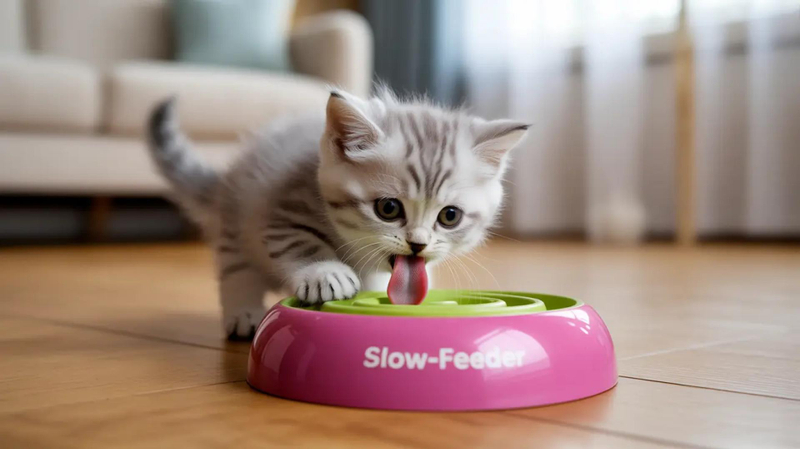
If you’ve noticed your kitten farting more than you expected, you’re not alone. Flatulence — especially when it becomes smelly, frequent, or accompanied by other symptoms — can be a sign that something in your kitten’s digestive system isn’t quite balanced. Understanding kitten farting involves looking at diet, digestion, behaviour, and sometimes underlying health issues.
Unlike adult cats, kittens are still developing their digestive systems. Their bodies are learning how to break down food properly and absorb nutrients efficiently. During this developmental period, gas production can be more noticeable, but that doesn’t mean discomfort should be ignored.
Why Kitten Farting Happens
Gas in the digestive tract occurs when bacteria break down food during digestion. In kittens, the digestive environment is still maturing, and this can lead to excess gas for a few reasons.
Dietary Causes
One of the most common causes of gas is diet. Kittens have delicate stomachs, and certain foods can be harder for them to digest. Foods that are high in carbohydrates, contain dairy, or are rich in fillers such as corn or soy may ferment in the gut instead of being fully digested, leading to gas buildup. Changes in food brands or formulas can also disrupt the balance of gut bacteria.
Some kittens are also sensitive to lactose. Dairy products — even small amounts of milk or cheese — can lead to bloating and gas because most cats produce low levels of lactase, the enzyme needed to break down lactose.
Rapid Eating Habits
Kittens often eat quickly — especially in multi‑cat environments or when they’re highly enthusiastic about mealtime. Eating too fast causes them to swallow air along with food, and this trapped air can contribute to flatulence later.
Food Intolerance and Allergies
Food intolerances or sensitivities may also cause gas. When a kitten’s gut doesn’t agree with a specific ingredient — such as certain proteins or grains — it can lead to incomplete digestion, resulting in gas and sometimes diarrhea.
Imbalanced Gut Bacteria
Kittens have an evolving gut microbiome, and imbalances in beneficial bacteria can lead to more gas production. This imbalance can occur after a course of antibiotics, illness, or abrupt dietary change.
Parasites and Intestinal Issues
In some cases, persistent or severe gas is linked to intestinal parasites, infections, or inflammatory conditions. Common parasites like roundworms, giardia, or coccidia can interfere with digestion and cause gas, diarrhea, and discomfort. These issues usually require veterinary treatment.
How Kitten Gas Is Different From Adult Cat Gas
While adult cats can also experience gas, the causes in kittens are often related to their developing digestive tract. Older cats typically have established gut flora and stronger digestive enzymes, making them less likely to produce excess gas from a standard diet.
Because of this, kitten farting that is sudden, very strong, or associated with other signs of illness suggests something more than normal digestive noise — and it’s worth monitoring closely.
Practical Ways to Reduce Flatulence in Kittens
You can often improve gas issues through diet and feeding habits:
Slow Down Mealtimes: Use puzzle feeders or spread food out on a flat surface to discourage rapid eating and reduce swallowed air.
Choose High‑Quality Kitten Food: Look for options with easily digestible proteins and minimal fillers. Foods specifically formulated for kittens support digestive development and nutrient absorption.
Introduce Food Slowly: When changing diets, mix the old and new foods over several days to allow the digestive system to adjust.
Avoid Dairy and Table Scraps: Since many kittens struggle with lactose, avoid milk and cheese unless it’s a specially formulated kitten lactose‑free product.
In some cases, your veterinarian may suggest a probiotic supplement to support healthy gut flora — but always consult your vet before adding supplements.
When Kitten Farting Becomes a Concern
Occasional gas is usually not a problem, but certain signs suggest that your kitten needs veterinary evaluation. These include:
- Persistent or very foul‑smelling gas
- Diarrhea or soft stools
- Vomiting
- Lethargy
- Loss of appetite
- Abdominal bloating or discomfort
If you notice these symptoms along with gas, it could be related to intestinal parasites, food intolerance, or even an infection. Early diagnosis and treatment improve outcomes and comfort.
A trusted guideline from Pets Care emphasizes that while some gas is normal in kittens, consistent digestive upset should not be ignored.
Veterinary Diagnosis and Treatment Options
Your veterinarian will likely start with a physical exam and ask questions about your kitten’s diet, stool consistency, activity level, and the frequency of gas. A stool sample may be tested for parasites, bacteria, and other pathogens. Based on findings, treatment may include:
Medication to eliminate parasites
Dietary changes or hypoallergenic formulas
Probiotics or digestion‑supporting supplements
Fluid therapy if dehydration is present due to diarrhea
In rare cases, further diagnostics such as bloodwork or imaging may be recommended if other symptoms suggest a deeper issue.
Supporting Your Kitten’s Digestive Health at Home
Beyond addressing immediate gas, a healthy digestive foundation helps prevent future issues. Provide fresh water at all times, maintain regular feeding schedules, and ensure your kitten has a calm, stress‑free environment. Stress can affect digestion just as food choices do, so a peaceful space supports overall gut function.
Regular veterinary checkups in the first year help track growth, nutrition, and intestinal health — including early detection of parasites or sensitivities that could contribute to gas.
Final Thoughts
Gas in kittens — or kitten farting — can range from normal developmental digestive noise to a sign of a dietary or health concern. Observing patterns, stool quality, behavior, and appetite helps you understand what’s typical and what needs attention. With the right diet, gradual feeding habits, and close observation, many gas issues can be resolved or managed effectively. When in doubt, timely veterinary evaluation protects your kitten’s wellbeing and comfort.
Frequently Asked Questions (FAQs)
Q: Is occasional gas normal in kittens?
Yes — some gas is normal, especially as kittens’ digestive systems develop. But frequent or very foul gas may warrant further evaluation.
Q: Can diet change reduce kitten gas?
Often yes. Switching to a high‑quality kitten food with easily digestible ingredients and limited fillers helps reduce digestive gas.
Q: Are probiotics safe for kittens?
Probiotics can support gut health, but always consult a veterinarian before adding any supplement.
Q: Could gas be caused by worms?
Yes — intestinal parasites often cause gas, diarrhea, and bloating. A vet can test and treat parasites safely.
Q: When should I see a vet for kitten gas?
Seek veterinary care if gas is persistent, accompanied by diarrhea, vomiting, lethargy, or loss of appetite.