



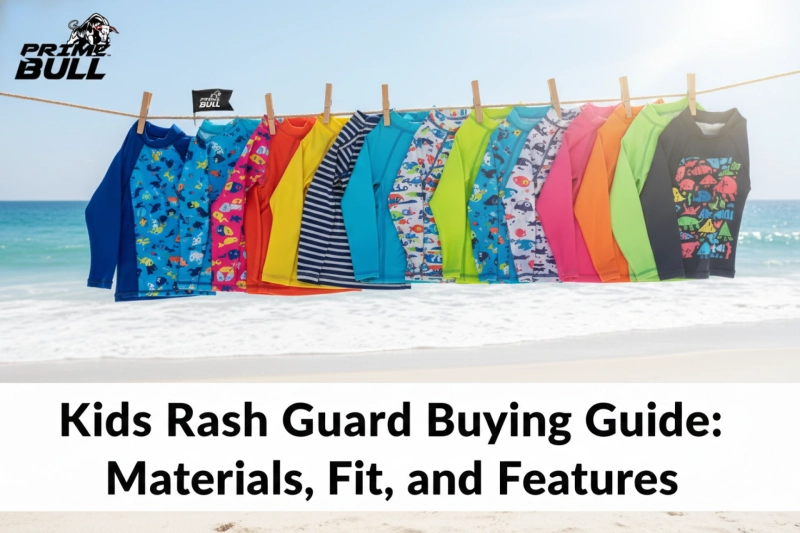
Kids are increasingly participating in swimming, surfing, water sports, and other outdoor activities. A childrens rash guard is an essential piece of athletic gear that protects them from sunburn, irritation, and abrasions while ensuring comfort and flexibility. Choosing the right rash guard is crucial for both safety and performance.
This guide covers materials, fit, features, and care tips to help parents select the perfect rash guard for their child.
1. What Is a Kids Rash Guard?
A rash guard is a specialized athletic top designed to protect the skin from rashes, sun exposure, and irritation caused by friction. It is commonly used in:
- Swimming
- Surfing
- Stand-up paddleboarding
- Brazilian Jiu-Jitsu and other martial arts
- Outdoor activities like beach games
Unlike regular t-shirts, rash guards are made from stretchy, quick-drying fabrics that allow full range of motion while keeping kids comfortable.
2. Benefits of Kids Rash Guards
Rash guards offer multiple advantages:
- Sun Protection: Many rash guards come with UPF 50+ ratings to protect kids from harmful UV rays.
- Skin Protection: Prevents chafing from wetsuits, boards, or mats.
- Temperature Regulation: Helps maintain body warmth in cooler water conditions.
- Comfort and Flexibility: Stretchy fabrics allow unrestricted movement for active kids.
- Durability: High-quality rash guards withstand frequent washing and wear.
3. Understanding Rash Guard Materials
The material of a kids rash guard determines its comfort, performance, and durability. The most common materials include:
a. Polyester
- Lightweight and breathable.
- Dries quickly.
- Resistant to shrinking and stretching.
- Often blended with spandex for added flexibility.
b. Spandex (Elastane / Lycra)
- Provides stretch for unrestricted movement.
- Often blended with polyester or nylon for durability.
- Ensures snug fit without being too tight.
c. Nylon
- Smooth, soft texture.
- Durable and abrasion-resistant.
- Dries quickly and resists water absorption.
Tip: Most kids rash guards use polyester-spandex blends for comfort, durability, and flexibility.
4. Choosing the Right Fit
Proper fit is critical to ensure protection, comfort, and performance:
a. Length
- The rash guard should cover the torso completely.
- Short-sleeve vs. long-sleeve depends on sun exposure and activity type.
b. Sleeve Fit
- Sleeves should fit snugly without restricting movement.
- Long sleeves provide extra sun protection and reduce friction.
c. Torso Fit
- Should sit comfortably against the body.
- Avoid overly loose rash guards as they can cause chafing or drag in water.
d. Consider Growth
- Kids grow fast, so slightly larger sizes may be practical.
- Adjustable features like elastic hems help extend wearability.
5. Features to Look for in a Kids Rash Guard
Modern rash guards come with several features that enhance protection and usability:
a. UPF Sun Protection
- Look for UPF 50+ for maximum sun-blocking efficiency.
- Protects delicate skin from harmful UVA and UVB rays.
b. Flatlock Seams
- Reduces friction and irritation on the skin.
- Essential for sensitive areas like shoulders and underarms.
c. Quick-Dry Fabric
- Keeps kids comfortable after swimming or outdoor play.
- Prevents prolonged dampness that can cause rashes or discomfort.
d. Anti-Odor and Moisture-Wicking
- Helps control sweat and prevent bacteria growth.
- Keeps the rash guard fresh even after long training sessions.
e. Reinforced Panels
- Extra durability in high-stress areas like shoulders and elbows.
- Particularly useful for water sports or martial arts.
6. Choosing the Right Style and Sleeve Type
- Short-Sleeve Rash Guards: Best for swimming, warm weather, and recreational use.
- Long-Sleeve Rash Guards: Provides extra sun protection and prevents abrasions.
- Compression Fit: For sports like BJJ or surfing, snug-fitting rash guards enhance movement and prevent fabric from riding up.
- Loose Fit / Casual Fit: Comfortable for beach play or swimming lessons.
7. Size Guide Tips
- Always check the brand’s size chart. Kids of the same age may have different heights and weights.
- Measure chest, waist, and torso length for accurate sizing.
- Consider growth: a slightly larger size can be worn longer without compromising comfort.
8. Caring for Kids Rash Guards
Proper care extends the life of a rash guard and maintains its protective features:
- Wash in cold water to prevent shrinking.
- Air dry to maintain elasticity and shape.
- Avoid bleach or harsh detergents that damage fabric.
- Rinse after saltwater or chlorine exposure to preserve fabric quality.
- Store in a dry place to prevent mildew or odor buildup.
9. Budget Considerations
Kids rash guards are available in different price ranges:
- Budget-Friendly ($15–$25): Suitable for casual swimming or short-term use.
- Mid-Range ($25–$40): Better fabrics, UPF protection, and durability.
- Premium ($40+): High-quality materials, advanced features, and longer lifespan.
Investing in a quality rash guard ensures comfort, protection, and durability.
10. Safety Considerations
- Ensure the rash guard fits snugly to prevent catching or snagging.
- Choose non-toxic fabrics free of harmful chemicals.
- Confirm UPF protection for sun safety.
- Check for flatlock seams to reduce skin irritation.
11. Summary
Selecting the right kids rash guard involves understanding materials, fit, features, and maintenance. A properly chosen rash guard protects children from sun exposure, abrasions, and discomfort while allowing full mobility for sports and outdoor activities.
Quick Tips for Parents:
- Opt for polyester-spandex blends for flexibility and durability.
- Use UPF-rated rash guards for sun protection.
- Choose the right size, considering growth.
- Look for flatlock seams and reinforced panels for durability and comfort.
- Wash and air dry to maintain performance and longevity.
With the right rash guard, your child can enjoy swimming, surfing, martial arts, or outdoor activities safely and comfortably.