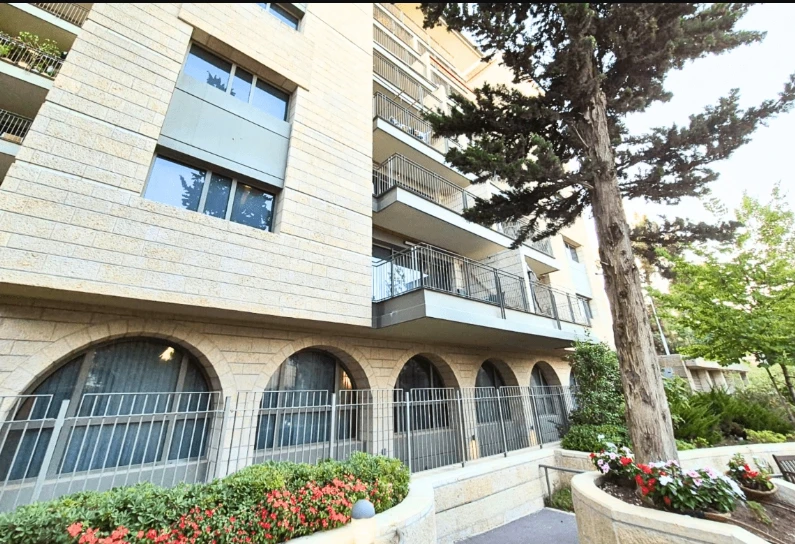
Jerusalem, one of the world’s most historic and culturally rich cities, continues to be a magnet for property investors and homeowners alike. The Jerusalem Real Estate market has shown steady growth over the past decade, fueled by strong local demand, international interest, and continuous urban development. Whether for personal residence, investment, or cultural connection, the city’s real estate sector offers unmatched potential.
This article explores the key factors driving demand in Jerusalem Real Estate, helping buyers and investors understand why the city remains one of the most desirable property markets in the Middle East.
1. Historical and Cultural Significance
Jerusalem’s deep historical and religious roots make it one of the most unique cities in the world. For centuries, it has been a spiritual center for Judaism, Christianity, and Islam.
- The city attracts millions of visitors every year who come to experience its historical landmarks.
- Many buyers view owning property here as both a cultural privilege and a lasting legacy.
- International investors often see real estate in Jerusalem as a rare opportunity to hold a piece of world heritage.
This emotional and spiritual connection keeps demand for homes high, particularly in areas near the Old City, Rehavia, and Talbiya.
2. Limited Land Availability
One of the strongest factors influencing demand in Jerusalem Real Estate is the scarcity of available land. The city’s strict zoning laws and preservation of historical sites limit new construction opportunities.
- With limited space for new developments, existing properties appreciate in value over time.
- Buyers and investors compete for high-demand neighborhoods, pushing prices upward.
- Renovation and redevelopment projects are common, as owners look to modernize older properties within city limits.
This supply constraint ensures that demand remains consistently strong, even during global economic fluctuations.
3. Economic and Infrastructure Growth
Jerusalem has evolved beyond being a cultural and political capital—it is also becoming an economic hub. In recent years, the city has seen substantial investment in infrastructure, transportation, and technology.
- Light Rail Expansion: The city’s light rail system connects key neighborhoods and boosts accessibility, enhancing property values near stations.
- Business and Tech Growth: Jerusalem’s tech sector, particularly in biotech and AI startups, is attracting professionals who seek modern housing options.
- Public Infrastructure: New roads, public parks, and urban projects contribute to a higher quality of life, increasing demand for nearby properties.
These advancements make the city more livable and appealing to both residents and foreign investors.
4. Strong Educational and Healthcare Systems
Jerusalem is home to some of Israel’s most prestigious institutions, including the Hebrew University of Jerusalem, Hadassah Medical Center, and several international schools.
- Educational Access: Families prioritize areas near reputable schools and universities, making such neighborhoods especially attractive for long-term residence.
- Healthcare Excellence: The presence of world-class hospitals and research facilities adds immense value to the city’s livability.
These elements make Jerusalem a preferred location for families, academics, and professionals, maintaining steady demand across all property types.
5. Foreign Investment and Global Interest
The appeal of Jerusalem extends far beyond Israel’s borders. Many international buyers—especially from North America and Europe—purchase properties as vacation homes, long-term investments, or retirement residences.
- Investors are drawn to the city’s stability and consistent property appreciation.
- The strong currency performance and limited supply further increase long-term returns.
- Luxury developments and high-end apartments cater specifically to foreign buyers seeking modern comfort with traditional charm.
This global interest adds depth to the market and ensures that demand remains steady, even in periods of local slowdown.
6. Lifestyle and Quality of Living
Modern Jerusalem offers a unique blend of heritage, culture, and contemporary living. Residents enjoy access to both traditional marketplaces and modern malls, alongside world-class restaurants, art galleries, and cultural festivals.
- The city’s neighborhoods are known for their distinct characters—each offering a different lifestyle.
- Areas like the German Colony and Baka attract young families and professionals.
- Older, more traditional districts remain popular among those seeking authenticity and community.
The balance between old and new makes Jerusalem’s real estate market appealing to a wide variety of buyers.
7. Government Policies and Incentives
The Israeli government actively supports urban renewal and housing projects within Jerusalem. Incentives for developers and tax benefits for certain investments have helped stimulate construction and renovation.
- Urban Renewal Projects: Revitalizing older buildings increases both supply and value in central areas.
- Tax Incentives: Some property investors benefit from tax reductions or exemptions under specific housing programs.
- Public Investment: Continued government funding in infrastructure ensures long-term property stability.
These measures contribute to a sustainable real estate market, encouraging both local and foreign participation.
8. The Rise of Modern Developments
While Jerusalem is known for its ancient beauty, modern architectural developments are reshaping its skyline. High-rise buildings, eco-friendly designs, and smart-home integrations are becoming more common.
- Developers are balancing modern design with traditional aesthetics.
- New projects focus on sustainability, energy efficiency, and smart technology.
- Such developments attract younger generations and international buyers seeking contemporary living spaces.
Modern luxury housing options have become a symbol of progress and innovation within the Jerusalem Real Estate sector.
Key Takeaways
- Cultural Heritage: Jerusalem’s spiritual and historical value keeps long-term demand strong.
- Limited Supply: Restricted land availability drives property value appreciation.
- Infrastructure Growth: Modern transport and tech advancements enhance living standards.
- Global Demand: Foreign investors play a major role in sustaining market activity.
- Modernization: Smart and sustainable housing attracts new generations of buyers.
Final Thoughts
Jerusalem’s real estate market continues to thrive because it represents far more than just property ownership—it’s a connection to history, culture, and community. The city’s mix of old-world charm and modern innovation ensures that demand will remain resilient for years to come.
For those looking to explore opportunities in this thriving market, professional real estate guidance can make all the difference. Experts like JHomes help buyers navigate the complexities of the Jerusalem market, ensuring smart and secure investments.