



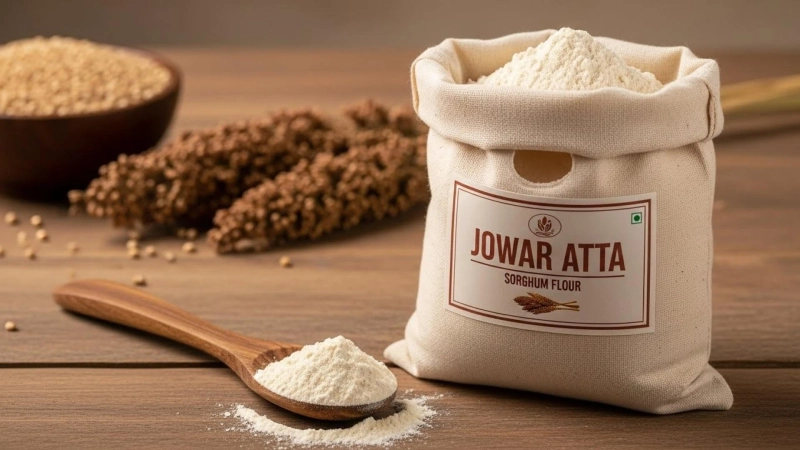
In recent years, people across India have started rethinking what goes on their plates. Refined grains are slowly giving way to whole, traditional alternatives that promise better health without compromising on taste. Among these time-honoured grains, millets have reclaimed their rightful place in modern kitchens. One such staple, often praised for its nutrition, versatility, and sustainability, is jowar flour—more popularly known today as Jowar Atta.
Once considered a rural or “desi” grain, jowar has now become a preferred choice for fitness enthusiasts, health-conscious families, and those looking for natural dietary solutions. From soft rotis to innovative baked goods, it fits seamlessly into daily meals. In this in-depth guide, 10on10foods brings you everything you need to know: what makes jowar special, its nutritional profile, health benefits, culinary uses, storage tips, and how to select the best quality flour for your home.
Understanding Jowar: A Traditional Grain for Modern Times
Jowar, also known as sorghum, has been cultivated in India for thousands of years. It thrives in semi-arid climates and requires minimal water compared to wheat or rice. Historically, it was a staple grain in regions like Maharashtra, Karnataka, Telangana, and parts of Rajasthan.
What sets jowar apart is its adaptability. Farmers value it for its resilience, while consumers appreciate its neutral flavour that works across both savoury and sweet dishes. As dietary awareness has grown, this humble millet has found its way back into urban kitchens, promoted as a wholesome alternative to refined flours.
Nutritional Profile: What Makes Jowar Flour So Valuable?
Jowar is naturally rich in nutrients that support overall well-being. A typical serving offers:
- Complex Carbohydrates: Provide sustained energy without sudden spikes in blood sugar.
- Dietary Fibre: Helps improve digestion, promotes satiety, and supports gut health.
- Plant Protein: Contributes to muscle maintenance and repair.
- Essential Minerals: Iron, magnesium, phosphorus, and potassium support metabolic and cardiovascular functions.
- B-Complex Vitamins: Important for energy production and nervous system health.
Another advantage is that jowar is naturally gluten-free, making it suitable for individuals with gluten intolerance or those following a gluten-free lifestyle.
Health Benefits of Including Jowar in Your Diet
1. Supports Digestive Health
The high fibre content aids smooth bowel movements and prevents common digestive issues like constipation. Regular consumption helps maintain a healthy gut environment.
2. Helps Manage Blood Sugar Levels
Jowar has a low glycaemic index, meaning it releases glucose slowly into the bloodstream. This makes it beneficial for people managing diabetes or trying to avoid energy crashes after meals.
3. Aids Weight Management
Fibre-rich foods keep you fuller for longer. Incorporating jowar-based meals can reduce unnecessary snacking and support portion control.
4. Promotes Heart Health
Magnesium and potassium in jowar help regulate blood pressure, while dietary fibre assists in lowering LDL (bad cholesterol).
5. Boosts Immunity
Its antioxidant compounds help fight free radicals in the body, supporting overall immunity and reducing oxidative stress.
Why Jowar Fits Perfectly into Indian Diets
India’s culinary tradition is built around diversity. Jowar flour blends effortlessly into this framework because of its mild taste and versatility.
- Cultural Relevance: Jowar bhakri, rotis, and porridge have been consumed for generations.
- Adaptability: Can be used for breakfast, lunch, dinner, or snacks.
- Regional Acceptance: Popular across multiple states with unique preparation styles.
In today’s health-oriented environment, this grain offers a way to reconnect with traditional eating habits while meeting modern nutritional expectations.
Culinary Uses: From Rotis to Creative Recipes
One of the biggest strengths of jowar flour is its ability to transform into a variety of dishes.
Everyday Staples
- Rotis/Bhakri: Soft, filling flatbreads that pair well with vegetables, dals, and curries.
- Dosas and Chillas: A nutritious twist on classic breakfast items.
- Upma and Porridge: Light, nourishing options for a balanced start to the day.
Baked and Modern Dishes
- Cookies and Muffins: A healthier alternative to refined flour baking.
- Pizza Bases and Wraps: Ideal for those looking for gluten-free options.
- Pancakes: Light, fluffy, and nutrient-dense.
Snacks
- Crackers and Chips: Homemade versions ensure less oil and better ingredients.
- Steamed Dumplings: Stuffed with vegetables or lentils for a wholesome snack.
With a little experimentation, jowar can replace refined flours in most recipes without sacrificing taste or texture.
How to Cook with Jowar Flour: Tips for Best Results
Cooking with jowar requires slight technique adjustments:
- Use Warm Water: Helps bind the dough more effectively.
- Knead Gently: Over-kneading can make the dough dry.
- Rest the Dough: Allowing it to rest for 5–10 minutes improves pliability.
- Cook on Medium Heat: Prevents the flatbread from becoming brittle.
For baking, combining jowar flour with natural binders such as yogurt, eggs, or mashed fruits ensures better texture.
Sustainability: A Grain That’s Good for the Planet
Choosing jowar is not just a health decision—it is an environmental one too.
- Low Water Requirement: Compared to rice and wheat, jowar consumes significantly less water.
- Resilient Crop: Thrives in poor soil and drought-prone areas, reducing dependency on chemical fertilisers.
- Supports Local Farmers: Promotes indigenous agriculture and rural livelihoods.
By including this millet in your diet, you contribute to a more sustainable food system.
How to Choose High-Quality Jowar Flour
When buying jowar flour, keep these factors in mind:
- Freshness: Look for recently milled flour for better flavour and nutrition.
- Texture: Fine, uniform texture indicates proper grinding.
- Colour: Should be pale white to light beige, free from dark specks.
- Packaging: Airtight packaging prevents moisture and contamination.
- Source: Opt for trusted brands committed to quality and purity.
At 10on10foods, quality is a priority. Every batch is carefully processed to preserve natural nutrients while ensuring hygiene and consistency.
Storage Tips to Maintain Freshness
Proper storage ensures that jowar flour retains its nutritional value:
- Store in an airtight container.
- Keep in a cool, dry place away from sunlight.
- For longer shelf life, refrigeration is recommended.
- Avoid moisture to prevent spoilage or insect infestation.
When stored correctly, the flour can remain fresh for several months without losing its aroma or taste.
Jowar vs Wheat: Which Is Better?
AspectJowarWheatGlutenNaturally gluten-freeContains glutenFibreHighModerateGlycaemic IndexLowMediumWater RequirementLowHighDigestibilityLight on the stomachCan be heavy for some
While wheat remains a common staple, jowar provides an excellent alternative for those seeking better digestion, blood sugar control, and dietary diversity.
Who Should Include Jowar in Their Diet?
- Fitness Enthusiasts: For sustained energy and muscle support.
- Diabetics: Due to its low glycaemic impact.
- Weight Watchers: High satiety helps manage calorie intake.
- Gluten-Sensitive Individuals: A safe, natural choice.
- Families Seeking Balanced Nutrition: Suitable for all age groups.
Simple Meal Plan Ideas with Jowar
Breakfast:
Jowar pancakes with fruits and nuts
Lunch:
Jowar rotis with seasonal vegetables and lentil curry
Snack:
Homemade jowar crackers with hummus
Dinner:
Stuffed jowar wraps with sautéed vegetables
This structure ensures variety while keeping nutrition at the forefront.
Why Choose 10on10foods for Your Millet Needs?
At 10on10foods, we believe healthy eating should be accessible, natural, and reliable. Our approach focuses on:
- Carefully sourced grains
- Hygienic processing
- Nutrient-preserving techniques
- Consistent quality checks
Our commitment ensures that every pack you bring home aligns with your health goals and culinary expectations.
Final Thoughts
Reintroducing millets into everyday meals is more than a dietary trend—it is a return to balanced, sustainable living. Whether your goal is better digestion, improved heart health, or simply exploring wholesome food choices, Jowar Atta offers a powerful combination of nutrition, versatility, and environmental responsibility.
By choosing trusted sources like 10on10foods and incorporating jowar into your daily cooking, you take a meaningful step toward a healthier plate and a more sustainable future.