



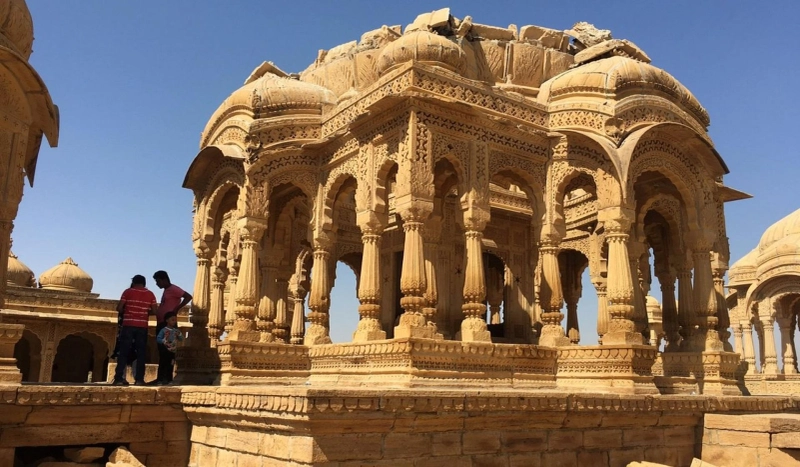
Jaisalmer, famously known as the "Golden City" of India, transforms into a magical desert paradise during the winter months. From the towering ramparts of the ancient fort to the rhythm of folk music under starry skies, winter brings out the true soul of this Rajasthani gem. Travelers seeking authenticity, cultural richness, and warmth amidst the dunes will find the winter season in Jaisalmer a perfect invitation to explore the region. Whether you're captivated by grand forts or seeking immersive experiences like a Rajasthan Desert Adventure Tour, this time of year offers an ideal blend of exploration and relaxation.
Why Winter is the Best Time to Visit Jaisalmer
Temperatures in Jaisalmer drop significantly from November through February, making the climate pleasant for daytime sightseeing and comfortable for nighttime desert camping. Unlike the blistering summer heat, winter lets visitors experience outdoor attractions without exhaustion. This climate sets the perfect stage for exploring historical landmarks, enjoying cultural festivals, and indulging in authentic Rajasthani cuisine.
Cultural Splendor: Jaisalmer’s Winter Festivals
One of the most iconic winter highlights is the Jaisalmer Desert Festival, typically held in February. The festival brings together traditional music, camel races, folk performances, and handicraft bazaars in a vibrant display of local culture. Tourists from across the globe gather at the Sam Sand Dunes to witness turban tying competitions, puppet shows, and fire dances under the desert sky.
Another winter event worth attending is Makar Sankranti, celebrated with colorful kites soaring across the sky. This festival, marking the arrival of longer days, is not just a religious occasion but a community experience shared with music, feasts, and joy. Visitors can partake in these events to experience a deeper cultural connection with the locals.
Exploring Jaisalmer Fort and Architectural Heritage
The mighty Jaisalmer Fort, also called Sonar Quila, stands as one of the few living forts in the world. This UNESCO World Heritage Site is home to shops, temples, homes, and restaurants, making it a bustling hub of heritage and daily life. Built in 1156 AD by Rawal Jaisal, the fort glows golden under the winter sun, providing an awe-inspiring backdrop for photography and exploration.
Within the fort’s walls, the Jain Temples and Raj Mahal Palace showcase exquisite carvings and architecture. Just a short walk from the fort, you’ll find Patwon Ki Haveli and Salim Singh Ki Haveli, each telling stories of prosperous merchant families and their influence in Jaisalmer’s trading history.
Travelers interested in heritage trails can opt for a curated Rajasthan Heritage Tour that includes Jaisalmer along with other culturally rich cities like Udaipur, Jaipur, and Bikaner. These tours provide guided insight into architecture, history, and local customs, all while ensuring convenience and comfort.
Desert Nights: Camping Under the Stars
Winter nights in the Thar Desert are nothing short of magical. As temperatures drop and the desert breeze sets in, visitors gather around bonfires for folk music, Rajasthani dance, and warm local cuisine. Many desert camps near Sam and Khuri offer luxury tents with modern amenities and traditional decor, allowing for a blend of comfort and authenticity.
Jeep safaris and camel rides are a favorite among visitors, giving a unique view of the golden dunes at sunset. These experiences not only provide thrill but also allow a deeper appreciation of the desert landscape. For travelers seeking such curated experiences, connecting with a trusted Tour operator in Rajasthan ensures safe, immersive, and memorable desert adventures.
Local Flavors and Handicrafts
Winter is also the best season to savor Rajasthani delicacies. Dishes like Ker Sangri, Dal Baati Churma, and Laal Maas are best enjoyed in the cool desert air. Many local eateries and heritage hotels offer traditional thalis that reflect the rich culinary heritage of the region.
Shopping in Jaisalmer is another delight during winter. Local markets like Sadar Bazaar and Pansari Bazaar come alive with colorful textiles, embroidered jackets, camel leather goods, and handcrafted jewelry. Supporting local artisans not only brings home a piece of Rajasthan but also contributes to preserving its artistic traditions.
Photography, Stargazing, and Serenity
Photographers and travel bloggers often find winter in Jaisalmer ideal for capturing dramatic landscapes. The golden hue of the city, paired with clear skies and soft winter light, makes every frame picture-perfect. For stargazers, the remote desert locations offer unobstructed views of the night sky, making it a great destination for astrophotography and quiet reflection.
Even for those who are not photography enthusiasts, simply walking through the narrow lanes of Jaisalmer during a crisp winter morning can be a deeply enriching experience.
Responsible Travel and Cultural Respect
While winter is a busy season, it’s important for travelers to respect local customs and traditions. Dressing modestly, supporting local guides, and choosing eco-conscious desert camps can go a long way in preserving Jaisalmer’s cultural and environmental integrity. Engaging with local communities during festivals and experiences helps foster mutual respect and understanding.
Conclusion: A Season of Memories
From the golden ramparts of Jaisalmer Fort to the vibrant energy of desert festivals, winter in Jaisalmer is a season of stories waiting to unfold. Whether you’re drawn by history, culture, or nature, the city offers an experience that’s immersive and unforgettable. With the right planning and guidance, a trip to Jaisalmer in winter becomes more than just a vacation—it becomes a journey into the heart of Rajasthan’s living heritage.