


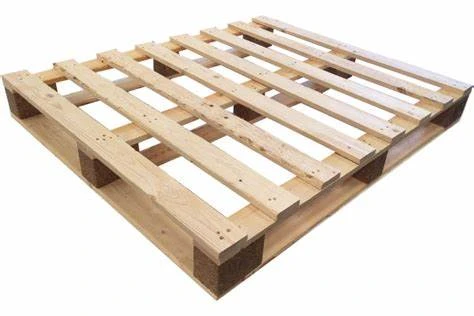
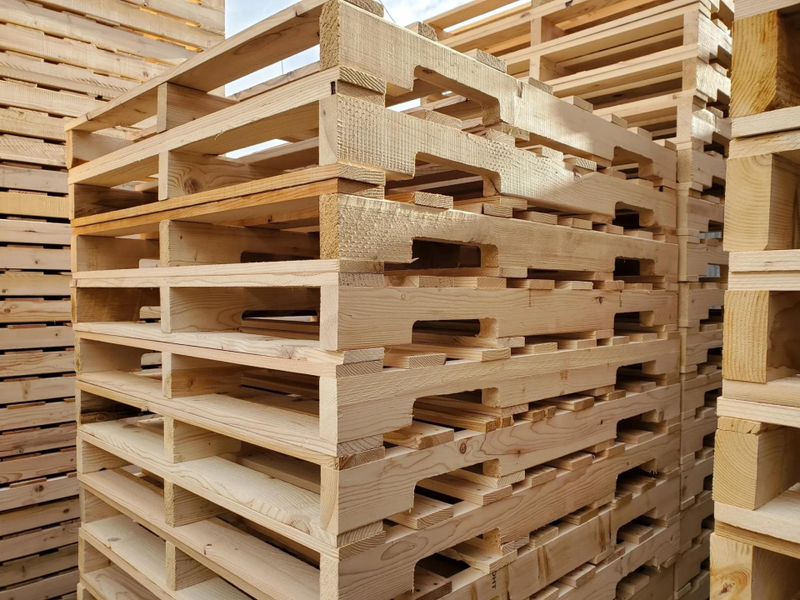
Exporting goods and items involves considering the logistics and shipping costs. It is important for every company to ensure that its export pallets comply with international standards and regulations. These international regulations, known as ISPM-15, are designed to protect your shipment from quarantine issues, fines, and rejections. This report covers some details on preparing your pallets accurately for export reasons to save time, money, and stress. You can confidently keep your goods safe during transit with the details presented in this report.
IMPORTANCE OF ISPM-15
ISPM-15 refers to International Standards for Phytosanitary Measures – Number 15, and it is a set of rules for treating wooden packaging materials. The goal is to prevent pests and diseases from spreading across borders. Any company using wooden export pallets, second hand pallets, or even lightweight pallets must ensure that these pallets have an official ISPM-15 stamp. Non-compliant pallets will have to face quarantine, detention, shipment release, and costly replacement. Staying ISPM-15 compliant is mandatory, and countries worldwide enforce these standards very strictly.
ISPM-15 standards apply to all wooden export pallets used for shipping purposes. Numerous compliant options are used, and the details are provided below.
HEAT TREATED EXPORT PALLETS
Heat treatment involves heating export pallets and lightweight pallets to a core temperature of 56 degrees Celsius for almost 30 minutes. This is a widely accepted method and is considered the most environmentally friendly and reliable.
FUMIGATING EXPORT PALLETS
The process of fumigation involves treating export pallets and second hand pallets with methyl bromide gas to eliminate pests and the chances of their growth. This is an effective method, but it is less common due to chemical regulations from different countries.
LIGHTWEIGHT PALLETS
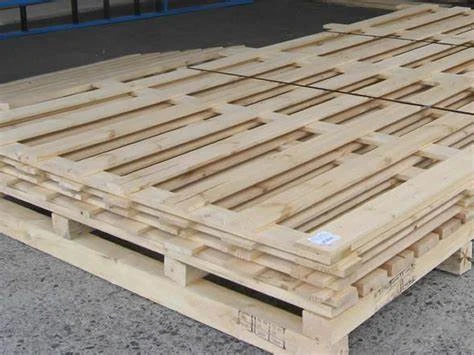
Lightweight pallets are made from engineered wood and are used ‘new’ each time to comply with ISPM-15 standards. The best feature is that shipping costs are significantly reduced.
Selecting the right one depends on your cargo type, destination country, and your budget. The last option, i.e., lightweight pallets, is the most impressive, as they can save on freight charges while remaining compliant with ISPM-15 standards.
COMPLIANCE CHALLENGES ASSOCIATED WITH SECOND HAND PALLETS
Second hand pallets are undoubtedly useful, but they are often associated with compliance risks. Pallets previously used in domestic shipping can carry pests, and they can violate ISPM-15 regulations. Using second hand pallets and ISPM-15 compliant export pallets involves –
- Inspecting for visible damage and signs of contamination
- Applying heat treatment or approved fumigation to eliminate the chances of pests completely
- Ensuring that the ISPM-15 certification is present and clearly visible
Proper handling and treatment of second hand pallets is important to reduce costs while maintaining compliance.
WHAT ARE THE BENEFITS OF USING ISPM-15 COMPLIANT EXPORT PALLETS?
Using ISPM-15 compliant export pallets comes with several advantages, and some are listed below.
You can avoid shipment delays completely as customs inspections are smoother and holdups are reduced.
Properly treated second hand pallets and export pallets can protect your goods, as there will be fewer chances of pest infestation damaging the cargo goods.
The stress related to liability is reduced, and this is a significant thing as non-compliance can result in fines or rejections.
Using heat-treated or reusable export pallets reduces waste compared to single-use timber pallets, and in this way, they support sustainability.
Investing in the right export pallets and ensuring compliance will protect your shipment and also strengthen your reputation among international buyers.
MARKING AND DOCUMENTATION
Every export pallet must carry the official ISPM-15 mark, which includes:
- IPPC logo
- Country code
- Treatment method (HT for Heat-Treated or MB for Fumigated)
- Unique supplier or facility code
FAQs
CAN ALL WOODEN PALLETS BE USED FOR EXPORT?
- Only ISPM-ISPM-15-compliant pallets are allowed for international shipping.
- Domestic pallets must be treated and stamped.
WHAT IS THE DIFFERENCE BETWEEN ‘HT’ AND ‘MB’ PALLETS?
- ‘HT’ pallets are heat-treated to kill pests, while ‘MB’ pallets are fumigated with Methyl Bromide.
- Both methods meet ISPM-15 standards.
CAN I USE SECOND-HAND PALLETS FOR EXPORTS?
- Yes, if they are inspected, treated, and stamped according to ISPM-15 requirements.