


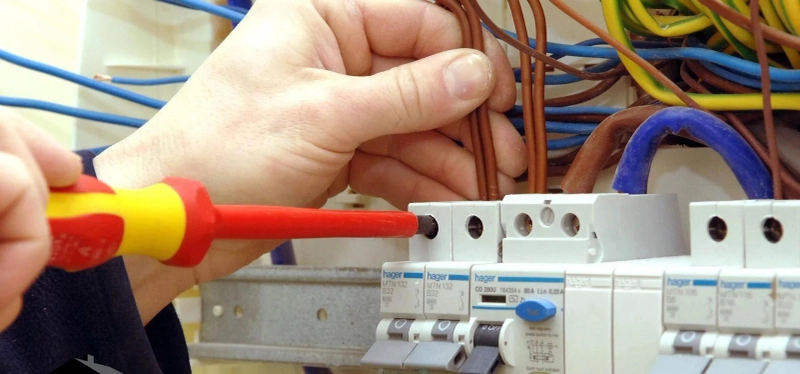
Electricity powers our homes, offices, and industries, but it can also hide silent dangers behind walls, panels, and equipment. Faulty wiring, loose connections, or overloaded circuits may not show visible warning signs until it’s too late. Fires, equipment breakdowns, and costly downtime often start from these unseen issues.
This is where electrical infrared inspection comes to the rescue, offering a smart, non-invasive way to identify hidden electrical problems before they cause damage.
The Hidden Risks in Your Electrical System
Every electrical system, no matter how well maintained, experiences wear and tear over time. Components loosen, insulation degrades, and circuits get overloaded. These problems create hot spots, areas where electrical resistance increases and generates excessive heat.
You can’t see this heat with your eyes, but an infrared camera can.
Left unchecked, these hotspots can lead to serious hazards such as:
· Electrical fires caused by overheated wires and panels
· Unexpected equipment failure disrupting operations
· Energy loss from inefficient electrical performance
· Increased maintenance costs due to reactive repairs
The best news is that most of these issues can be detected early through electrical infrared analysis, long before they turn into emergencies.
What Is Electrical Infrared Inspection?
Electrical infrared inspection, sometimes called electrical thermography, uses advanced infrared cameras to scan electrical components and capture heat signatures. Instead of opening panels or shutting down systems, technicians perform a safe, non-contact scan while equipment is running.
The infrared images display temperature variations, allowing experts to pinpoint abnormal heat patterns. These patterns reveal problems such as:
· Loose or corroded connections
· Overloaded circuits
· Faulty breakers or fuses
· Worn insulation
· Unbalanced loads
Once identified, these issues can be repaired or replaced before they cause system failure.
Why Infrared Analysis Is So Effective
Traditional maintenance often depends on visual checks or scheduled servicing. However, many electrical faults start internally and give no visible warning until failure occurs. Electrical infrared analysis fills this gap by detecting early-stage problems invisible to the human eye.
Key benefits include:
1. Initial Detection of Hidden Faults: Identify overheating components before they fail.
2. Preventive Maintenance: Schedule repairs proactively, reducing emergency calls and downtime.
3. Enhanced Safety: Prevent fires and electrical hazards that endanger property and lives.
4. Cost Savings: Fix small issues before they become expensive repairs or replacements.
5. Energy Efficiency: Ensure all components run at optimal temperatures, reducing wasted energy.
By incorporating infrared inspections into your regular maintenance plan, you make your electrical system safer, more efficient, and more reliable.
Where Electrical Infrared Inspections Are Most Useful
Infrared inspections are beneficial in nearly every environment that relies on electrical systems, residential, commercial, and industrial alike. Some common areas include:
· Electrical panels and switchboards
· Transformers and circuit breakers
· Bus ducts and disconnect switches
· Motor control centers
· Lighting and HVAC systems
For industrial facilities, electrical infrared inspection is an essential part of predictive maintenance programs. It helps avoid costly shutdowns by catching problems early and ensuring equipment longevity.
What to Expect During an Infrared Inspection
A professional infrared inspection follows a systematic process:
1. Planning: The technician identifies target areas and ensures the system is safely operating under normal load.
2. Scanning: Using infrared cameras, they capture thermal images of all key electrical components.
3. Analysis: The images are reviewed to detect unusual temperature differences indicating possible faults.
4. Reporting: A detailed report is prepared, highlighting problem areas, temperature readings, and repair recommendations.
5. Action: The maintenance team uses this report to prioritize repairs and prevent future issues.
This non-destructive process is quick, accurate, and requires no system shutdown, making it highly practical for businesses and facilities of all sizes.
Concluding Words
Electrical issues rarely announce themselves before disaster strikes. But with electrical infrared analysis, you gain a powerful tool to see the unseen. Regular inspections not only protect people and property but also improve system reliability and reduce energy costs.
If you haven’t had an electrical infrared inspection recently, now is the time. Investing in preventive diagnostics today can save you from dangerous failures tomorrow. Let your electrical system work for you, not against you, keep it safe, efficient, and dependable through the power of infrared technology.