



Introduction
The concept of Halal, meaning permissible in Arabic, is a fundamental aspect of Islamic dietary laws. Muslims around the world adhere to strict guidelines when it comes to consuming food and beverages. Vanilla extract, a common kitchen ingredient known for its aromatic and flavor-enhancing properties, has sparked debates within the Muslim community regarding its Halal status. In this article, we delve into the intricacies of vanilla extract and its compatibility with Islamic dietary principles.
Understanding Vanilla Extract
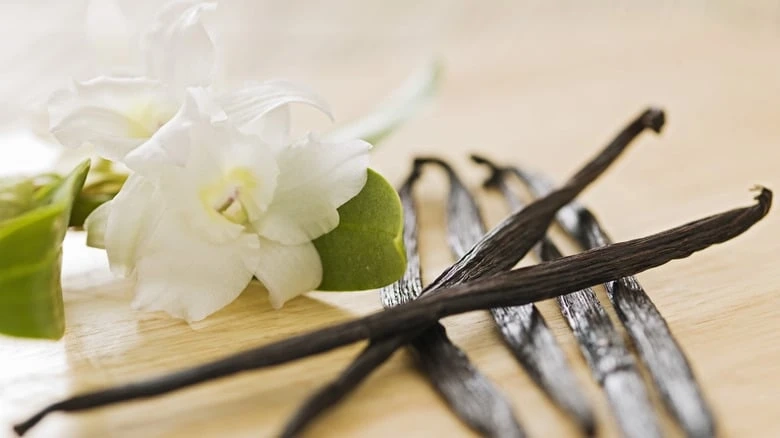
Vanilla extract is derived from the vanilla bean, the fruit of the vanilla orchid. The extraction process typically involves steeping the beans in alcohol, which acts as a solvent to draw out the flavor compounds from the vanilla pods. While vanilla extract is widely used in various culinary applications, the presence of alcohol raises questions among Muslims who follow Halal dietary guidelines.
Alcohol in Vanilla Extract
The primary concern surrounding the Halal status of vanilla extract is the presence of alcohol. Islam strictly prohibits the consumption of intoxicants, including alcoholic beverages. Therefore, any food or drink containing alcohol may be considered Haram (forbidden). In the case of vanilla extract, the alcohol used in the extraction process is not intended for intoxication but serves as a solvent.
Scholarly Opinions
Islamic scholars have differing opinions on the permissibility of consuming products containing alcohol that undergo a transformation, rendering them non-intoxicating. Some scholars argue that once alcohol undergoes a chemical transformation and is no longer capable of causing intoxication, it may be considered Halal. Others take a more conservative approach, asserting that any form of alcohol, regardless of its purpose or quantity, remains forbidden.
The Vanilla Extract Dilemma
Applying these perspectives to vanilla extract, the dilemma persists. While the alcohol in vanilla extract is not intended for intoxication and is present in trace amounts, the strict interpretation of Islamic dietary laws may lead some to consider it Haram. However, others argue that the transformation of alcohol during the extraction process should render the final product permissible.
Halal-Certified Vanilla Extract
Recognizing the concerns of the Muslim community, some manufacturers offer Halal-certified vanilla extract. These products undergo a specialized extraction process that eliminates the use of alcohol entirely. Instead, alternative solvents like glycerin or water are employed to extract the desired vanilla flavor. For individuals seeking to adhere strictly to Halal dietary guidelines, opting for Halal-certified vanilla extract provides a solution to the dilemma.
Educating the Community
The debate over the Halal status of vanilla extract highlights the importance of education within the Muslim community. Many individuals may not be aware of the intricacies involved in food processing and the potential presence of alcohol in seemingly harmless ingredients. It becomes crucial to raise awareness and provide information that empowers individuals to make informed choices in line with their religious beliefs.
Practical Considerations
While the theological debate continues, Muslims navigating the culinary landscape face practical considerations. Vanilla extract is a staple in many recipes, especially in baking, where its distinctive flavor is often irreplaceable. Muslims must balance their adherence to religious principles with the practicalities of everyday life, exploring alternatives or choosing products with Halal certification.
Conclusion
The question of whether vanilla extract is Halal or Haram in Islam involves a nuanced examination of Islamic dietary laws and the processes involved in its production. The presence of alcohol in traditional vanilla extract raises concerns, leading some to question its permissibility. However, the availability of Halal-certified alternatives demonstrates a commitment by manufacturers to address these concerns and provide products aligned with Islamic dietary guidelines. As the Muslim community continues to engage in discussions on such matters, education and awareness play a crucial role in helping individuals make choices that reflect their religious values while navigating the diverse world of culinary delights.