



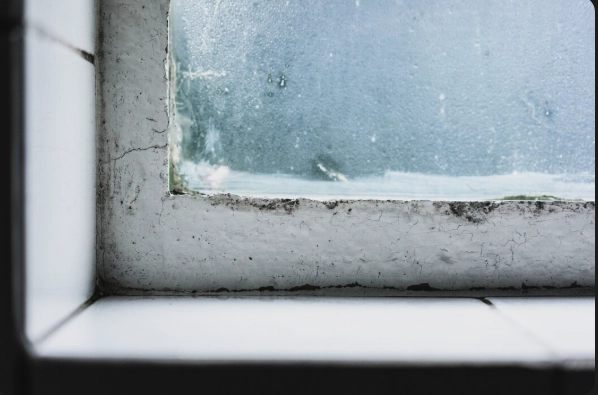
If you regularly wake up feeling congested, wheezy, or unusually tired, poor bedroom air quality could be the cause. Sleeping in a damp environment isn’t just uncomfortable—it can quietly impact your health, sleep quality, and overall wellbeing.
In this guide, Disaster Care Capital explains how damp bedrooms affect your health, why the problem occurs, and what steps you can take to fix it.
What Causes Damp in Bedrooms?
Damp in sleeping areas is commonly caused by:
- Condensation forming on windows and cold surfaces
- Poor insulation
- Leaking roofs, windows, or pipework
- High indoor humidity levels
- Inadequate ventilation
If your bedroom feels cold, clammy, or has a persistent musty smell, damp may already be present.
Health Effects of Sleeping in a Damp Room
1. Respiratory Problems
Damp conditions encourage mould, dust mites, and bacteria. Common symptoms include:
- Persistent coughing or sneezing
- Wheezing or breathlessness
- Aggravated asthma or bronchitis
2. Allergy Flare-Ups
Excess moisture allows allergens to thrive, often worsening hay fever, eczema, and other skin or allergy-related conditions.
3. Reduced Immune Defences
Long-term exposure to damp and mould can weaken your immune system, making you more prone to infections, colds, and ongoing fatigue.
4. Poor Sleep Quality
Stuffy air, odours, and discomfort in a damp bedroom can disturb sleep, leading to:
- Restless nights
- Headaches
- Daytime exhaustion
Signs Your Bedroom May Be Damp
Even without visible mould, the following signs may indicate a problem:
- Morning condensation on windows
- A lingering musty smell
- Peeling wallpaper or bubbling paint
- Cold or damp-feeling walls
- Symptoms that improve when you sleep elsewhere
How to Keep Bedrooms Dry and Prevent Damp
At Disaster Care Capital, we regularly help homeowners resolve damp issues. Practical steps include:
Improve Ventilation
Open windows daily for at least 15 minutes, even during colder months. Use extractor fans in bathrooms and kitchens.
Control Humidity
Aim to keep indoor humidity between 50–60%. A dehumidifier can help manage moisture levels effectively.
Address Leaks Promptly
Small leaks from roofs, windows, or pipes can quickly lead to mould growth if ignored.
Avoid Drying Laundry Indoors
If indoor drying is unavoidable, ensure good airflow and use a dehumidifier.
Allow Air Circulation
Position furniture slightly away from external walls to prevent trapped moisture.
Related reading: How Much Does a Damp Survey Cost?
How to Get Rid of Damp in a Bedroom
- Identify the root cause, such as condensation, leaks, or poor ventilation
- Increase airflow with regular window opening and extractor fans
- Use a dehumidifier to reduce excess moisture
- Maintain consistent heating to reduce condensation on cold surfaces
- Keep furniture away from walls
- Repair any leaks in windows, roofs, or pipework
- Treat existing mould with appropriate products and dry the area thoroughly
- Seek professional help if damp persists or appears structural
Frequently Asked Questions
Is sleeping in a damp room unhealthy?
Yes. Long-term exposure to damp can affect respiratory health, skin conditions, immunity, and sleep quality.
Can damp conditions affect bedding?
Yes. Damp environments promote mould growth, which can spread to bedding within 24–48 hours.
How can I tell if damp is affecting my health?
If symptoms improve when you sleep away from home or worsen at night, damp may be contributing.
What’s the best solution for bedroom damp?
Improving ventilation, controlling humidity, and repairing leaks are key. Professional treatment may be required if mould is present.
Is it safe to sleep with a dehumidifier running?
Yes, as long as the unit is properly maintained, suitable for the room size, and not set to excessively dry the air.
Can sleeping in a damp room cause coughing?
Yes. Damp air encourages mould, dust mites, and bacteria, which can irritate airways and trigger coughing.
Who is most at risk?
Children, elderly individuals, people with asthma, allergies, weakened immune systems, or existing respiratory conditions are most vulnerable.
What happens if you breathe in damp air?
Breathing damp air may expose you to mould spores and bacteria, causing irritation, allergic reactions, headaches, and worsening respiratory conditions over time.