


Rhinoplasty in Riyadh is a popular procedure for those seeking to improve appearance or address functional breathing problems. The most frequently asked question before making a decision is: Is the procedure painful? In this guide, we'll explain exactly what to expect in terms of pain before, during, and after surgery, and how to manage post-operative pain to ensure the safest and most comfortable experience possible.
What is the nature of rhinoplasty pain?
The pain associated with rhinoplasty is typically mild to moderate and peaks within the first 48–72 hours after surgery, then gradually subsides over the first week. Many patients describe the sensation as pressure, heaviness, and blockage rather than acute pain; this is due to internal swelling and external bandages or splints.
Do I feel pain during the procedure?
No. The procedure is performed under general anesthesia in most cases, or local anesthesia with sedation in select cases, meaning you won't feel pain during the procedure. Your surgeon and anesthesiologist will select the anesthesia protocol that best suits your safety and comfort, and your vital signs are monitored by the medical team at all times.
What increases or decreases pain after surgery?
Factors that reduce pain:
Adhere to the pain medication plan as prescribed by your doctor.
Use cold compresses for the first 48 hours (without applying them directly to the skin).
Keep your head elevated while sleeping to reduce swelling.
Avoid strenuous exercise, bending, and heavy lifting for the first week.
Factors that may increase discomfort:
Smoking or exposure to smoke (delays healing and increases swelling).
Not adhering to medication schedules or dosages.
Sleeping on your face, rubbing your nose, or removing your splint early.
Expected Pain Scale: Day by Day
The following scale is approximate, from 0 (no pain) to 10 (severe pain), and may vary from person to person.
Day 0–1: 3–5/10
Feeling of heaviness, nasal congestion, and mild headache. Prescribed pain relievers are usually well controlled.
Day 2–3: 4–6/10
Peak swelling and bruising around the eyes may increase the sensation of pressure. Continued pain medication and ice packs are helpful.
Day 4–7: 2–4/10
Discomfort begins to subside. Sleep and eating improve, but the blockage may persist.
Week 2: 1–3/10
Most patients return to their office jobs, with mild swelling that is sensitive to touch.
After Week 2: 0–2/10
Virtually no pain; slight swelling remains that gradually resolves over weeks to months.
What about splint or suture removal? Is it painful?
External splint: Most patients experience mild discomfort or a pulling sensation when removed, but no actual pain.
Sutures: If present, removal is quick and usually painless, with a mild stinging sensation lasting only a few seconds.
Internal cleaning: May cause temporary pressure or stinging, but is tolerable.
Types of Painkillers Used After Surgery
The doctor will use a gradual pain control protocol, such as:
Paracetamol as a regular primary option for the first few days.
NSAIDs (as determined by the doctor) to reduce pain and swelling.
Stronger, short-term painkillers for sensitive cases (usually less commonly used with the implementation of modern multimodal pain management protocols).
Saline sprays to moisturize the nasal cavities and reduce friction and congestion (not a painkiller, but they reduce discomfort).
Important: Strictly adhere to the dosage instructions and inform your doctor of any allergies or medications you are taking to avoid complications.
Pain varies depending on the surgical technique.
Open technique: May be accompanied by more swelling and slightly longer discomfort, but provides better visualization in complex cases.
Closed technique: Only internal incisions; often faster recovery and less discomfort.
Minimum procedures (only the tip of the nose): Typically less discomfort.
Minor Revisions: Discomfort may be slightly higher due to previous fibrosis.
Practical Tips to Reduce Pain and Discomfort
Sleep with your head elevated at a 30–45-degree angle for the first week.
Apply cold compresses for 10 minutes at intervals for the first two days (avoid wetting the splint).
Smart Nutrition: Soft meals rich in protein and vitamins to speed healing.
Hydration: Drink plenty of water and use a nasal saline rinse as directed.
Avoid Blowing Your Nose: Do not blow your nose during the first week; if you must, do so very gently.
Do Not Touch the Splint: Avoid adjusting or lifting it yourself.
Avoid Smoking and Excessive Caffeine: To reduce swelling and speed healing.
Regular Follow-ups: Keep your appointments; cleaning in the clinic reduces discomfort at home.
When is pain abnormal and warrants immediate contact?
Pain worsens despite full compliance with pain medication.
Persistent bleeding or rapidly increasing swelling in one side.
Fever or foul-smelling discharge.
Severe difficulty breathing that does not improve.
In these cases, contact your doctor immediately.
Psychological aspects and managing expectations
A significant portion of the discomfort is psychological due to anticipation and fear of the unknown. Remember:
Discomfort is temporary and will diminish day by day.
Results develop gradually; final results can be judged after 6–12 months.
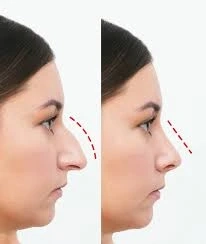
Before/after photos from the same surgeon give you a realistic picture of possible outcomes.
Quick FAQs
Does pain intensity differ between men and women?
The difference is more individual than gender; personal pain threshold and psychological factors are most important.
Can I return to work within a week?
Most office work: Yes, after 5–7 days, taking into account appearance (minor bruising may remain).
Does exercise increase pain?
Stressful exercise should be postponed at least two weeks; light walking is recommended to promote circulation without increasing pain.
Do glasses increase discomfort?
Avoid pressure on the bridge of the nose for 4–6 weeks; use special supports or contact lenses temporarily.
Conclusion: Is rhinoplasty painful?
Short answer: Pain is present but manageable. Patients often describe it as moderate discomfort in the first few days, improving quickly with pain medication and adherence to instructions.