



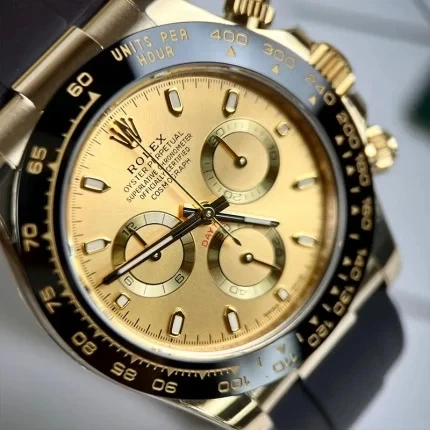
When it comes to luxury timepieces, few names shine as brightly as Rolex Oyster Perpetual. This iconic collection, known for its timeless design, impeccable craftsmanship, and enduring value, is often considered the pinnacle of wristwatch perfection. However, not everyone can afford the hefty price tag that accompanies such prestige. As a result, many consumers consider purchasing replica versions. But is a replica Rolex Oyster Perpetual really worth buying? Let’s explore the pros, cons, and deeper implications behind that tempting knockoff.
The Allure of a Luxury Look Without the Luxury Price
There’s no denying that Rolex watches exude status, refinement, and attention to detail. For many, wearing a Rolex—even a replica—fulfills a deep psychological desire to appear successful, classy, or fashionable. Replica watches, especially well-made ones, can closely resemble the real deal to the untrained eye. They can cost a fraction of the original price, often ranging from $100 to $500, compared to thousands or even tens of thousands for an authentic model.
From a purely aesthetic point of view, a high-quality replica Rolex Oyster Perpetual may offer visual satisfaction. To the average observer, it may seem indistinguishable from the original. If your goal is to enjoy the look of luxury without breaking the bank, it’s easy to see why some might find replicas appealing.
Breaking Down the Costs: Value vs. Price
The biggest argument in favor of buying replicas is simple economics. Why pay $7,000 or more for a luxury watch when you can get a nearly identical version for 1/100th the cost?
But while the price might be right, the value may not be. Authentic Rolex watches are built to last generations. They use premium materials like 904L stainless steel, sapphire crystal, and precise Swiss movements. Replicas, no matter how advanced, often fall short in terms of durability, water resistance, and movement accuracy.
Moreover, genuine Rolex watches often appreciate in value or at least hold their worth—making them a potential investment. Replicas, by contrast, hold no resale value. Once purchased, they’re practically worthless on the secondhand market.
Craftsmanship and Performance: The Reality of Replicas
One of the defining features of Rolex watches is their in-house engineering and rigorous testing. An authentic Rolex Oyster Perpetual undergoes extensive quality control, including chronometer certification. It’s made to function under extreme conditions and to provide reliable timekeeping year after year.
Replica watches may mimic the look but not the soul of a Rolex. Most replicas use cheap quartz movements or inferior automatic movements that can lose or gain several minutes per day. The materials—such as low-grade stainless steel or mineral glass—won’t endure wear and tear the same way. Over time, discoloration, water damage, or faulty mechanisms are common.
In other words, while you might save money upfront, you may end up spending more in repairs or replacements—or simply be dissatisfied with the watch’s performance over time.
Ethical and Legal Considerations
Buying a replica watch isn’t just a personal choice; it raises ethical and legal questions. First, it’s important to understand that counterfeit goods—especially those that replicate trademarks—are illegal in many countries. Even though owning one might not always be criminalized, selling or importing them often is.
Beyond legality, there’s an ethical dilemma. The replica watch industry often undermines the legitimate work of designers, engineers, and artisans who have built iconic brands like Rolex over decades. Moreover, the counterfeit market has been linked to criminal organizations, exploitative labor, and unregulated production facilities.
Supporting such an industry indirectly fuels a cycle of intellectual property theft and potentially exploitative practices. For those who care about ethical consumerism, this aspect can be a dealbreaker.
Psychological Implications: Fake Confidence?
Wearing a fake Rolex can offer temporary confidence, but it also risks long-term insecurity. Deep down, the wearer knows it’s not genuine. That knowledge can undermine self-esteem, especially when confronted with knowledgeable individuals who might detect the fake.
There’s also the social risk. If someone finds out the watch is a replica, it can lead to embarrassment or loss of credibility—especially in professional or high-stakes social environments. People who value authenticity in others might see wearing replicas as disingenuous or pretentious.
For some, this trade-off isn't worth the stress. Confidence built on authenticity usually outlasts confidence propped up by imitation.
Who Actually Buys Replica Rolex Watches?
Replica buyers generally fall into a few categories:
- Aspirational consumers – Those who want to experience luxury without paying for it.
- Fashion-first shoppers – Those who care more about style than brand authenticity.
- Testers or placeholders – People who plan to buy a real Rolex in the future and want to see how it feels to wear one.
- Collectors – Individuals who collect replicas for comparison, curiosity, or novelty.
Each group has different motivations, and some may view their replica purchase as completely rational. But it’s worth noting that their satisfaction levels vary dramatically over time.
The Counterargument: Some Replicas Are Better Than Others
The replica market has evolved. There are now "super clones" or "1:1 replicas" that claim to use Swiss movements, sapphire glass, and close-to-original materials. These can cost upwards of $1,000 and are often marketed to serious enthusiasts who can’t afford the real thing.
However, even the best replicas have limitations. They may come close in appearance but often fall short in longevity, accuracy, or fine detailing. And they still face the same ethical and legal questions as cheaper knockoffs.
While some buyers report satisfaction with these high-end replicas, they also acknowledge it’s not the same as owning an authentic timepiece.
Alternatives to Buying Replicas
If you love the Rolex look but aren’t ready to spend Rolex money, consider these alternatives:
- Pre-owned authentic watches: Certified dealers often sell gently used Rolex watches at a reduced price.
- Microbrands: Many emerging watch companies offer stylish, high-quality timepieces at accessible prices.
- Homage watches: These watches mimic the aesthetic of luxury brands without claiming to be them, offering a legal and often well-crafted alternative.
Brands like Seiko, Tissot, and Hamilton offer excellent craftsmanship, automatic movements, and long-standing reputations—all without the baggage of being counterfeit.
Final Verdict: Is It Worth It?
The answer depends entirely on your priorities.
If you care only about looks, are on a tight budget, and don’t mind the ethical or legal implications, a replica Rolex Oyster Perpetual might give you temporary satisfaction. However, you should be prepared for potential quality issues, lack of resale value, and social stigma.
If you value authenticity, craftsmanship, longevity, and ethical consumption, then no, a replica is not worth it. You may be better off saving for the real thing or finding an affordable alternative that reflects your personal style without pretending to be something it’s not.
Ultimately, a watch is more than just a timekeeper—it's a reflection of your values. And those values should guide your purchasing decisions more than a logo ever could.
Conclusion
Replica Rolex Oyster Perpetual watches can be tempting for their price and visual appeal. But the decision to buy one involves far more than appearance. It’s about what you’re willing to trade for the illusion of luxury—be it quality, ethics, or peace of mind. For many, the risk simply outweighs the reward.