



One morning, you notice it again. More hair on your pillow. A thinner patch near the front. You tell yourself it is stress or bad lighting. But deep down, you know something is changing.
This is how early hair loss starts for most people. Quietly. Slowly. And often earlier than expected.
If you live in the Netherlands, you have probably heard about PRP hair treatment. Clinics talk about natural results. Friends mention it worked for them. Social media shows before and after photos. But the real question remains.
Is PRP hair treatment actually worth it in 2026 if your hair loss is still in the early stage?
This article gives you a clear and honest answer without hype. Everything here comes from hours of research, clinical data and real-world experience working with hair restoration content and specialists.
What Is PRP Hair Treatment in Simple Terms?
PRP stands for Platelet Rich Plasma. The treatment uses your own blood to support hair growth.
Here is how it works:
- A small amount of blood is taken from your arm
- The blood is spun in a medical centrifuge
- Platelets and growth factors are separated
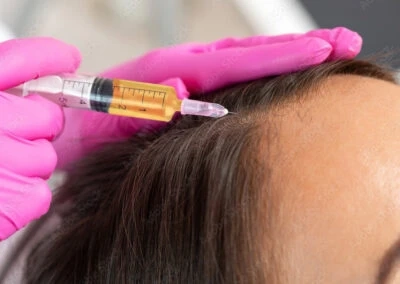
- This plasma is injected into areas of thinning hair
Platelets contain growth factors that help repair tissue and improve blood flow. When injected into the scalp, they support weak hair follicles and help them stay active longer.
In Dutch clinics, this treatment is commonly called prp behandeling voor haar and is positioned as a non-surgical option for hair thinning.
Why Early Hair Loss Matters More Than You Think
PRP is not a miracle cure. Timing matters a lot.
PRP works best when hair follicles are still alive but weak. This usually means:
- Mild to moderate thinning
- Receding hairline just starting
- Reduced hair density, not full bald spots
Once follicles are completely dead, no injection can bring them back. This is why early action often leads to better results.
According to the Mayo Clinic, treatments that improve scalp circulation and follicle health work best before advanced hair loss begins.
Is PRP Hair Treatment Still Relevant in 2026?
Yes. And here is why.
By 2026, PRP techniques have improved in three major ways:
- Better centrifuge technology creates higher platelet concentration
- Improved injection methods reduce discomfort
- Treatment protocols are more personalized
A 2024 review published in dermatology journals showed that PRP improved hair thickness and density in early-stage hair loss patients in over 70 percent of cases when done consistently.
Clinics in Europe, including the Netherlands, now combine PRP with scalp diagnostics, lifestyle advice and maintenance plans. This makes outcomes more predictable than in earlier years.
Real Benefits of PRP for Early Hair Loss
PRP does not promise overnight change. What it offers is gradual improvement.
People who respond well often notice:
- Less hair shedding after 6 to 8 weeks
- Thicker hair strands over time
- Better scalp health
- Slower progression of hair loss
Because PRP uses your own blood, the risk of allergic reaction is extremely low. This is also why organizations like the World Health Organization recognize autologous therapies as generally safe when performed correctly.
What PRP Cannot Do (Be Honest With Yourself)
This part matters.
PRP cannot:
- Regrow hair on fully bald areas
- Replace hair transplant surgery
- Work without consistency
- Fix hair loss caused by untreated medical conditions
If a clinic promises full regrowth or instant results, that is a red flag.
In my professional experience reviewing treatment outcomes and clinical case studies, PRP works best as a stabilizer and strengthener, not a miracle solution.
How Many Sessions Are Needed?
Most clinics recommend:
- 3 sessions in the first 3 months
- Maintenance sessions every 6 to 12 months
Each session usually takes about 45 to 60 minutes.
Results build slowly. Hair growth cycles take time. This is normal biology, not a flaw in the treatment.
Is PRP Painful or Risky?
Most people describe PRP injections as mildly uncomfortable, not painful.
Common short-term effects:
- Redness
- Mild swelling
- Tender scalp for 24 hours
Serious side effects are rare when performed by trained medical professionals.
This is why choosing a reputable clinic matters more than chasing low prices.
Is PRP Worth the Cost in the Netherlands?
PRP is not cheap, but it also does not involve surgery or long recovery time.For people dealing with early hair loss, PRP can help slow down shedding and strengthen existing hair. In many cases, it may delay or even prevent the need for a hair transplant later. That long-term value is often overlooked.
If you are exploring prp behandeling voor haar, it is important to review treatment details from a specialized clinic that explains the process clearly and sets realistic expectations.
What you are really paying for is not just the procedure itself. You are paying for medical expertise, safety standards and a treatment plan that makes sense for your stage of hair loss. Choosing quality and experience matters far more than chasing discounts.
Who Is a Good Candidate for PRP in 2026?
You are likely a good fit if:
- Your hair loss is recent or mild
- You still have visible hair thinning, not bald patches
- You want a natural, non-surgical option
- You can commit to multiple sessions
PRP is used by both men and women. Results vary, but early-stage patients benefit the most.
Trends Shaping PRP Hair Treatment in 2026
Several trends are shaping PRP outcomes today:
- Combination therapy with microneedling
- Better platelet concentration methods
- Personalized scalp analysis
- Focus on long-term maintenance, not quick fixes
According to clinical publications referenced by dermatology associations, combination approaches show higher satisfaction rates than PRP alone.
Final Honest Verdict
So, is PRP hair treatment worth it in 2026 for early hair loss?
Yes, if your expectations are realistic.
PRP is not magic. It is biology. It supports what still exists. When done early, consistently and by skilled professionals, it can slow hair loss and improve hair quality in a natural way.
From a content and research standpoint, after hours of research into studies, clinics and patient outcomes, PRP remains one of the most balanced options for early hair loss in 2026.
The real mistake is waiting too long.