



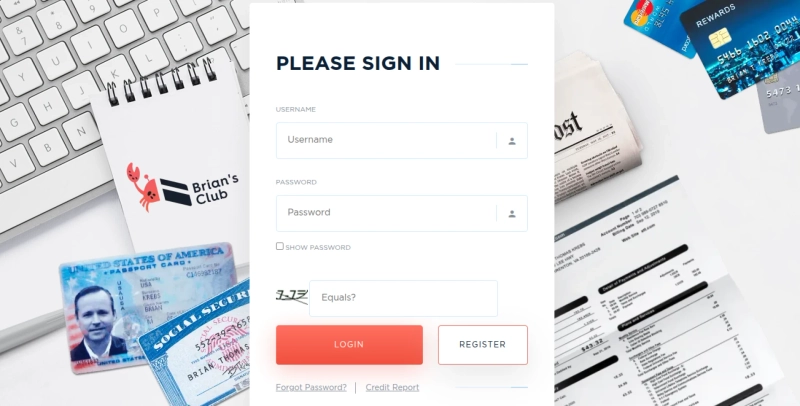
In today’s fast-moving online world, people often come across unfamiliar words, mysterious platforms, and terms that spark curiosity. One such term is bclub.tk, frequently mentioned in online conversations that also include risky phrases like dumps, CVV2 data, and credit cards. This naturally leads to a simple but important question: Is exploring something like bclub.tk actually safe, or does it bring more danger than most people realize?
This guest post explains the answer in easy, friendly, human language. The goal is not to promote anything unsafe. Instead, the purpose is to help readers understand the risks hidden behind such topics, why people search for them, and what safer choices exist in today’s digital world.
When someone hears about dumps or CVV2 data, they may feel confused. Not everyone understands what these words mean or why people talk about them. Some users only see these terms shared in comments or forums without context. This can make it seem like something special, secret, or advanced. But in reality, these topics usually relate to stolen financial information, illegal activity, and dangerous online environments. They are not connected to anything helpful for regular, honest internet users.
So why does the name bclub.tk appear in such discussions? In many cases, underground communities create constant buzz around certain platforms, making them sound important or unique. But what users don’t realize is that these platforms often bring harm to those who even attempt to explore them out of curiosity.
Visiting a suspicious site is not the same as browsing a harmless webpage. Many dangerous sites hide malicious software behind simple buttons or fake pages. The moment someone clicks, their device might be infected. Their information might be tracked. Their personal data might be exposed. These risks are not visible upfront, but they grow silently in the background.
Imagine walking into a dim, unfamiliar place where no one shows their face and no one uses their real name. You cannot tell who is genuine and who is dangerous. You cannot trust the surroundings. You cannot trust the interactions. Exploring something like bclub.tk creates the same experience in the digital world. Even if someone enters only to look around, the environment itself is unsafe.
Cybersecurity experts consistently warn that any platform associated with unauthorized financial activity is built on instability. These sites change addresses often, disappear suddenly, or lure visitors into traps. Many are created only to steal money, spy on users, or collect private information. The danger is real even if a visitor has no intention of participating in anything illegal.
This brings us to the core issue: curiosity. Human nature pushes people to explore things they do not fully understand. When a keyword appears repeatedly, curiosity grows. People think, “What is this? Why are so many talking about it?” But curiosity becomes harmful when it leads someone toward digital spaces built around illegal and unsafe activity.
Exploring underground financial topics is never as simple as reading a blog or checking a normal website. These areas are filled with security risks, hidden traps, and dishonest intentions. The people behind such platforms do not care about visitors’ safety. They care only about taking advantage of whoever steps into their territory.
Instead of entering such environments, people can choose safer and smarter paths. For example, if someone is interested in understanding credit card systems, there are many safe, legal, and educational resources available. If they want to learn how digital payments work, plenty of trustworthy platforms exist. If they want to improve their cybersecurity knowledge, there are countless courses and articles that explain everything clearly.
The problem begins when someone follows topics like dumps or CVV2 data without knowing the nature of those terms. These are not techniques, tools, or resources. They refer to sensitive and stolen information that should never be handled, viewed, or accessed. Being near such material can lead to major legal trouble, even if the person had no harmful intentions.
So, what can a regular internet user do to stay safe? The first step is awareness. Avoid visiting sites that sound suspicious. Avoid clicking unknown links shared by strangers. Avoid searching for platforms that have questionable reputations. Using strong passwords, keeping devices updated, and enabling two-factor authentication can also create a solid foundation for online safety.
Another helpful habit is listening to your instincts. If a link, term, or platform feels strange, unfamiliar, or secretive, trust your gut. The digital world has many opportunities for learning and growth, but dangerous areas always disguise themselves as something useful or hidden. Nothing good comes from exploring places designed to deceive people.
Now let’s return to the most important question: Is exploring bclub.tk truly worth the risk?
For someone who values their security, privacy, and peace of mind, the answer is no. The risks far outweigh the curiosity. There is nothing beneficial for a regular user in visiting platforms tied to underground credit card activity. The danger is high, and the chances of gaining anything positive are zero. Even accidental interaction with such sites can cause long-term harm.
Choosing safety does not mean limiting one’s online experience. It simply means making smarter decisions. The internet is huge, full of exciting information, helpful tools, and creative spaces. There is no need to wander into dangerous digital corners when so much safer and more valuable content is available.
People sometimes believe that visiting a site without participating in anything harmful is harmless. But this belief is false. Unsafe platforms track visitors, collect data, and even infect devices without permission. Some sites automatically activate harmful scripts the moment they load. This means danger can occur even before the user clicks anything.
For this reason, avoiding suspicious platforms completely is the safest choice. The digital world rewards those who remain responsible and protects those who stay aware. You don’t need to explore places connected to dumps, CVV2 data, or stolen information to understand the internet. There are better paths, healthier paths, and safer paths.
Before closing this guest post, here is a simple reminder: staying safe online is a daily habit. It begins with understanding which places to avoid. It grows through smart decisions. And it strengthens when users resist the temptation to explore risky platforms like bclub.tk. Safety is not about fear—it's about making choices that protect your future.
If you want, I can write another version, adjust the tone, change the structure, or add a different style while still keeping everything safe and easy to understand.