



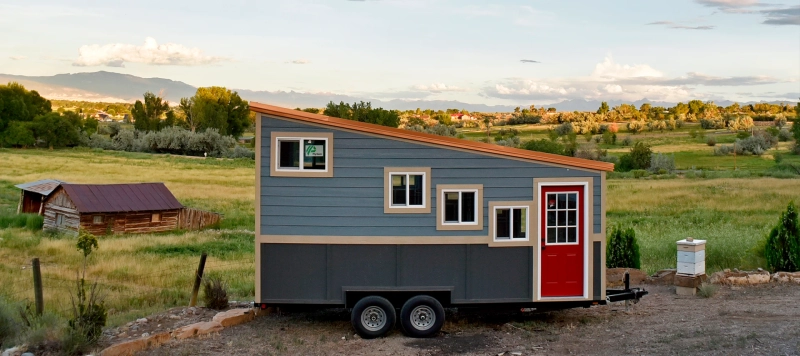
Tiny houses used to be quirky little spaces people loved snapping photos of - but now they’re part of bigger talks about property. Spot one while scrolling through homes online, and it’s natural to wonder - could this really pay off, or is it more about simpler living? Instead of following trends, some buyers are weighing actual value versus charm
Small homes are getting popular since folks crave lighter wallets, lower costs, maybe even peace of mind. It’s kind of like trading a clunky truck for a nimble city car - one gets you around just the same, minus the stress.
Why Tiny Houses Are Gaining Popularity
tiny house for sale long with steep loan rates have led people to pick cozier spots. Small houses seem like a money win.
The Rise of Minimalist Living
Less stuff means clearer thinking - no need to give up much at all. Owning less cuts expenses while opening doors to real moments instead of big spaces.
Understanding What a Tiny House Really Is
Definition and Size Standards
A little home usually fits within 100 to 400 square feet. It's compact, sure - yet super practical.
Tiny Houses vs Traditional Homes
Older houses focus on roominess - small ones care more about usefulness. Each bit serves a role, sort of like a multi-tool but for living spaces.
Mobile vs Fixed Tiny Homes
Some small houses move on trailers, giving owners freedom. Meanwhile, a few stay fixed on plots, acting like regular homes.
The Financial Appeal of Buying a Tiny House
Lower Purchase Price
This is the main draw. Small homes usually come way cheaper than regular ones - so they’re easier to afford whether you're buying your first place or looking to invest.
Reduced Utility and Maintenance Costs
Less room means lower payments. Cooling, heating, fixes - each one takes fewer bucks. Kinda like slimming down what you spend every month.
Property Taxes and Insurance Savings
A smaller valuation usually leads to lighter tax bills or cheaper coverage. This way, you keep more cash on hand.
Is a Tiny House a Smart Long-Term Investment?
Appreciation vs Depreciation
Truth is, small houses won't necessarily grow in value like regular ones. Rolling models tend to lose worth - just like campers do. But compact homes on permanent plots you own? They hold up way better.
Resale Value and Market Demand
Demand’s on the rise - particularly with younger shoppers or those winding down work life. Where it sits matters just as much as how well it's built when selling later.
Tiny Houses as Rental Income Properties
Short-Term Rentals (Airbnb, Vacation Homes)
Tiny homes stand out in this spot. Because visitors enjoy one-of-a-kind spots, small cabins bring coziness, smart design, or low cost.
Long-Term Rental Opportunities
They’re a solid fit for solo renters, learners, or people working from home - mostly where spots are tough to get.
Zoning and Legal Considerations
Check your area’s rules first - some places don’t allow small houses, so that might affect what you earn from renting.
The Role of a Tiny Home Kit in Cost Control
What Comes in a Kit?
A Tiny home kit often comes with ready-to-use parts, structure pieces, also blueprints. This makes building easier while cutting down time on setup.
DIY Savings vs Professional Builds
If you're good with tools, these kits might save a bundle. Otherwise, work fees pile fast - plan your cash flow smart.
Lifestyle Benefits That Add Hidden Value
Freedom, Mobility, and Flexibility
Tiny houses let you switch things up fast - swap cities, enjoy new views, or live smaller without dumping a huge house on the market.
Sustainability and Eco-Friendly Living
Smaller areas need less stuff. Some compact houses run on sunlight, turn waste into soil, or save power with smart setups.
Challenges and Risks to Consider
Financing Difficulties
Old-school home loans aren't a fit every time. So folks might use private lending or different ways to pay.
Zoning Laws and Land Ownership
If you don't have land, fewer choices open up - having it brings steadier results while boosting worth.
Limited Space Concerns
Tiny homes don't suit all people. Yet space, alone time, or coziness need clever thinking.
Who Should Consider Investing in a Tiny House?
First-Time Buyers
Smaller upfront payment, lighter loans - so you own it sooner.
Retirees and Digital Nomads
Freedom plus simple living cut costs - tiny houses fit just right.
Real Estate Investors
Great choice for unique getaways or holiday homes - also ideal if you're after something different.
Comparing Tiny Houses to Other Real Estate Investments
Apartments vs Tiny Homes
Apartments need bigger initial payments along with pricier running costs. Meanwhile, tiny houses use fewer resources and start earning cash quicker.
Traditional Rentals vs Tiny Rentals
Tiny rentals pull in folks who value fun over space, yet don't mind spending extra.
Final Verdict – Is It Worth It?
Key Takeaways Before You Buy
Bought a small home? Could pay off - once you check local rules, pick a solid spot, or match it to how you handle money. Not only cutting space - but gaining more room to live free.
Conclusion
Buying a tiny home - worth it or not? Truth is, it’s not a simple yes or no… yet for some folks, yeah, it works. Cheaper upfront, useful in different ways, plus more people want them now, which helps. It’s like getting a place that pays you back in cash - and calm.
Frequently Asked Questions (FAQs)
1. Do small homes gain worth as years pass?
It hinges on if the house moves around or stays put, also whether the land belongs to you.
2. Is it possible to stay in a small home all year round?
Yeah, plenty try it - check if local rules permit.
3. Do small homes work well for earning rent money?
Fine, particularly for brief holiday lets.
4. Does getting money for a small home feel tough?
Maybe yes - though you’ve got different ways to borrow cash instead.
5. Who gains the biggest advantage from investing in small homes?
Simple folks, folks who’ve quit jobs, people working from far away spots - also those playing smart with rental homes - they gain way more than others.