



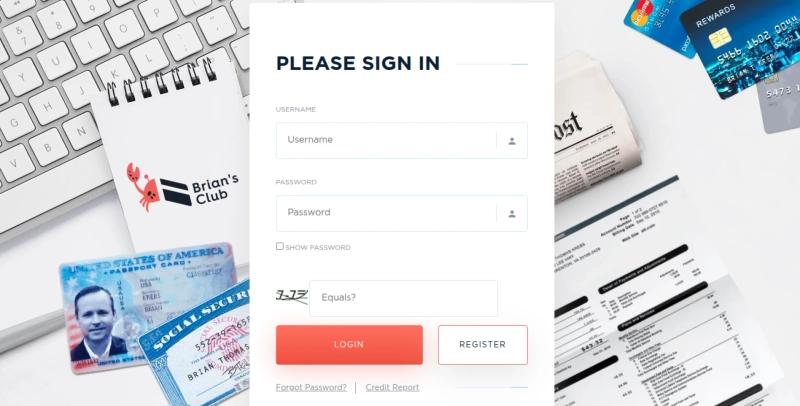
In today’s digital world, platforms offering financial information have become a topic of concern and curiosity. One such platform that has gained attention is bclub.cm, which is known for providing dumps and CVV2 credit card information. For some users, the idea of quick access to financial data may seem convenient, but the reality of using such platforms comes with serious risks. It is essential to understand the legal, financial, cybersecurity, and ethical implications before considering bclub.cm.
To start, it is important to understand what dumps and CVV2 information are. Dumps are digital copies of a credit card’s magnetic stripe that can be used to replicate the card for unauthorized purposes. CVV2 refers to the three-digit code on the back of most credit cards, required for online transactions. Both of these are sensitive financial data protected by banks and financial institutions. Platforms like bclub.cm operate in a high-risk space where legality, security, and reliability are all uncertain.
Legality is the most immediate concern when using bclub.cm. Buying or selling dumps and CVV2 data is illegal in most countries. Engaging with such platforms can lead to serious consequences, including criminal charges, fines, and imprisonment. Governments and financial authorities monitor online financial crimes, and even small interactions with unauthorized credit card data can attract scrutiny. Legal risks alone make platforms like bclub.cm highly dangerous for users.
Financial risk is another significant issue. While bclub.cm may promise instant access to usable credit card information, there is no guarantee that the data is valid or accurate. Many users report losing money on fake, outdated, or fraudulent information. Additionally, because the platform operates anonymously, recovering funds after a failed transaction is nearly impossible. Users are placing trust in unknown operators, which greatly increases the likelihood of financial loss.
Cybersecurity is also a major concern. Websites that provide sensitive financial information are prime targets for hackers. Users accessing bclub.cm may unintentionally expose personal details such as IP addresses, device information, or banking credentials. Malware, phishing attacks, and identity theft are common risks in this environment. The consequences of these security breaches can be long-lasting, often far exceeding the initial financial loss.
Ethical considerations further complicate the decision to use bclub.cm. Using services that provide dumps and CVV2 information supports financial fraud and harms innocent individuals whose credit card information is compromised. Even indirect participation helps perpetuate illegal activity and reduces trust in the digital financial ecosystem. Understanding the ethical implications is essential for anyone considering these services.
Safer alternatives exist for managing finances and conducting online transactions. Verified financial platforms, secure payment gateways, and virtual credit cards allow users to make purchases safely without exposure to high-risk services like bclub.cm. Many banks offer disposable or temporary virtual cards specifically designed to protect accounts during online spending. These solutions are legal, reliable, and provide peace of mind.
Trust is another major factor. The operators of bclub.cm are typically anonymous, and there is no reliable way to verify the authenticity of the information offered. Online reviews or testimonials may be fabricated or misleading. Users are placing trust in unknown entities with highly sensitive data, which increases the risk of scams and fraud. Reliable financial services rely on transparency, accountability, and verified operations, none of which are guaranteed on bclub.cm.
Payment methods used on bclub.cm further increase risk. Transactions are often conducted using cryptocurrencies or prepaid cards because they are difficult to trace. While this anonymity may seem appealing, it eliminates recourse if a transaction fails. There are no refunds, no customer support, and no guarantees. The same anonymity that attracts users also leaves them extremely vulnerable to scams and financial loss.
Law enforcement monitoring adds another layer of risk. Many governments actively track online platforms that deal with illegal financial data. Even minor interactions with bclub.cm can be detected, potentially resulting in serious legal consequences. Users often underestimate the level of monitoring in such activities, which can have long-lasting repercussions.
Education and awareness are critical tools for avoiding these dangers. Understanding how bclub.cm operates, the potential risks, and the legal and ethical consequences can prevent costly mistakes. Knowledge of cybersecurity, legal boundaries, and responsible financial behavior empowers users to make informed decisions. Short-term convenience should never outweigh long-term safety and security.
In conclusion, bclub.cm presents a high-risk environment for anyone seeking access to dumps and CVV2 credit card information. Legal consequences, financial uncertainty, cybersecurity threats, and ethical concerns make its use unsafe and unwise. Focusing on secure, legitimate, and ethical financial methods ensures protection, peace of mind, and responsible online behavior.
Although the promise of quick access to credit card information may seem appealing, the reality is that bclub.cm carries serious risks. Users face uncertainty, potential legal trouble, and exposure to cybercrime. Safe, legal, and ethical financial solutions are far more reliable and sustainable. Awareness, caution, and informed decision-making are crucial for anyone navigating online financial platforms.
Platforms like bclub.cm highlight the hidden dangers in the digital financial landscape. The allure of easy access to sensitive credit card information is overshadowed by legal, financial, and cybersecurity threats. Protecting personal data, respecting the law, and choosing ethical solutions are essential for anyone conducting online transactions. The central question is not whether bclub.cm works, but whether engaging with it is worth the serious risks—and for responsible users, the answer is clearly no.