



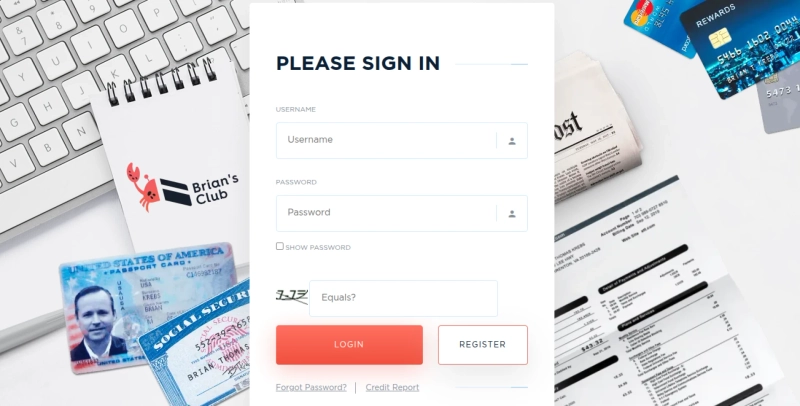
In the modern digital world, credit cards have become a central part of daily life. They allow users to shop online, pay bills, and manage finances quickly and efficiently. However, with this convenience comes a responsibility to understand the risks associated with online financial platforms. One platform that has gained attention in certain communities is bclub, associated with Dumps and CVV2 Shop credit cards. While curiosity about such platforms exists, it is essential to examine the risks, legal implications, and safer alternatives for managing financial transactions.
bclub is frequently discussed as a source for Dumps and CVV2 Shop credit cards. To clarify, CVV2 is the three-digit security code on the back of a credit card, which helps verify transactions. Dumps refer to data copied from a card’s magnetic stripe. Both of these involve highly sensitive financial information. Misusing or acquiring them without authorization can result in serious legal consequences and expose users to significant cybersecurity risks. Understanding these implications is crucial before considering interaction with platforms like bclub.
The most important factor when evaluating bclub is legality. Using or accessing someone else’s credit card information without proper authorization is illegal in nearly every country. Platforms like bclub, which provide access to Dumps and CVV2 Shop credit cards, often operate in illegal or gray areas. Even casual interaction can expose users to criminal liability. Legal alternatives exist for individuals who need access to financial information safely, such as verified banking APIs, secure payment gateways, or authorized financial services. Choosing these legal options ensures data protection while reducing legal risk.
Trustworthiness is another key consideration. Financial platforms must demonstrate transparency, secure data handling, and clear user protection policies. bclub lacks these standard trust indicators. There is no verified licensing, no secure infrastructure for transactions, and no clear process for resolving disputes or complaints. Without these guarantees, it is difficult to establish confidence in the platform. Users relying solely on forum reviews or anecdotal experiences may not be getting the full picture, which increases the risk of fraud or misuse.
Cybersecurity risks are significant when dealing with platforms like bclub. Websites offering Dumps and CVV2 Shop credit cards can expose users to malware, phishing, and identity theft. Hackers may exploit vulnerabilities to steal sensitive information. Even individuals with technical knowledge are vulnerable if their devices, networks, or passwords are not properly secured. High-risk platforms often lack adequate protection, making users more susceptible to financial loss or personal data breaches.
Ethical considerations must also be taken into account. While curiosity may drive some users to explore bclub, it is essential to reflect on the consequences of using unauthorized financial data. Engaging in these practices can harm others and contribute to fraud or theft. Ethical online behavior means avoiding platforms that operate outside legal and moral boundaries. Choosing responsible practices protects not only oneself but also the broader digital financial community.
Safer alternatives for managing credit cards and online transactions are widely available. Trusted banks, verified credit card providers, secure payment processors, and reputable e-commerce platforms offer convenience without compromising legality or security. These platforms include features like fraud protection, dispute resolution, and secure transactions. Learning to navigate legitimate services ensures that users can manage their finances safely while avoiding high-risk platforms like bclub.
Education about cybersecurity is an essential tool for safe online practices. Understanding how credit card information is protected, recognizing phishing attempts, and identifying suspicious websites can greatly reduce risk. Online resources, courses, and blogs provide guidance on safe behavior, helping users avoid scams and maintain data security. Awareness of fake marketplaces, fraudulent emails, and high-risk platforms is crucial for anyone managing sensitive financial information.
Digital anonymity is another consideration. While bclub may appear to allow anonymous interactions, complete online anonymity is rarely possible. Digital footprints can be traced, and law enforcement increasingly monitors illegal financial activity. Users who assume they are untraceable may inadvertently expose themselves to legal consequences. Understanding the limits of online anonymity is critical when interacting with high-risk platforms.
Financial prudence is vital for protecting personal information. Maintaining strong passwords, monitoring accounts regularly, and avoiding risky shortcuts are basic but effective measures. Platforms that offer easy access to sensitive data, such as bclub, often come with high personal and legal risks. Prioritizing safe and responsible financial habits is far more effective in ensuring long-term security than attempting to exploit high-risk platforms.
Ultimately, bclub represents a high-risk segment in the digital financial ecosystem. While it may attract curiosity due to its offerings of Dumps and CVV2 Shop credit cards, the potential consequences outweigh any perceived benefits. Users should prioritize platforms that are legally compliant, secure, and transparent. Verified financial services allow individuals to enjoy the convenience of online transactions while safeguarding personal and financial information.
Reflecting on these points, the key question is whether interacting with bclub is worth the risk. Legal consequences, cybersecurity threats, and ethical considerations indicate that it is not. Users who prioritize safety, responsibility, and legality will naturally avoid high-risk platforms and focus on legitimate alternatives. Protecting personal and financial data requires careful decision-making, awareness, and ethical conduct.
In conclusion, bclub exists as a platform offering Dumps and CVV2 Shop credit cards, but it should be approached with extreme caution. It highlights the dangers of accessing unauthorized financial information, including legal exposure, identity theft, and ethical dilemmas. Protecting personal and financial information should always take precedence over curiosity or perceived convenience.
The main takeaway is that users should focus on safe, legal, and ethical alternatives for credit card management and online transactions. Cybersecurity education, awareness of risks, and responsible behavior are essential for navigating the digital financial world safely. Platforms like bclub may seem tempting, but the potential dangers make them more of a cautionary example than a viable option.
By choosing verified financial services and practicing responsible online behavior, users can enjoy the benefits of digital transactions securely. Awareness, informed decision-making, and ethical conduct create a trustworthy financial environment. Engagement with high-risk platforms like bclub is not worth the danger, and choosing safer alternatives ensures long-term protection and peace of mind.