



If you're managing landscaping or agricultural property in Miami, having a reliable irrigation pump is crucial. With South Florida’s tropical climate, managing water efficiently is a must—not only to maintain healthy lawns and crops but also to avoid overuse and high utility costs. In this article, we’ll explore the types of irrigation pumps used in Miami, key factors to consider when choosing one, common maintenance tips, and where to find local pump installation and repair services.
Why Irrigation Pumps Matter in Miami
Miami's weather patterns—hot summers, seasonal rain, and dry winters—make automated irrigation systems a smart investment. Whether you're maintaining a large agricultural field, a residential lawn, or a commercial landscape, an efficient irrigation pump system helps deliver consistent water flow to your plants without wasting resources.
Miami-Dade County also has water usage regulations that impact irrigation times and water conservation efforts. A well-designed irrigation pump system helps you stay compliant with local rules while keeping your property lush and green.
Types of Irrigation Pumps Used in Miami
Choosing the right pump depends on your water source, irrigation method, and the size of the area you're watering. Here are some of the most common irrigation pumps in Miami:
1. Centrifugal Pumps
These are among the most popular choices for large-scale irrigation. Centrifugal pumps are durable, easy to maintain, and ideal for high-flow applications. They're often used in agricultural settings or for irrigating sports fields, golf courses, and large estates in South Florida.
2. Submersible Pumps
Submersible pumps are placed directly in the water source, such as a lake, well, or canal. They're efficient and quiet, making them perfect for residential irrigation systems in Miami’s suburban neighborhoods. Many Miami homes near canals or lakes use submersible irrigation pumps to draw water for lawn and garden care.
3. Booster Pumps
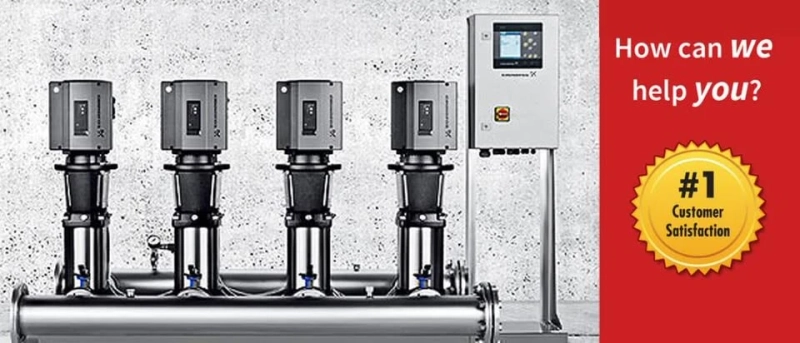
Booster pumps are used to increase water pressure in irrigation systems. They’re often used in conjunction with other pumps to ensure water reaches all parts of a large landscape or uphill areas—common in Miami's commercial properties or high-end residential developments.
4. Turbine Pumps
These are vertical pumps commonly used for deep well irrigation. They're ideal for large agricultural operations and can deliver water over long distances. In rural parts of Miami-Dade County, turbine pumps are commonly used for crops, nurseries, and orchards.
Key Considerations When Choosing an Irrigation Pump
When selecting an irrigation pump in Miami, you’ll need to evaluate several factors:
- Water Source: Are you drawing water from a well, canal, lake, or municipal line?
- System Size: How much land are you irrigating, and what’s the water flow requirement (GPM)?
- Pressure Needs: Different sprinkler systems require different PSI (pounds per square inch).
- Pump Efficiency: Energy-efficient pumps can significantly reduce electric bills in the long run.
- Durability: Consider materials that resist corrosion, especially in Miami’s salty, humid air.
- Local Regulations: Miami-Dade has irrigation restrictions—your system should support programmable timers and rain sensors to comply.
Irrigation Pump Installation in Miami
If you're installing a new irrigation system or upgrading an old one, it's essential to work with a licensed irrigation contractor. Professional irrigation pump installation in Miami ensures:
- Proper pump sizing and pressure configuration
- Compliance with local plumbing and electrical codes
- Integration with timers, moisture sensors, and backflow preventers
- Warranty and long-term support
Look for companies that specialize in irrigation systems in South Florida and have experience with the unique challenges of Miami’s weather, soil, and vegetation.
Maintenance Tips for Irrigation Pumps
To extend the life of your irrigation pump, regular maintenance is essential. Here are some basic tips:
- Inspect filters and screens for debris monthly
- Check pressure levels and flow rates regularly
- Lubricate moving parts as needed (follow manufacturer recommendations)
- Winterize your system before the rare cold snaps
- Clean intake valves and suction lines to avoid clogs
Scheduling annual inspections with a local irrigation repair service in Miami can help catch minor issues before they become costly breakdowns.
Where to Buy or Service Irrigation Pumps in Miami
There are several trusted sources for irrigation pumps in Miami, including:
- Local irrigation supply stores that carry top brands like Rain Bird, Grundfos, Sta-Rite, and Goulds
- Authorized dealers who provide installation, replacement, and pump sizing advice
- Online irrigation equipment retailers that ship directly to Miami
- Licensed landscaping companies that include irrigation system design and pump services
Always check reviews and confirm that your provider is licensed and insured. Many Miami-based irrigation companies offer free site evaluations and quotes.
Final Thoughts
Whether you're a homeowner looking to automate your lawn watering or a farmer needing a high-capacity pump for crops, having the right irrigation pump in Miami makes all the difference. With the right setup, you can ensure healthy growth, conserve water, and reduce energy costs. Remember to choose the right type of pump, stay on top of maintenance, and work with qualified professionals to get the best long-term value.
Looking for irrigation pump services in Miami? Start by contacting local experts who understand the region’s climate and can tailor solutions to your needs.
Would you like this formatted for a blog post, or want help optimizing the metadata (like meta title, description, or headers) for SEO?