



 Few things are more frustrating than discovering your iPad won't charge when you need it most. A non-functioning charging port can bring your productivity to a halt, whether you're using your iPad for work presentations, creative projects, or entertainment. While charging port issues might seem catastrophic, many can be resolved with simple troubleshooting steps. However, complex hardware problems often require professional intervention from specialized iPad repairs Melbourne services to ensure proper diagnosis and repair.
Understanding iPad Charging Port Problems
iPad charging ports are remarkably robust, but they're not immune to problems. The Lightning port (or USB-C on newer models) experiences constant insertion and removal of charging cables, making it susceptible to wear over time. Common issues include debris accumulation, bent or damaged pins, corrosion from moisture exposure, and loose internal connections.
Modern iPads use sophisticated charging systems that communicate between the device, cable, and power adapter. When any component in this chain fails, charging problems can occur. The iPad's charging controller monitors power flow, temperature, and battery health, sometimes refusing to charge if it detects potential safety issues. Understanding this complexity helps explain why charging problems aren't always related to the physical port itself.
Environmental factors also play a significant role in charging port health. Dust, lint, pet hair, and food particles can accumulate inside the port, creating barriers that prevent proper cable connection. Moisture exposure, whether from spills, humid environments, or accidental submersion, can cause corrosion that interferes with electrical connections.
Initial Troubleshooting Steps
Before concluding that your charging port is defective, perform systematic troubleshooting to identify the actual problem source. Start by testing different charging cables and power adapters. Charging accessories fail more frequently than iPad ports themselves, so testing with known-good components can quickly eliminate these variables.
Examine your charging cable carefully for visible damage, including frayed wires, bent connectors, or loose connections near the plug. Even minor cable damage can prevent proper charging while appearing functional. If possible, test your cable with another compatible device to verify its functionality.
Try different power sources to rule out electrical issues. Test wall outlets, USB ports on computers, and portable power banks. Some power sources may not provide sufficient current for iPad charging, particularly older USB ports that output minimal power. Official Apple power adapters or certified third-party alternatives typically provide optimal charging performance.
Restart your iPad by holding the power and home buttons simultaneously (or power and volume down on newer models) until the Apple logo appears. This soft reset can resolve software glitches that interfere with charging detection. Sometimes the iPad's charging controller becomes confused and needs to be reset to recognize connected chargers properly.
Physical Port Inspection and Cleaning
Inspect your iPad's charging port using a flashlight or phone's LED light. Look for visible debris, corrosion, or damaged pins inside the port. Debris accumulation is surprisingly common and often easily resolved with careful cleaning.
Use a wooden toothpick or plastic tool to gently remove visible debris from the charging port. Avoid metal objects that could damage delicate pins or create short circuits. Work slowly and carefully, using gentle scraping motions to dislodge accumulated lint, dust, or other particles. You may be surprised by the amount of debris that emerges from a seemingly clean port.
Compressed air can effectively remove loose debris after initial cleaning with physical tools. Hold the iPad firmly and use short bursts of compressed air directed into the port. Avoid holding the can at angles that might introduce moisture into the device, and never use compressed air as the sole cleaning method without first removing larger debris manually.
For suspected moisture damage or corrosion, allow the iPad to dry completely in a low-humidity environment before attempting to charge. Place the device in a sealed container with silica gel packets or uncooked rice to absorb residual moisture. Avoid heat sources like hair dryers or direct sunlight, which can damage sensitive internal components.
Software-Related Charging Issues
Sometimes charging problems stem from software rather than hardware issues. iOS updates occasionally introduce charging-related bugs, while corrupted system files can interfere with power management functions. Check for available iOS updates, as Apple frequently releases patches that address charging and battery management issues.
Reset your iPad's settings if software troubleshooting steps don't resolve the problem. Navigate to Settings > General > Reset > Reset All Settings. This action preserves your data while resetting system configurations to default values. You'll need to reconfigure Wi-Fi passwords and other customized settings afterward, but this can resolve persistent charging issues caused by corrupted preferences.
Battery calibration issues can also manifest as charging problems. If your iPad shows inconsistent battery percentages or refuses to charge beyond a certain level, perform a complete discharge and recharge cycle. Allow the battery to drain completely until the device shuts down, then charge uninterrupted to 100%. This process helps recalibrate the battery management system's understanding of actual charge levels.
Third-party battery monitoring apps can provide insights into your iPad's charging behavior and battery health. These applications display detailed charging statistics, helping identify whether problems are related to the battery itself, charging circuitry, or external factors.
When DIY Solutions Aren't Enough
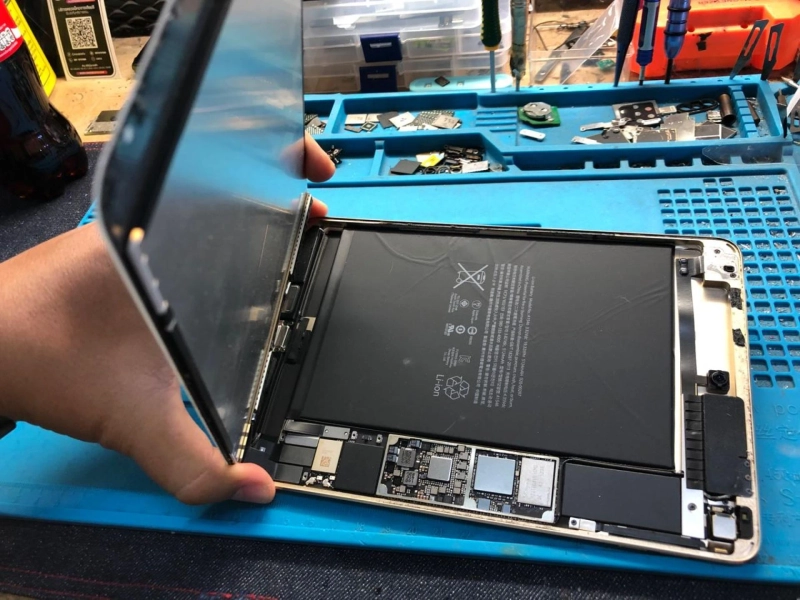
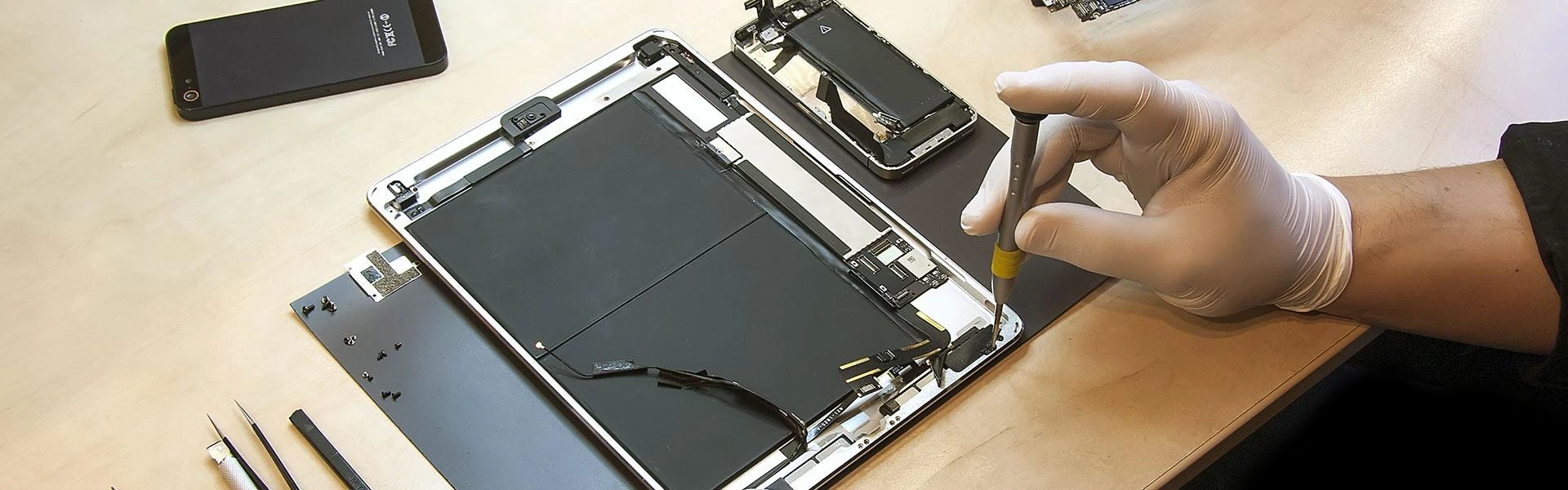
If basic troubleshooting doesn't resolve your charging issues, the problem likely requires professional attention. Persistent charging problems often indicate hardware failures that demand specialized tools and expertise to diagnose and repair properly. Attempting complex repairs without proper knowledge and equipment can cause additional damage and void your warranty.
Internal component failures, such as damaged charging controllers, faulty charging ports, or degraded batteries, require precise diagnostic procedures to identify correctly. Professional technicians use specialized testing equipment to measure voltage, current flow, and component functionality throughout the charging system.
Liquid damage presents particularly complex challenges that often extend beyond the visible charging port. Moisture can corrode internal circuits, create short circuits, and damage components far from the initial exposure point. Professional assessment is crucial for determining the full extent of liquid damage and developing appropriate repair strategies.
Choosing Professional Repair Services
When seeking professional help, prioritize reputable service providers that specialize in Apple device repairs. Look for established iPad service centre Melbourne locations that demonstrate expertise in iPad-specific issues and maintain current knowledge of different iPad models and their unique characteristics.
Authorized iPad repair services offer distinct advantages, including access to genuine Apple parts, official diagnostic tools, and repair procedures approved by Apple. Authorized service providers maintain their certification through ongoing training and adherence to Apple's strict quality standards. This ensures your iPad receives appropriate care while preserving warranty coverage when applicable.
Verify that technicians possess relevant certifications by seeking iPad certified repair professionals. Certified technicians have completed formal training programs that cover iPad hardware architecture, diagnostic procedures, and proper repair techniques. Their expertise helps ensure accurate problem diagnosis and effective solutions.
Research potential service providers thoroughly by reading customer reviews, checking Better Business Bureau ratings, and verifying their credentials. Established repair centers typically offer warranties on their work and maintain transparent pricing structures. Avoid services that provide vague estimates or pressure you into immediate decisions without proper diagnosis.
Understanding Repair Costs and Options
Charging port repairs vary significantly in cost depending on the specific iPad model, problem complexity, and required parts. Simple debris removal or software fixes may incur minimal charges, while complete port replacement or logic board repairs can be more expensive. Request detailed estimates that itemize labor and parts costs before authorizing repairs.
Consider your iPad's age and overall condition when evaluating repair costs versus replacement options. Older iPads with multiple issues may not justify expensive repairs, particularly if newer models offer significantly improved features and performance. Professional technicians can provide honest assessments of whether repairs are cost-effective for your specific situation.
Warranty coverage can significantly impact repair costs and options. iPads under Apple's limited warranty may qualify for free repairs if the charging port failure isn't due to accidental damage or misuse. AppleCare+ coverage extends protection and reduces out-of-pocket costs for many types of repairs, including some charging port issues.
Prevention Strategies
Preventing charging port problems is more efficient than repairing them after they occur. Use high-quality charging cables and avoid excessive force when connecting or disconnecting them from your iPad. Gentle insertion and removal prevent unnecessary wear on both the cable connector and iPad port.
Keep your iPad's charging port clean by periodically inspecting and cleaning it with appropriate tools. Regular maintenance prevents debris accumulation that can interfere with charging connections or cause damage over time. Store your iPad in protective cases that cover the charging port when not in use.
Avoid exposing your iPad to moisture, dust, or extreme temperatures that can damage charging components. Use your device in appropriate environments and store it safely when not in use. Consider waterproof cases for use in challenging environments where moisture exposure is likely.
Invest in certified charging accessories that meet Apple's specifications and safety standards. While generic alternatives may seem cost-effective, they often lack proper safety features and can damage your iPad's charging system. Official Apple accessories or certified third-party options provide reliable performance and reduce the risk of charging-related problems.
Conclusion
iPad charging port issues can range from simple debris accumulation to complex hardware failures requiring professional intervention. While basic troubleshooting can resolve many common problems, persistent issues often benefit from expert diagnosis and repair available through reputable iPad repairs Melbourne services.
Remember that prevention is always preferable to repair. Regular maintenance, quality accessories, and careful handling can prevent many charging port problems. When professional help becomes necessary, choose certified technicians who can provide accurate diagnosis and quality repairs to restore your iPad's functionality and extend its useful life.