



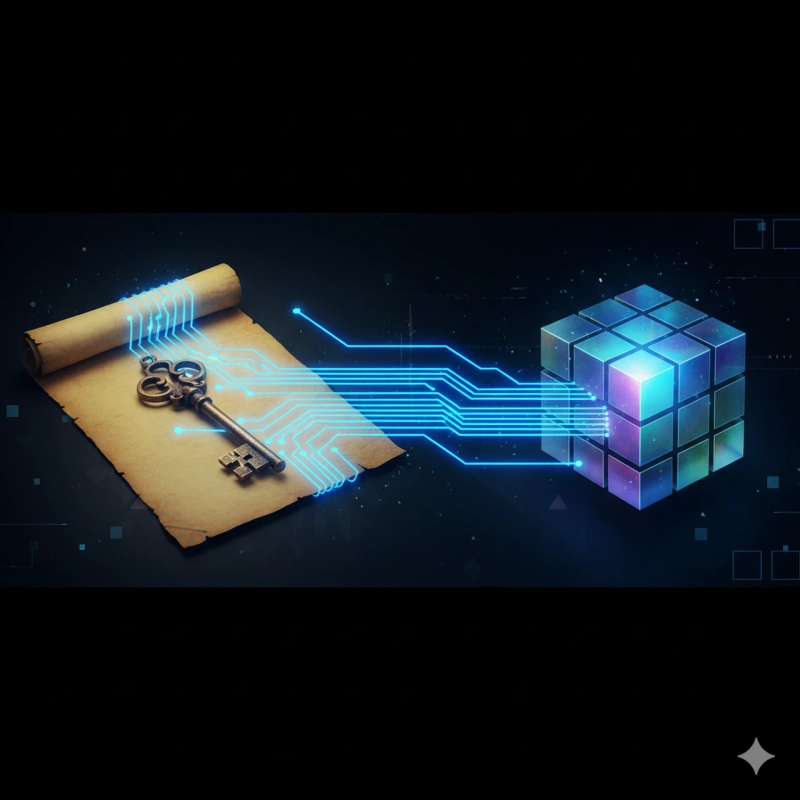
The investment landscape is rapidly evolving, with Tokenized Real World Assets (RWAs) emerging as a revolutionary bridge between traditional finance and blockchain technology. RWAs convert the ownership rights of tangible assets—like real estate, fine art, private equity, and commodities—into digital tokens on a blockchain. This process dramatically improves liquidity, democratizes access, and enhances transparency for assets that were once difficult for the average investor to access.
This guide provides a comprehensive overview of how to invest in tokenized real-world assets.
Understanding the Mechanism: How RWAs Work
At its core, RWA tokenization involves transforming an asset's ownership into fractional, programmable tokens.
- Asset Selection and Valuation: A valuable, illiquid asset (e.g., a commercial building) is chosen and professionally appraised to determine its value.
- Legal Structuring: A robust legal framework, often involving a Special Purpose Vehicle (SPV), is created. This entity legally holds the physical asset, and the digital tokens represent a share of ownership or beneficial interest in that SPV. This step ensures compliance and links the digital token to the enforceable rights of the physical asset.
- Token Issuance: Smart contracts are deployed on a chosen blockchain (like Ethereum or Polygon) to mint the digital tokens. These contracts automatically govern ownership transfer, dividend distribution, and other rules, creating a secure, transparent, and immutable record.
- Distribution and Trading: The tokens are then sold to investors, either in a primary offering or through regulated secondary markets.
Step-by-Step Guide to Investing in Tokenized RWAs
Investing in RWAs is similar to investing in digital securities, requiring careful diligence on both the blockchain and the underlying asset.
Step 1: Get Educated on the RWA Landscape
Before investing capital, understand the fundamentals.
- Asset Classes: RWA tokens span various markets. Real estate (fractional ownership of properties) and tokenized debt instruments (like bonds or private credit) are currently leading the space.
- Benefits: Tokenization offers fractional ownership (lowering the entry barrier), enhanced liquidity (tokens can be traded 24/7), and increased transparency (all transactions are recorded on a public ledger).
- Risks: Be aware of regulatory uncertainty (laws are still evolving), custodial risk (the physical asset must be securely held by a trusted third party), and smart contract risk (vulnerabilities in the code).
Step 2: Choose a Compliant and Reliable Platform
You cannot typically buy RWA tokens on regular crypto exchanges. You need to use platforms specializing in regulated digital securities.
- Tokenization Platforms/Exchanges: Look for platforms that are compliant with local securities and financial regulations (e.g., platforms requiring KYC/AML checks). Examples include regulated security token exchanges and platforms specializing in tokenized real estate or private credit.
- Due Diligence: Vet the platform's security, regulatory compliance, and transparency regarding the custody of the underlying physical assets.
Step 3: Complete Compliance Requirements
Due to their link to regulated assets, most legitimate RWA investment platforms require investors to complete Know Your Customer (KYC) and Anti-Money Laundering (AML) checks. Some offerings may only be available to accredited investors, depending on the jurisdiction and the asset type.
Step 4: Conduct Thorough Asset Research (Due Diligence)
The value of the token is tied directly to the real-world asset. This is the most crucial step.
- Asset Details: Investigate the underlying asset. For real estate, check the property's location, appraisal value, rental yield, and potential for appreciation. For tokenized bonds, examine the issuer's creditworthiness and the terms of the debt.
- Legal Framework: Verify the legal structure. What rights does the token grant (e.g., a share of income, voting rights)? Is the ownership link between the digital token and the physical asset legally sound and enforceable?
- Custodian: Determine who is safeguarding the physical asset. Ensure a reputable, regulated entity handles the custody.
Step 5: Purchase and Manage Your Tokens
Once your due diligence is complete, you can purchase the tokens using fiat currency or supported cryptocurrency on the platform.
- Purchase: Tokens are typically priced similarly to shares, reflecting a fraction of the total asset value.
- Monitoring: Track the performance of the underlying asset and the income distributions. Many platforms provide a dashboard for performance monitoring. Income (rent, interest, dividends) is often distributed automatically via the smart contract.
- Liquidity: Understand the trading options. Can the token be traded on a secondary market, and what is the typical volume?
The journey of asset tokenization platform development culminates in creating a robust and compliant digital bridge between traditional, illiquid assets and the global, decentralized efficiency of blockchain technology. It is a fusion of legal meticulousness, financial expertise, and cutting-edge technology. By making high-value assets accessible to a wider pool of investors, tokenized RWAs represent a significant shift towards a more democratic and efficient global financial system. However, like any emerging technology, successful investment hinges on a strong understanding of both the blockchain mechanics and the traditional financial characteristics of the underlying asset.