



 T
There are places that test your limits, and then there are places that transform you. The Winter Spiti Expedition is one such journey—where roads vanish under snow, rivers turn to glass, and the Himalayas stand in their raw, untamed beauty. Far from the crowded tourist trails, Spiti in winter is a world frozen in time, offering travelers a glimpse into the heart of the mountains and the resilience of life that endures there.
This isn’t your usual vacation. It’s an adventure that challenges your comfort zone, awakens your spirit, and rewards you with moments so pure they stay etched in your memory forever.
Where the World Ends and Silence Begins
Spiti Valley, cradled between Tibet and India, feels like the edge of the world. During summer, it’s all turquoise rivers and golden valleys, but come winter, it transforms into something surreal—icy trails, snow-laden monasteries, and skies so clear that stars seem within reach.
The journey begins long before you reach Spiti. The road itself becomes a character in the story—rugged, unpredictable, and breathtaking. Those who embark on this Spiti winter trip don’t come for luxury; they come to witness nature in its most authentic form.
The Road to Spiti – A Test of Grit and Glory
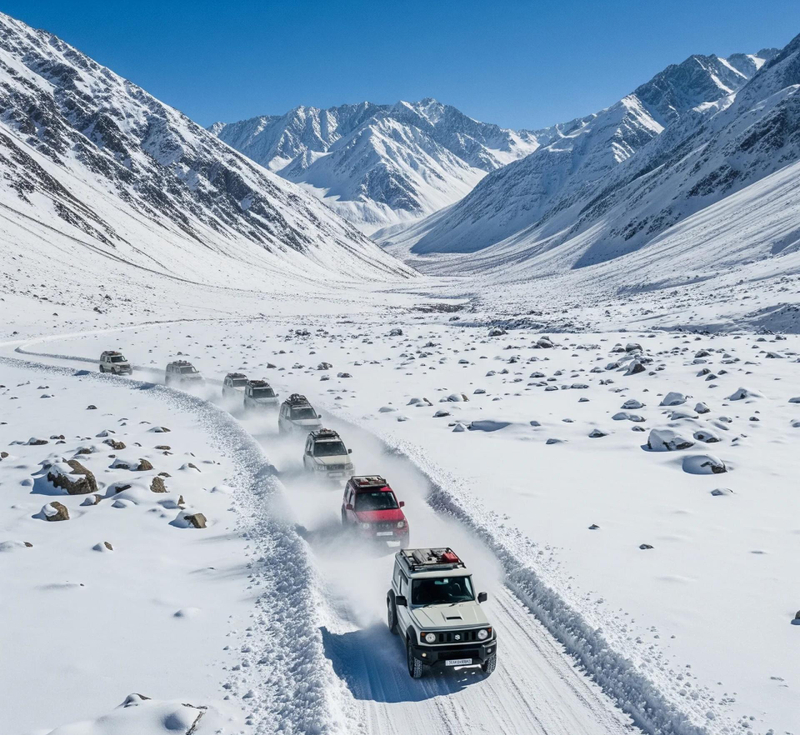
Most winter expeditions to Spiti start from Manali or Shimla, depending on the season and weather conditions. In summer, you can reach Spiti via Kunzum Pass, but in winter, that route remains closed due to heavy snowfall. The only way in is through the Hindustan-Tibet Highway from Shimla—a 700-kilometer stretch of adventure, patience, and awe.
Every curve reveals something new: frozen waterfalls hanging like chandeliers, pine forests dusted in white, and villages tucked beneath thick blankets of snow. As you drive deeper into the valley, the altitude rises, the air thins, and the silence deepens.
This is where a Spiti 4x4 expedition becomes essential. Roads can be slippery and unpredictable, and only a sturdy vehicle—and an even sturdier spirit—can conquer them.
The Spirit of the Mountains
One of the most beautiful things about this journey is the connection it builds—with the land, and with the people who call it home. The locals of Spiti are warm beyond measure, their smiles a stark contrast to the icy air.
In winter, when temperatures drop to -25°C, life slows down. Villagers gather around kitchen stoves fueled by dung fires, sharing stories, butter tea, and laughter. Travelers often stay in traditional homestays, where every night feels like a small festival of warmth and resilience.
Such intimate moments make a winter road trip to Spiti feel less like a vacation and more like a pilgrimage—to simplicity, to survival, to serenity.
Kaza – The Frozen Capital
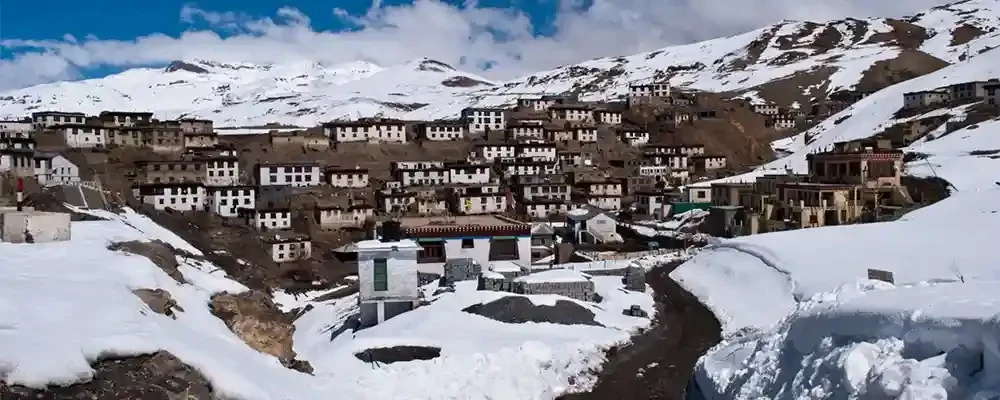
Kaza, the heart of Spiti Valley, wears a different face in winter. The town that hums with backpackers in summer becomes a peaceful haven under layers of snow. The Spiti River freezes, the market slows, and yet, there’s a strange vibrancy in the stillness.
Staying here during a Spiti Valley winter trip means embracing the rhythm of local life—morning walks in the crisp mountain air, sipping steaming tea as snowflakes drift outside, and watching the sunset turn the mountains pink and gold.
Monasteries Wrapped in Snow
The monasteries of Spiti are among the oldest and most serene in the Himalayas. In winter, they look like something straight out of a dream—whitewashed walls blending with snow, prayer flags fluttering in icy winds, and monks walking silently against the backdrop of endless white.
- Key Monastery: The crown jewel of Spiti, perched majestically on a hill overlooking the valley. In winter, it looks like a castle in a snow globe.
- Dhankar Monastery: Built on a cliff, it offers one of the most breathtaking views in the entire region.
- Tabo Monastery: Over a thousand years old, this UNESCO site becomes a sanctuary of peace and warmth in the coldest months.
These monasteries remind you that even in the harshest conditions, faith and stillness can flourish.
Villages That Time Forgot
Travel deeper, and you’ll discover villages that seem frozen in another era.
- Langza: Known as the fossil village, where ancient seashells are found embedded in rocks—a reminder that these mighty mountains were once ocean beds.
- Komic: Among the highest villages in the world, where the stars shine brighter than anywhere else on Earth.
- Hikkim: Home to the world’s highest post office. Posting a letter here in winter feels like sending your thoughts directly into the sky.
Each of these villages has its own rhythm, its own soul. Visiting them in winter means experiencing life stripped down to its essence.
The Adventure Element – Driving, Trekking, and Enduring
This journey is not for everyone—and that’s exactly what makes it special. It’s for those who find peace in solitude, joy in challenge, and beauty in the unexpected.
During a winter expedition in Spiti, you may encounter:
- Frozen rivers and ice crossings.
- Long stretches without human presence.
- Temperatures plunging below freezing.
- The thrill of navigating narrow, snowbound trails.
Every challenge becomes a story. Every obstacle, a memory. By the time you complete the circuit, you realize you haven’t just seen the mountains—you’ve earned them.
The Magic of Silence
One of the most profound moments of a Spiti winter expedition is realizing how silent the world can be. No car horns, no crowds, no rush—just the sound of your breath and the crunch of snow underfoot.
At night, the valley turns ethereal. The Milky Way stretches across the sky in crystal clarity, and the cold air feels alive. Sitting by a window with a cup of butter tea, you’ll feel a kind of peace that can’t be described—only felt.
Preparing for the Expedition
While the beauty of Spiti is unmatched, its winters demand respect. Preparation is key.
Essential Gear:
- Thermal layers, down jackets, waterproof gloves, and snow boots.
- Sunglasses and sunscreen—yes, even in snow, the sun burns.
- Power banks, torches, and emergency medical supplies.
- A good camera—you’ll regret leaving it behind.
Mental Preparation:
More than gear, what you need most is patience and adaptability. Weather delays, frozen pipes, or detours are all part of the adventure. The key is to embrace it all.
Many organized winter expeditions to Spiti include backup vehicles, experienced drivers, and local support teams to ensure safety without compromising authenticity.
Photography Heaven
For photographers, Spiti in winter is a dreamscape. Every sunrise paints new colors on the snow, every monastery becomes a frame, and every villager you meet tells a story worth capturing.
Drones soar over white valleys, capturing patterns carved by wind and snow. Night shots reveal constellations so bright they make you forget city skylines ever existed.
Whether you’re a professional or just love taking pictures, a winter road trip to Spiti gives you endless inspiration.
Why This Journey Stays With You
When you return from Spiti, you don’t just bring back photos—you bring back perspective. You learn that beauty doesn’t need comfort, that peace often hides in the harshest places, and that life, no matter how cold, always finds a way to shine.
The Spiti Valley winter trip isn’t about checking destinations off a list. It’s about slowing down, breathing deep, and understanding how vast and humbling the world really is.
When to Go and What to Expect
The best time for this adventure is from late December to early March, when the valley is at its most pristine and least crowded. During this period, accessibility can vary, but that’s part of the thrill—getting there feels like an achievement in itself.
Expect temperatures between -10°C and -25°C, limited mobile connectivity, and occasional roadblocks—but also expect unparalleled beauty, soulful encounters, and the kind of adventure that redefines what travel means.
Closing Thoughts – A Journey to Remember
Few journeys can be called life-changing, but the Winter Spiti Expedition earns that title effortlessly. It’s not just a trip; it’s an inward journey disguised as an adventure. The vastness of the mountains, the warmth of strangers, the stillness of snow-covered villages—they all remind you what truly matters.
When you finally drive out of the valley, leaving behind the frozen rivers and silent peaks, you’ll carry more than memories. You’ll carry a quiet strength, a deeper appreciation for simplicity, and an unshakable connection to the Himalayas.
For those seeking not just destinations but transformation, Spiti in winter awaits—silent, majestic, and unforgettable.