



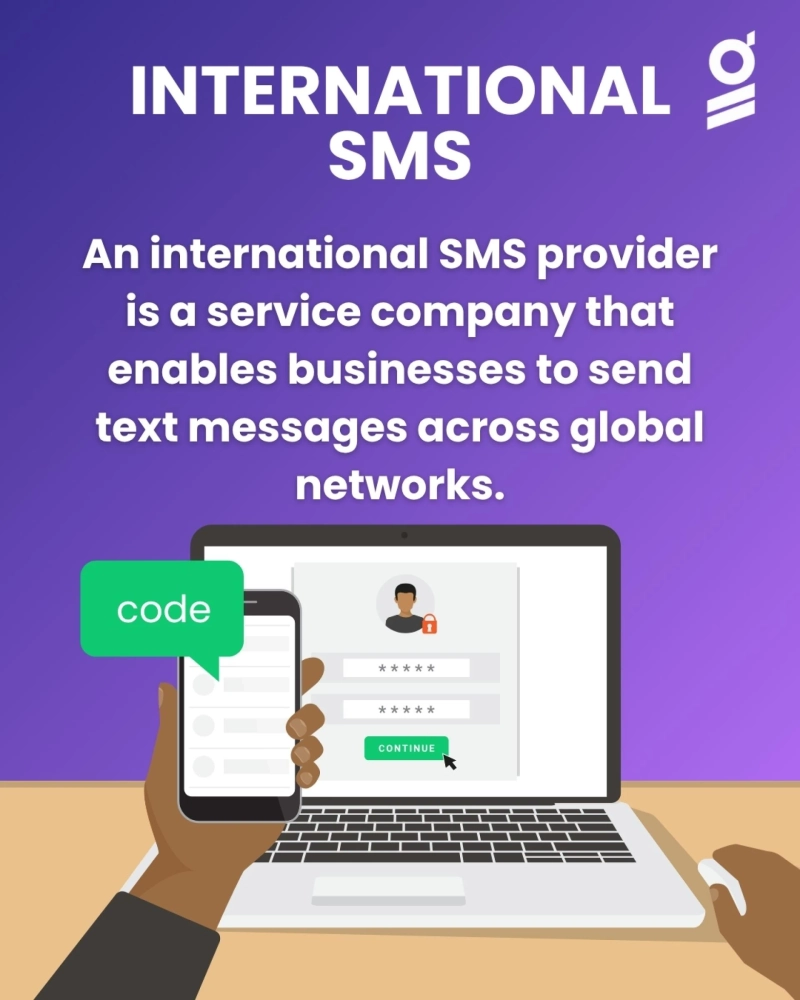
In our interconnected world, businesses and individuals often need to communicate beyond borders. While messaging apps like WhatsApp and Messenger have become popular, International SMS remains one of the most reliable, cost-effective, and far-reaching communication methods. It offers a simple way to send messages to anyone, anywhere in the world—without the need for internet connectivity or app installations.
From banking alerts to marketing campaigns, international SMS plays a critical role in ensuring that important information reaches recipients instantly, regardless of their device type or location.
What is International SMS?
International SMS is the process of sending a short message service (SMS) from one country to a recipient in another. These messages travel across mobile networks using global telecom infrastructure. They are typically used for personal communication, business notifications, authentication codes (OTPs), promotional campaigns, and customer service updates.
Because SMS operates over cellular networks, it doesn’t require data or Wi-Fi. This makes it particularly valuable in areas with limited internet coverage, ensuring consistent message delivery worldwide.
How International SMS Works
While sending a local SMS is straightforward, sending one internationally involves a few additional steps:
- Message Creation – You compose the message on your phone or business messaging platform.
- Routing Through a Provider – For businesses, an SMS gateway or messaging service routes the message to the right carrier in the recipient’s country.
- Delivery by Local Carrier – The local telecom operator delivers the SMS to the recipient’s device.
For business use, most companies rely on bulk SMS providers or international messaging gateways that manage these routing and delivery processes automatically.
Key Benefits of International SMS
Global Reach: SMS works on virtually every mobile phone in the world, from the latest smartphones to basic feature phones.
No Internet Required: Unlike email or instant messaging apps, SMS doesn’t rely on data connectivity, making it accessible in rural or low-coverage regions.
High Open Rates: Studies show that over 90% of SMS messages are read within minutes, making them far more effective than emails for urgent communication.
Reliable and Fast: International SMS is typically delivered within seconds, regardless of distance.
Versatile Applications: It can be used for OTPs, marketing promotions, service alerts, shipping updates, and customer engagement.
Popular Use Cases for International SMS
- Two-Factor Authentication (2FA) – Sending OTPs to verify online transactions or logins.
- Transactional Updates – Banking alerts, booking confirmations, and delivery notifications.
- Marketing Campaigns – Reaching a global audience with offers, discounts, or event reminders.
- Customer Service – Providing support updates or appointment reminders.
- Emergency Alerts – Broadcasting urgent information to people in different countries.
Challenges in International SMS
While powerful, international SMS also has its hurdles:
- Cost Variations – Pricing differs by country and carrier, making bulk campaigns more expensive in some regions.
- Regulatory Compliance – Each country has its own rules for SMS marketing, sender IDs, and data privacy.
- Spam Filters – Some networks block messages that look suspicious or contain certain keywords.
- Time Zone Differences – Businesses need to schedule messages carefully to avoid disturbing recipients at odd hours.
How Businesses Send International SMS Efficiently
For businesses, manually sending international texts is impractical. Instead, they use SMS gateways or bulk messaging platforms that offer:
- Global Carrier Connectivity – Direct connections with telecom operators worldwide for fast delivery.
- Sender ID Customization – Branding messages with a business name instead of a random number.
- Delivery Tracking – Monitoring message status to ensure recipients have received them.
- Automation Tools – Scheduling and triggering messages based on customer actions.
Some popular international SMS providers include Twilio, Infobip, Sinch, and MessageBird.
Best Practices for International SMS Campaigns
- Understand Local Regulations – Research messaging laws in each target country to avoid penalties.
- Optimize Message Length – Keep texts concise to avoid splitting into multiple messages.
- Personalize Messages – Use the recipient’s name and relevant details to increase engagement.
- Schedule Wisely – Send messages at appropriate local times to maximize response rates.
- Track and Analyze – Use delivery and click-through data to improve campaign performance.
The Future of International SMS
With the rise of RCS (Rich Communication Services) and messaging APIs, international SMS is evolving. While RCS offers richer features like images and interactive buttons, SMS will remain relevant for years due to its universal compatibility.
As more businesses expand globally, the demand for fast, reliable, and cost-effective communication will keep international SMS in high demand—especially for mission-critical alerts and authentication.
Conclusion
International SMS may be a decades-old technology, but its reach, reliability, and simplicity make it a powerful tool in the digital era. Whether it’s verifying a customer’s identity, updating them on a delivery, or promoting a global sale, SMS ensures the message gets delivered—no matter where in the world they are.
For businesses aiming to build strong global connections, international SMS is not just an option—it’s an essential part of modern communication strategy.