



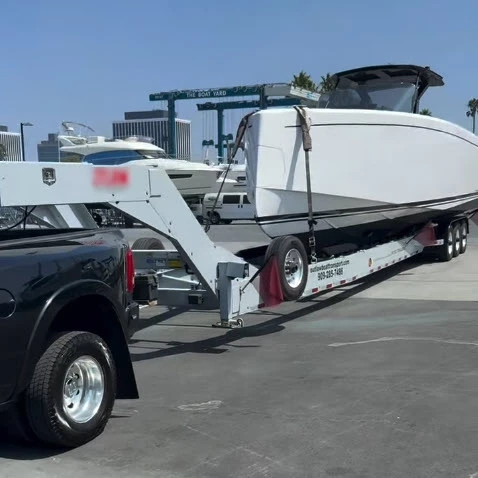
International boat transport is the process of moving boats, yachts, and other watercraft across international borders by sea, land, or air. Whether you are relocating, selling a vessel overseas, or participating in an international regatta, global boat shipping ensures your watercraft arrives safely, efficiently, and cost-effectively.
Shipping a boat abroad requires a combination of technical expertise, detailed planning, proper documentation, and compliance with international maritime regulations. This guide explains how the process works, the available shipping methods, key factors that influence cost, and how to choose a reliable transporter.
Common Methods of International Boat Transport
1. Roll-On/Roll-Off (RoRo) Shipping
RoRo is one of the most popular and affordable options for international boat transport. Your boat is loaded onto a specialized vessel using a rolling platform or trailer.
Advantages:
- Lower cost compared to container shipping
- Ideal for motorboats, fishing boats, and sailboats that can be transported on trailers
- Faster loading and unloading
Best for: Boats that already sit on trailers or can be easily wheeled into the cargo hold.
2. Container Shipping
Container transport involves placing your boat inside a standard shipping container—typically a 20-foot or 40-foot container.
Advantages:
- High level of protection from weather and ocean conditions
- Reduced risk of damage and theft
Best for: Smaller boats that can fit into a container such as jet skis, dinghies, inflatables, and compact fishing boats.
3. Flat Rack Shipping
Flat rack shipping involves securing the boat to an open, rack-like platform placed on a cargo vessel.
Advantages:
- Suitable for larger and wider boats that cannot fit in containers
- Provides strong support during rough sea conditions
Best for: Mid-sized yachts, sailboats, catamarans, and large motorboats.
4. Lift-On/Lift-Off (LoLo) Shipping
LoLo shipping uses cranes to lift the vessel onto and off the cargo ship. It is commonly used for oversized luxury yachts.
Advantages:
- Handles heavier and bulkier vessels
- Provides flexibility in loading and positioning
Best for: Luxury yachts and high-value vessels that require careful handling.
5. Overland and Air Transport
Although less common, overland trucking and air freight may be used for special cases.
- Overland: Suitable for cross-border moves within the same continent.
- Air Freight: Reserved for high-value racing boats or urgent shipments due to high cost.
Key Factors Affecting International Boat Transport Costs
1. Size and Weight of the Vessel
Larger and heavier boats require specialized equipment and occupy more space on shipping vessels, increasing overall cost.
2. Shipping Method
Container shipping tends to be more expensive but offers more protection. RoRo is more economical but may not suit all boat types.
3. Distance and Destination
Longer routes and high-demand ports typically result in higher transport fees. Customs regulations also vary by country.
4. Season and Demand
High-season routes—such as summer relocations—may increase shipping prices due to limited availability.
5. Additional Services
Services such as shrink-wrapping, cradling, marina transfers, and insurance affect the total cost.
Preparing Your Boat for International Transport
1. Clean and Inspect the Vessel
A clean boat helps meet customs and quarantine regulations, especially in countries like Australia and New Zealand.
2. Secure All Loose Items
Remove electronics, personal belongings, and detachable parts to prevent damage during transport.
3. Drain Fuel and Disconnect Batteries
Many shipping companies require fuel tanks to be nearly empty and batteries disconnected to prevent hazards.
4. Document the Vessel’s Condition
Take photos and notes to record the boat's condition before shipment. This ensures clear communication in case of insurance claims.
Choosing a Reliable International Boat Transport Company
Check Experience and Certifications
A professional transporter should have experience handling your specific vessel type and be compliant with international maritime laws.
Review Insurance Coverage
Ensure the provider offers comprehensive marine cargo insurance for maximum protection.
Verify Customer Reviews
Look for testimonials and safety records to assess reliability.
Compare Quotes
Gather at least three detailed quotes that outline services, timelines, and total costs.
Final Thoughts
International boat transport is a complex process that requires expertise, proper planning, and reliable logistics. By choosing an experienced transporter and understanding the various shipping options, you ensure your boat arrives safely and on time—allowing you to enjoy smooth sailing wherever your journey takes you.