



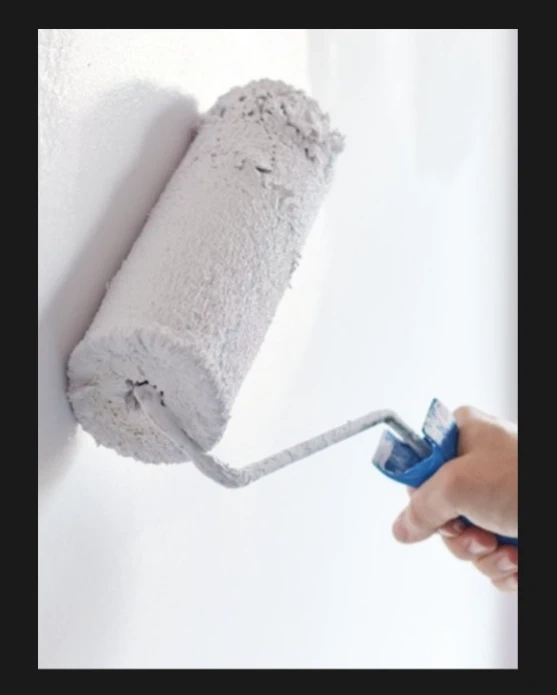
A fresh coat of paint can completely transform the look and feel of your home. Whether you want to refresh outdated rooms, increase property value, or create a more comfortable living environment, interior house painting is one of the most effective and affordable home improvement projects. From choosing the right colors to preparing surfaces and applying professional techniques, painting your interior spaces requires careful planning and attention to detail.
This comprehensive guide will walk you through everything homeowners need to know about interior painting, including preparation, paint selection, techniques, common mistakes, and why working with professionals such as GrandRenovation can make a significant difference in the final result.
Why Interior Painting Is One of the Best Home Improvements
Interior painting is often the first renovation homeowners consider, and for good reason. It delivers immediate visual impact and can dramatically change the atmosphere of a room without requiring structural work.
Key Benefits of Interior Painting
1. Improves Aesthetic Appeal
Fresh paint instantly refreshes living spaces. Whether you prefer modern neutral tones or bold accent colors, paint allows you to personalize every room.
2. Increases Property Value
Homes with well-maintained interiors typically attract more buyers and higher offers. A newly painted interior signals that the property has been properly cared for.
3. Protects Walls and Surfaces
Paint does more than add color. It protects drywall and other surfaces from moisture, dust, and everyday wear and tear.
4. Enhances Mood and Comfort
Color psychology plays a significant role in interior design. Soft blues and greens promote relaxation, while warm tones create a welcoming environment.
5. Cost-Effective Renovation
Compared with other remodeling projects, painting provides one of the highest returns on investment.
Planning Your Interior Painting Project
Before opening a can of paint, planning is essential. A well-prepared project saves time, reduces mistakes, and ensures professional results.
Define Your Goals
Ask yourself what you want to achieve:
- Are you updating outdated colors?
- Preparing the house for sale?
- Creating a modern interior design style?
- Refreshing walls after years of wear?
Your goal will influence color choices, paint types, and the scope of the project.
Choose a Color Scheme
Selecting the right color palette is one of the most important steps in interior painting.
Popular approaches include:
Neutral palettes
Whites, beiges, and light grays remain popular because they make rooms feel larger and brighter.
Accent walls
Adding one bold wall creates visual interest without overwhelming the room.
Monochromatic design
Using variations of the same color adds depth and sophistication.
Contrasting trims and moldings
White trim against darker walls creates a clean, elegant appearance.
When selecting colors, consider lighting conditions, room size, and existing furniture.
Understanding Different Types of Interior Paint
Not all paint is the same. Choosing the correct paint type affects durability, appearance, and maintenance.
Paint Finishes
Flat / Matte Finish
- Smooth appearance
- Hides wall imperfections
- Ideal for bedrooms and ceilings
- Less resistant to stains
Eggshell Finish
- Slightly reflective
- Easy to clean
- Suitable for living rooms and dining rooms
Satin Finish
- Durable and washable
- Great for high-traffic areas like hallways
Semi-Gloss Finish
- Moisture resistant
- Ideal for kitchens, bathrooms, and trim
Gloss Finish
- Highly reflective
- Extremely durable
- Often used on doors and cabinets
Selecting the right finish ensures both aesthetic appeal and long-term durability.
Preparing Your Home for Interior Painting
Preparation is the foundation of any successful painting project. Skipping this step often leads to uneven surfaces, peeling paint, or poor coverage.
Step 1: Clear the Space
Remove furniture, wall decor, and curtains whenever possible. If furniture cannot be moved out of the room, place it in the center and cover it with protective plastic sheets.
Step 2: Protect Floors and Fixtures
Use drop cloths to protect flooring. Painter’s tape should be applied around:
- Baseboards
- Window frames
- Door frames
- Light switches
- Outlets
Step 3: Clean the Walls
Walls accumulate dust, grease, and dirt over time. Cleaning surfaces ensures paint adheres properly.
A mild detergent and water solution usually works well for most interior walls.
Step 4: Repair Imperfections
Before painting, fix any damage such as:
- Nail holes
- Cracks
- Dents
- Peeling paint
Apply spackle or joint compound and sand the surface until smooth.
Step 5: Apply Primer
Primer helps paint adhere better and provides uniform coverage. It is especially important when:
- Painting over dark colors
- Covering stains
- Painting new drywall
- Switching from oil-based to latex paint
Essential Tools for Interior Painting
Having the right tools can dramatically improve painting results.
Basic Painting Tools
- Paint rollers
- Paint brushes
- Paint trays
- Extension poles
- Painter’s tape
- Drop cloths
- Sandpaper
- Putty knife
- Ladder
High-quality brushes and rollers help avoid streaks and ensure even coverage.
Step-by-Step Interior Painting Process
Following a structured process ensures consistent results.
1. Start With Ceilings
Always paint ceilings first to avoid drips on freshly painted walls.
Use a roller with an extension pole to reach large areas.
2. Paint Trim and Edges
Next, paint:
- Baseboards
- Crown molding
- Door frames
- Window frames
Use a small angled brush for precision.
3. Cut In the Edges
Cutting in involves painting the edges of walls where rollers cannot reach. This creates a clean border around ceilings, trims, and corners.
4. Roll the Walls
After cutting in, use a roller to fill the larger wall areas.
Work in sections using a "W" pattern to distribute paint evenly.
5. Apply a Second Coat
Most interior walls require at least two coats for full coverage and consistent color.
Allow the first coat to dry completely before applying the second.
Common Interior Painting Mistakes to Avoid
Even experienced DIY painters sometimes make mistakes that affect the final result.
Skipping Surface Preparation
Poor preparation leads to uneven paint and reduced durability.
Choosing the Wrong Finish
Using matte paint in high-traffic areas can cause staining and frequent repainting.
Using Low-Quality Paint
Cheap paint often requires more coats and fades faster.
Applying Paint Too Thickly
Heavy coats can cause drips, streaks, and longer drying times.
Ignoring Lighting Conditions
Paint colors can look very different depending on natural and artificial lighting.
Always test paint samples on walls before committing to a color.
Interior Painting Room-by-Room Tips
Each room in your home has unique requirements when it comes to painting.
Living Room
Choose welcoming colors such as warm neutrals or soft earth tones.
Accent walls work particularly well in living rooms.
Bedroom
Bedrooms benefit from calming colors like:
- Soft blues
- Pale greens
- Light grays
- Lavender tones
Kitchen
Kitchens require durable, washable paint due to grease and moisture.
Semi-gloss or satin finishes work best.
Bathroom
Bathrooms experience high humidity levels.
Use moisture-resistant paint designed for bathrooms.
Hallways and Entryways
These areas receive heavy traffic. Durable satin or semi-gloss paint helps prevent scuff marks.
Trends in Interior House Painting
Interior design trends continue to evolve, influencing color choices and painting techniques.
Popular Color Trends
- Warm whites
- Earthy greens
- Soft terracotta
- Deep navy blues
- Charcoal gray accents
Two-Tone Walls
Two-tone walls add visual interest by dividing the wall into two colors.
Painted Ceilings
Instead of plain white ceilings, designers now experiment with color to create dramatic effects.
Textured Finishes
Techniques such as limewash and faux finishes create depth and character.
Why Many Homeowners Choose Professional Painters
While DIY painting is possible, professional painters offer advantages that ensure a high-quality finish.
Benefits of Hiring Professionals
Expert Surface Preparation
Professionals know how to repair surfaces properly before painting.
Efficient Project Completion
Experienced painters work quickly without sacrificing quality.
Professional Tools and Equipment
High-quality equipment produces smoother finishes.
Consistent Results
Professionals maintain even coverage and clean lines throughout the project.
Companies like GrandRenovation specialize in residential renovation and provide expert services that ensure beautiful, long-lasting interior paint results.
How to Maintain Freshly Painted Walls
Once your painting project is complete, proper maintenance helps keep walls looking new for years.
Maintenance Tips
- Clean walls regularly with a soft cloth
- Remove stains immediately
- Avoid abrasive cleaning products
- Use touch-up paint for minor scuffs
Proper care can extend the life of your paint job by many years.
Budgeting for an Interior Painting Project
The cost of interior painting depends on several factors.
Factors Affecting Cost
- Size of the home
- Number of rooms
- Wall condition
- Type of paint used
- Labor costs
Although DIY projects may seem cheaper initially, hiring professionals often saves time and ensures higher quality results.
Companies such as GrandRenovation provide reliable estimates and professional workmanship, helping homeowners achieve outstanding results without unexpected expenses.
When Is the Best Time to Paint Interior Walls?
Unlike exterior painting, interior painting can be done year-round. However, certain conditions produce better results.
Ideal Conditions
- Moderate indoor temperature
- Good ventilation
- Low humidity
These conditions allow paint to dry evenly and prevent bubbling or peeling.
Final Thoughts
Interior painting remains one of the most effective ways to refresh and modernize a home. With proper planning, quality materials, and careful preparation, a simple paint project can dramatically improve both the appearance and value of your property.
Whether you plan to paint a single room or your entire house, understanding the basics of color selection, paint types, surface preparation, and application techniques will help ensure professional-looking results.
For homeowners who want flawless finishes and efficient project completion, working with experienced renovation professionals such as GrandRenovation is often the best solution. Their expertise ensures that every stage of the process—from preparation to the final coat—is completed with precision and care.
By investing in interior house painting, you not only enhance the beauty of your home but also create a comfortable living environment that reflects your personal style and lasts for years to come.