



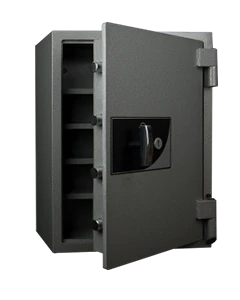
Pharmacy safes are critical security infrastructure for protecting controlled substances, high-value medications, and sensitive pharmaceutical inventory. Proper installation and maintenance ensure regulatory compliance, prevent theft, and safeguard your business from significant financial and legal consequences. This comprehensive guide walks you through the essential steps for installing and maintaining pharmacy safes effectively.
Understanding Pharmacy Safe Requirements
Before installation, familiarize yourself with DEA regulations and state-specific requirements for controlled substance storage. Most jurisdictions mandate that Schedule II narcotics be stored in securely locked, substantially constructed cabinets or safes. Understanding these legal requirements helps you select appropriate safe specifications and avoid compliance violations that could result in penalties or license suspension.
Selecting the Right Location
Location selection significantly impacts your safe's security and functionality. Choose a spot that's easily accessible to authorized personnel but difficult for potential thieves to reach. Avoid placing safes near windows, external walls, or public areas where they might attract attention. The floor should be solid concrete capable of supporting the safe's weight—a fully stocked pharmacy safe can weigh several hundred pounds.
Consider workflow efficiency when positioning your safe. Pharmacy staff should access it conveniently during busy periods without creating bottlenecks or compromising security protocols. Adequate lighting and space for the door to swing fully open are also essential considerations.
Installation Process
Step 1: Prepare the Foundation. Ensure the installation area is level and structurally sound. For floor safes, you may need to excavate and pour concrete footings. Wall safes require identifying wall studs and ensuring adequate support for the safe's weight.
Step 2: Anchor the Safe. Never skip anchoring—an unanchored safe can be removed entirely by determined thieves. Use heavy-duty anchor bolts designed for your safe's weight class. Floor safes should be bolted through pre-drilled holes in the safe's base directly into concrete using expansion bolts or chemical anchors. Wall safes require multiple anchor points into structural supports.
Step 3: Professional Installation. For high-security safes, consider hiring professional installers who understand weight distribution, structural requirements, and security best practices. They possess specialized equipment for maneuvering heavy safes and can ensure proper anchoring that meets insurance requirements.
Step 4: Configure Security Features. Modern pharmacy safes include electronic locks, biometric scanners, and audit trail capabilities. Program authorized user codes, set time-delay functions if required, and configure access logs. Create a master code hierarchy that allows different permission levels for various staff members.
Step 5: Test Functionality. Before loading medications, thoroughly test all locking mechanisms, combination changes, and alarm systems. Verify that door alignment allows smooth operation and secure closure.
Maintenance Best Practices
Regular Inspections: Conduct monthly visual inspections, checking for signs of tampering, damage to hinges or locking mechanisms, and proper door seal. Examine anchor bolts to ensure they remain tight and haven't loosened over time.
Lock Maintenance: Electronic locks require battery replacement according to manufacturer specifications—typically annually. Keep spare batteries on hand to prevent lockouts. For mechanical combination locks, annual professional servicing ensures smooth operation and prevents lock failure.
Cleaning Protocols: Clean safe interiors regularly using appropriate products that won't damage medications or safe components. Avoid harsh chemicals near electronic components. Dust and debris can interfere with locking mechanisms, so keep both interior and exterior surfaces clean.
Access Code Management: Update access codes quarterly and immediately after staff departures. Regularly audit access logs to identify unusual patterns or unauthorized access attempts. Document all code changes in your security protocols.
Environmental Monitoring: Excessive humidity or temperature fluctuations can damage medications and safe electronics. Install humidity monitors inside the safe and consider dehumidifiers for areas with moisture concerns.
Troubleshooting Common Issues
Address problems promptly to maintain security integrity. If the lock malfunctions, contact the manufacturer or a certified safe technician rather than attempting DIY repairs. Keep the manufacturer's emergency contact information readily accessible.
For electronic lock failures, backup mechanical keys should be stored securely off-site. Never tape backup keys near the safe or leave them in easily accessible locations.
Conclusion
Proper pharmacy safe installation and maintenance protect your business, ensure regulatory compliance, and secure controlled substances from theft or diversion. By following these guidelines and establishing routine maintenance schedules, you create a robust security system that serves your pharmacy reliably for years. Remember that safe security is an ongoing commitment requiring attention to detail, regular updates, and adherence to evolving regulatory standards.